
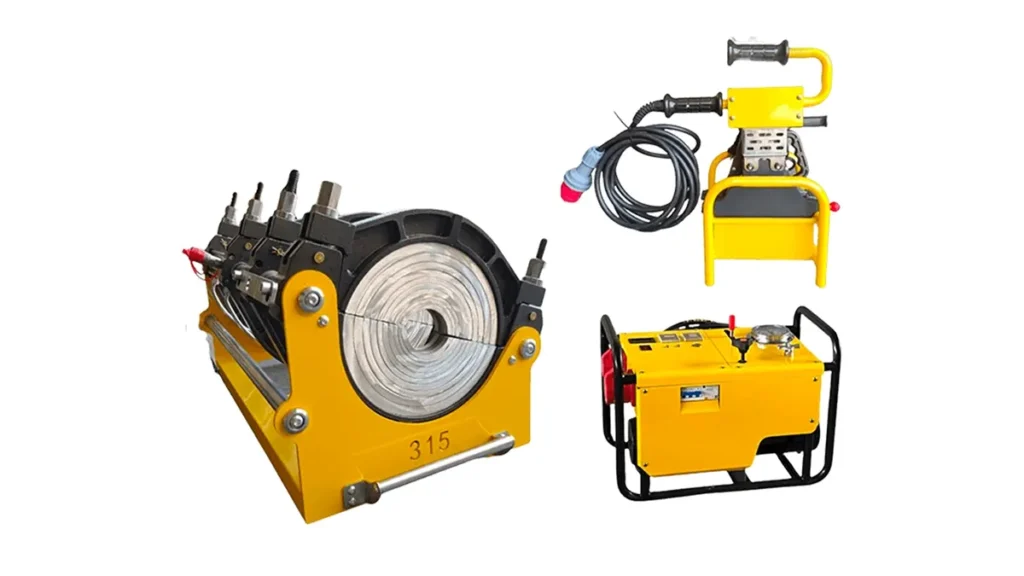
Understanding the structure of a PE pipe welding machine helps contractors, fabricators, and engineers choose the right model and operate it safely and efficiently. This guide explains the main components, their functions, and the step-by-step process behind HDPE butt fusion welding, so you can optimize weld quality and machine uptime.
Key Components of a PE Pipe Welding Machine
The architecture of a butt fusion machine combines mechanical, thermal, and control elements. Below is a concise breakdown of the essential parts and what each does.
| Component | Function | Why It Matters |
|---|---|---|
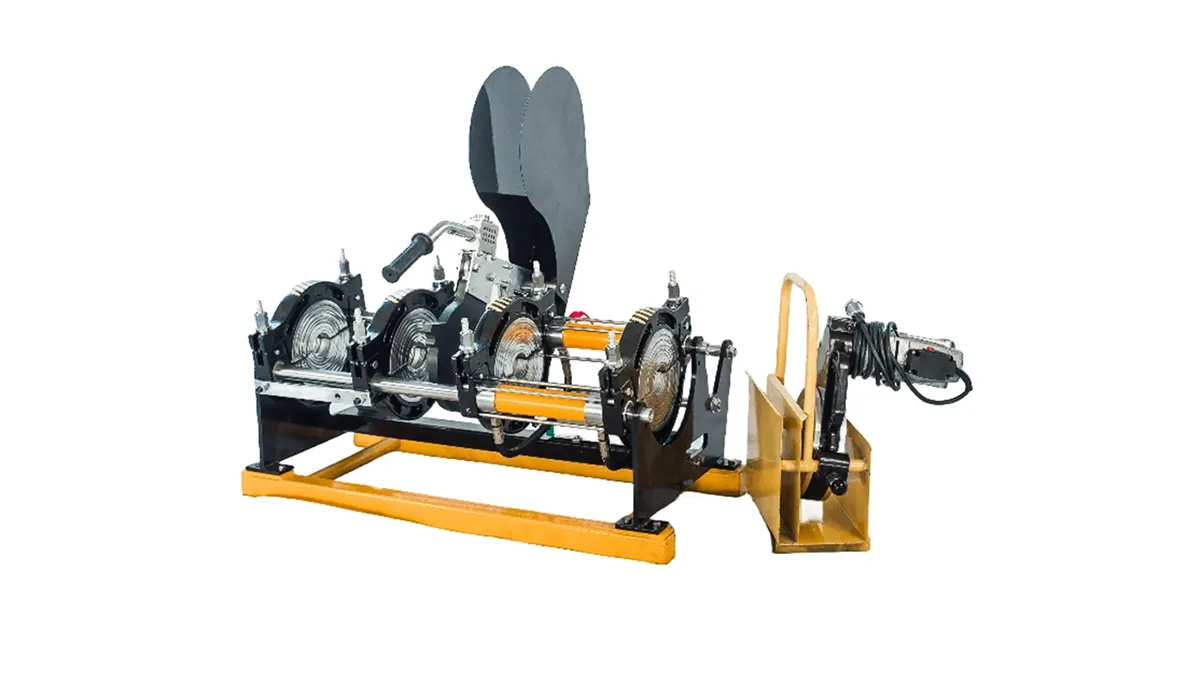
| Clamp / Carriage | Holds and aligns pipe ends; adjustable for diameters. | Accurate alignment prevents cold joints and ensures consistent fusion. |
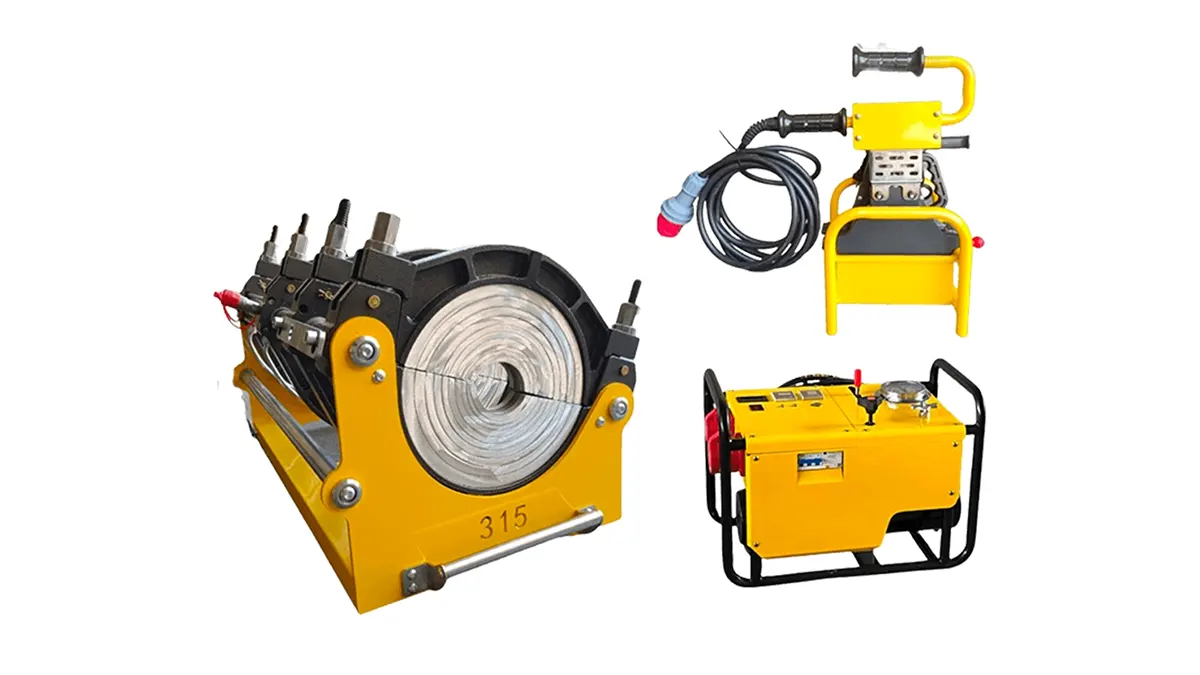
| Hydraulic System / Manual Drive | Provides axial force for facing, heating, and final fusion phases. | Stable pressure control yields repeatable weld strength. |
| Facing Tool (Trimmer) | Prepares pipe ends by removing oxide and making ends square. | Smooth, parallel faces are essential for full-contact fusion. |
| Heating Plate | Heats pipe ends to melt the PE surface to the correct melt layer. | Uniform temperature and surface finish avoid weak spots. |
| Control Unit (CNC / Manual Gauge) | Monitors time, temperature, and pressure; automates welding cycles in advanced models. | Accurate process control improves consistency and auditability of weld records. |
| Temperature Sensor & Thermostat | Ensures heating plate maintains target temperature. | Prevents overheating or underheating—critical for polymer integrity. |
How It Works — Step-by-Step Butt Fusion Process
1. Preparation and Alignment
Clean pipe ends, place pipes in the clamps, and precisely align using the machine carriage. Proper alignment is the foundation of a defect-free weld.
2. Facing
Use the facing tool to trim both ends until they are square and smooth. The facing operation eliminates surface contamination and ensures full contact during fusion.
3. Heating
Bring the heating plate into contact with both pipe ends under light pressure. Maintain the specified temperature and time for the pipe material and diameter. Uniform heating creates a controlled melt layer.
4. Fusion (Joining)
Withdraw the heater and bring the molten faces together under controlled axial force. Hold the pressure throughout the cooling phase according to the material standards to achieve molecular interdiffusion and a strong joint.
5. Cooling and Inspection
Allow the weld to cool under pressure for the required time. After cooling, visually inspect the bead profile and measure key parameters to confirm weld quality.
Operational Tips, Safety, and Best Practices
Operators should follow manufacturer guidelines and local regulations. Key safety and quality measures include wearing PPE, verifying heating plate temperature with a calibrated sensor, and recording weld parameters for traceability. For automated CNC machines, verify the program parameters before each weld.
Common Quality Checks
Measure bead height, ensure no visible gaps, and confirm the cooling time. Pressure gauges and digital controls help maintain reproducibility across long pipeline runs.
Maintenance & Troubleshooting
Regularly inspect clamps, seals, hydraulic hoses, and the heating plate surface. Replace worn facing blades and calibrate temperature sensors periodically. If welds show voids or insufficient bead, check alignment, facing quality, heating plate cleanliness, and temperature accuracy.
Quick Comparison: Manual vs Hydraulic vs CNC Automatic
| Type | Best For | Advantages |
|---|---|---|
| Manual | Small jobs, tight budgets | Simple, low cost, portable |
| Hydraulic | Medium to large diameters | High clamping force, reliable repeatability |
| CNC Automatic | High-volume pipeline projects | Process automation, digital records, minimal operator variation |
Choosing the Right Machine
Select based on pipe diameter range, site mobility, automation needs, and available budget. For infrastructure and industrial pipelines where traceability matters, CNC automatic systems provide process logs and consistent results. For remote or small worksites, manual or hydraulic options balance portability and capability.
JQ-Fusion is a professional manufacturer specializing in HDPE pipe welding machines and provides a range of manual, hydraulic, and CNC automatic butt fusion machines for diverse project needs: https://jq-fusionwelding.com/



