
Choosing the right electrofusion machine for HDPE pipe welding in Somalia means balancing durability, portability and ease of use. This guide highlights the practical features, recommended models, and on-the-ground tips for contractors, NGOs and municipal teams working in Somalia’s hot, dusty and often remote conditions.
Why Electrofusion Is a Smart Choice for Somalia
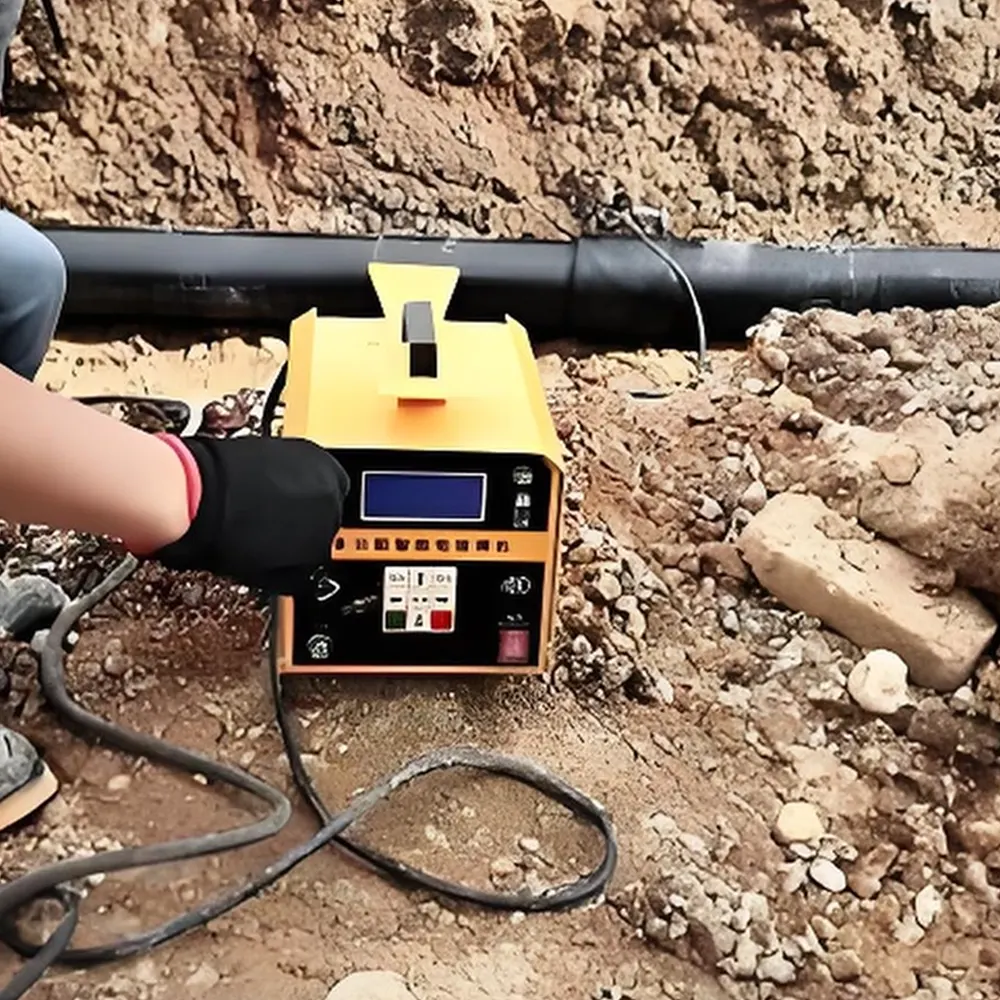
Electrofusion welding provides leak-proof joints that are ideal for water supply, irrigation, sewer and gas distribution projects across Somalia. The method is especially useful where precision, minimal excavation and reliable long-term performance matter — for urban networks in Mogadishu, Beledweyne or for rural borehole and water-trunk installations.
Key Features to Prioritize
Portability: Machines that are lightweight or modular make sense for sites with limited road access. Power flexibility: ability to run from a small generator, inverters or vehicle battery is critical. Robustness: sealed controls and high IP rating resist sand and dust common in Somali environments. Also look for clear display menus and multilingual support when available.
Top JQ-Fusion Electrofusion Options for Somalia
For reliable procurement, consider electrofusion models designed for field durability and easy service. Below is a quick reference that helps match machine capability to common project types in Somalia.
| Model | Pipe Range (mm) | Power | Best Use |
|---|---|---|---|
| JQEA Electrofusion | 20–315 | AC / Generator | Urban water networks, small-diameter mains |
| JQEB Heavy-Duty Electrofusion | 160–630 | AC / Portable generator | Large distribution lines, NGO infrastructure projects |
Field-Proven Tips for Somali Conditions
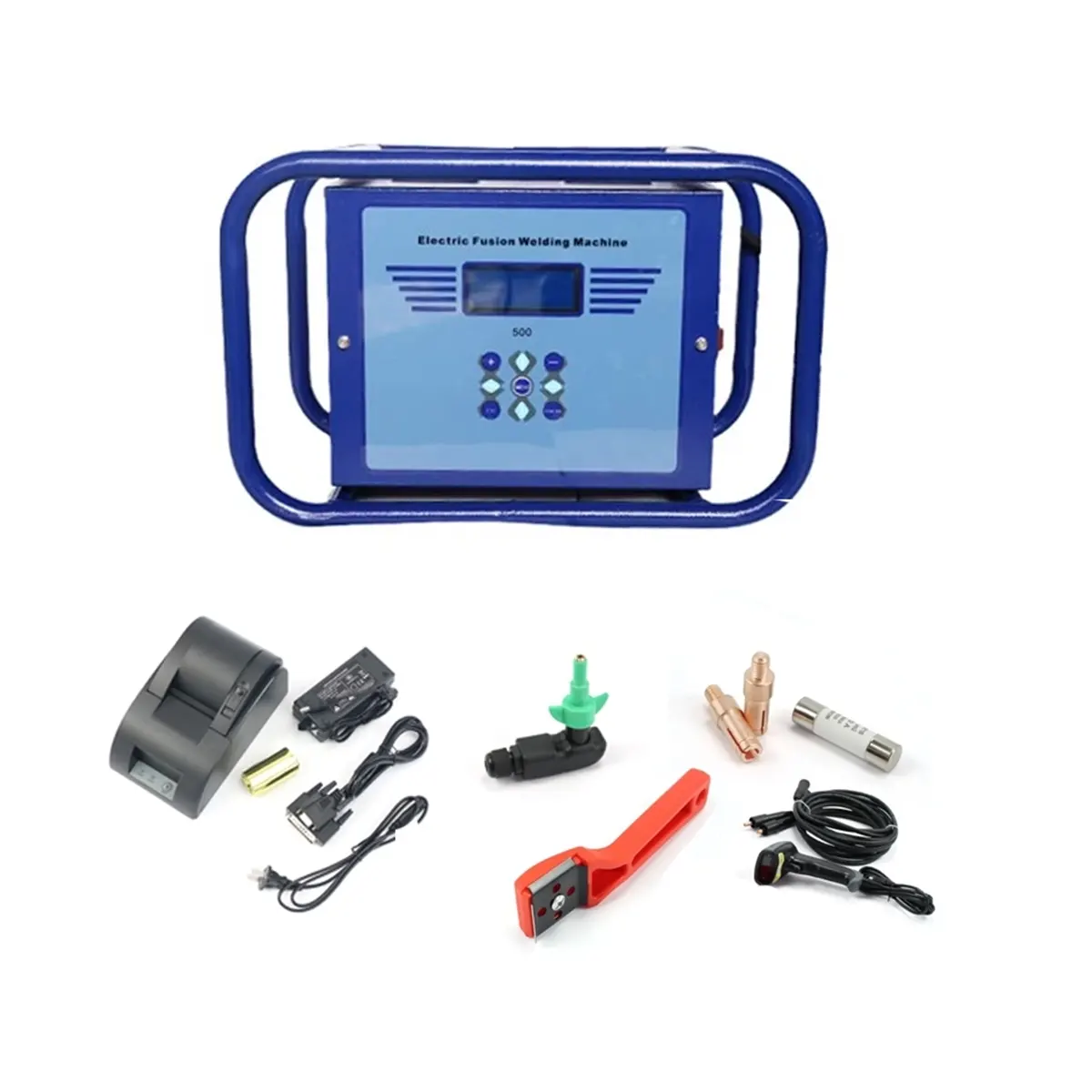
Dust and heat protection: store machines in covered crates between shifts; use dust covers for control panels. Power planning: carry a compact generator and HE inverter or robust battery packs — unpredictable grid access means onsite power resilience is essential. Spare parts: keep consumables (fusion fittings, cables, connectors, fuses) on hand to avoid downtime.
Training & Quality Control
Invest in a short, hands-on training program for local technicians. Simple quality controls such as fusion log records, visual inspection of fusion beads and pull/pressure testing where possible will dramatically increase joint reliability — important for long-term public water projects and donor-funded installations in Somalia.
Procurement and Logistics in Somalia
Import via Mogadishu or Bosaso ports is common; ensure clear documentation and a local customs agent to speed delivery. Choose suppliers who provide remote technical support and fast spare parts shipping. For one reliable source of electrofusion and butt fusion machines, visit JQ-Fusion for model details and availability.
Maintenance Checklist
Daily: wipe dust from connectors, check cable integrity. Weekly: verify calibration, review control logs. Monthly: inspect internal components and test the heating element. Proper maintenance extends machine life and ensures reliable weld quality in harsh environments.
Final Buying Guide — Quick Checklist
– Confirm the pipe diameters you will weld.
– Verify power options and bring a generator if needed.
– Ask about spare-part lead times and local service support.
– Ensure basic operator training is included or scheduled.
Choosing the right electrofusion equipment ensures safer, longer-lasting pipelines across Somalia — from urban water networks to remote community systems.



