
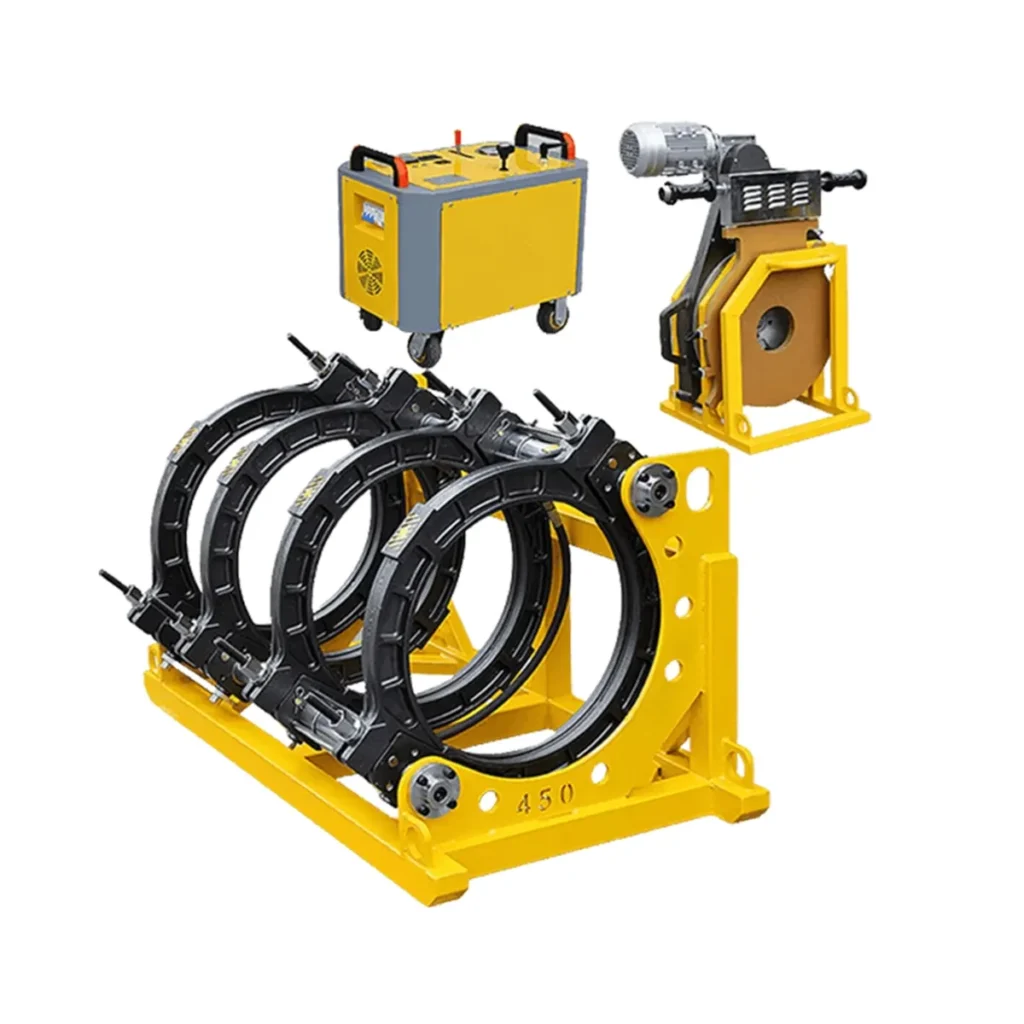
Choosing the best butt fusion welding machine in Mauritius means balancing island logistics, coastal climate durability, and the needs of local contractors working on water supply, irrigation, and infrastructure projects. This guide helps engineers, procurement managers, and contractors in Mauritius pick a machine that delivers reliable HDPE jointing performance, long service life, and cost-effective operation.
Understand Mauritius-specific requirements
Climate & corrosion: High humidity and salt air near the coast accelerate corrosion—choose machines with corrosion-resistant components and sealed electronics.
Project types: Typical applications on the island include potable water networks, agricultural irrigation, drainage, and small-scale industrial piping. Portability for movement between sites and container-friendly packing matter for import logistics.
Workforce & training: Many local crews have solid basic welding skills but may benefit from easy-to-learn controls and on-site training packages. Consider machines with clear process monitoring to reduce rework.
Which type of butt fusion machine fits your project?
| Machine Type | Best for | Pipe Range | Pros / Cons |
|---|---|---|---|
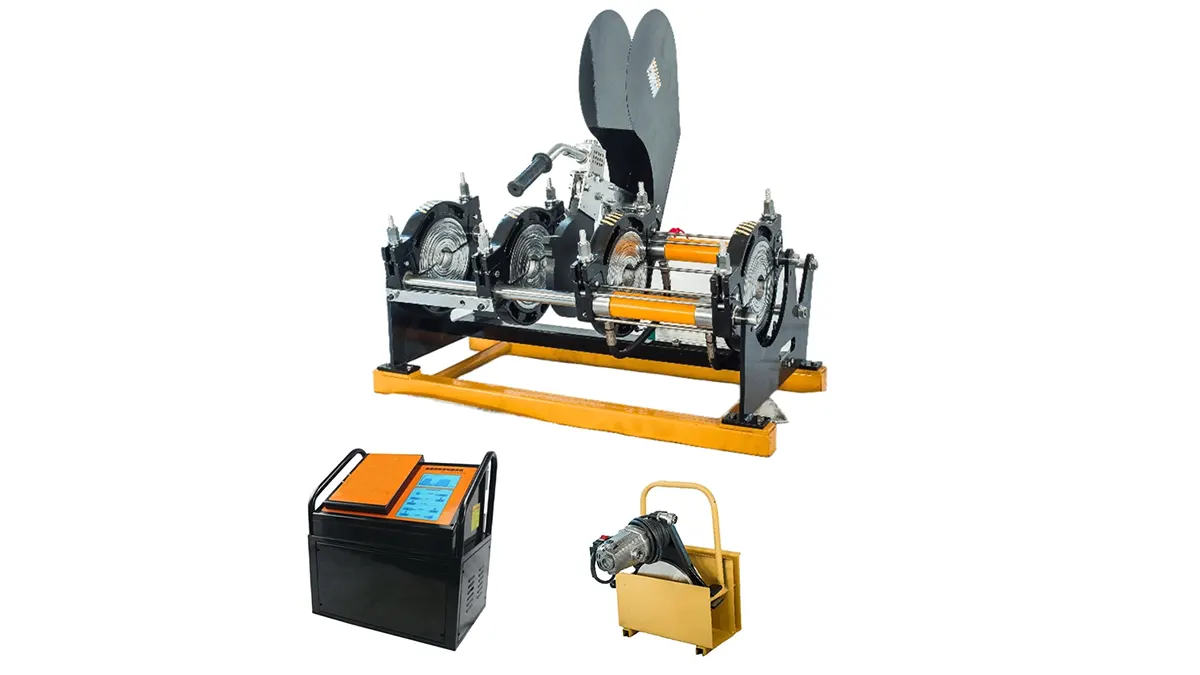
| Manual (Fixed / Portable) | Small crews, tight budgets | 20–315 mm | Pros: Low cost, simple maintenance. Cons: Slower, operator-dependent. |
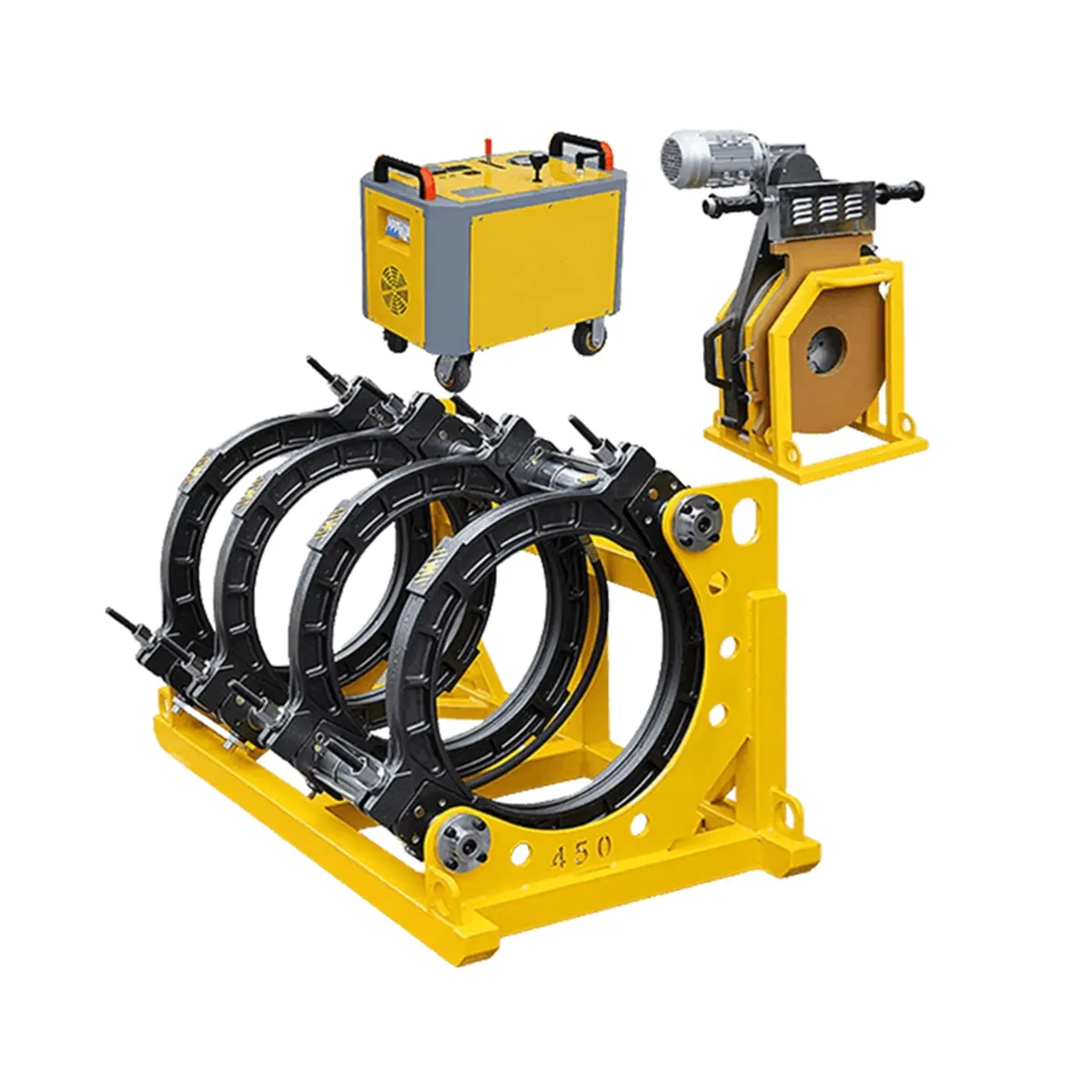
| Hydraulic | Medium to large diameter, frequent site use | 160–2000+ mm | Pros: Robust, consistent pressure control. Cons: Higher investment, needs maintenance. |
| CNC / Automatic | High-volume networks, quality-critical projects | 63–1600 mm (varies) | Pros: Accurate, programmable, digital records. Cons: Costly, needs skilled technicians. |
Key technical features to check
Heating plate quality: Look for mirror-polished, non-stick plates with even temperature distribution to prevent cold or burnt beads.
Clamping system: Aluminum or H-frame options matter for heavy-duty coastal jobs; choose secure clamps to avoid movement during fusion.
Pressure control & gauges: Reliable, easy-to-read pressure gauges and repeatable hydraulic pressure deliver consistent joints—critical for long-lasting pipelines.
Trimmer & facing tools: Integrated, adjustable trimmers reduce prep time and ensure square, clean pipe ends for proper fusion.
Power, portability and site logistics
Power source: Verify voltage compatibility (single/three-phase) and generator readiness at rural sites. For Mauritius, ensure the machine can run with common local generators or mains.
Transport & setup: Lightweight portable machines are ideal for remote fieldwork and small roads. Large hydraulic or CNC machines require planning for crane or truck access and containerized shipping.
Certifications, warranty and after-sales service
Standards: Choose machines compliant with ISO 21307 / EN 12814 (where applicable) and recognized safety standards to protect project quality.
Spare parts & local support: Confirm availability of spare parts, consumables (heaters, clamps), and technical support—fast shipping to Mauritius reduces downtime.
Warranty & training: A clear warranty and an operator training package will protect investment and help local teams master best practices quickly.
Buying checklist for Mauritius projects
• Define pipe diameters and daily weld targets — match machine capacity to project volume.
• Ask for site references — examples of similar island or coastal projects prove durability.
• Validate shipping & customs timelines — account for port handling in Mauritius and any local taxes.
• Request a demo or video of machine in operation — see the cycle times and user interface.
• Confirm training & spare parts delivery commitments — minimize stoppages on remote sites.
About JQ-Fusion: JQ-Fusion is a professional manufacturer specializing in HDPE pipe welding machines, providing reliable butt fusion solutions for global infrastructure projects.
Quick tip: For many Mauritius projects, a mid-range hydraulic unit offers the best balance between portability, durability in coastal environments, and weld quality—especially for municipal water and irrigation works.



