
HDPE pipe welding equipment is the backbone of modern plastic pipeline installation. In water supply, gas distribution, mining, irrigation, and industrial systems, the quality of the weld often determines the quality of the entire pipeline. When the connection is strong, stable, and properly aligned, the pipeline can handle pressure, movement, and long-term service with confidence. When the welding process is poor, even the best pipe materials can fail prematurely.
For contractors, distributors, and project engineers, choosing the right butt fusion machine is not just a purchasing decision; it is a project-performance decision. Different pipe sizes, site conditions, labor skills, and production demands all affect which equipment is the best fit. That is why understanding HDPE pipe welding equipment is essential before selecting a machine for your project.
Important: The “best” welding equipment is not always the most advanced one. The best choice is the one that matches your pipe diameter range, project scale, operator experience, and budget while still delivering reliable weld quality.
What Is HDPE Pipe Welding Equipment?
HDPE pipe welding equipment refers to the machines and tools used to join high-density polyethylene pipes and fittings into a continuous pipeline. These systems heat the pipe ends or fitting surfaces, apply pressure, and create a molecular bond after cooling. The result is a joint that can be extremely strong and leak-resistant when the process is performed correctly.
The most common welding methods for HDPE are butt fusion and electrofusion. Butt fusion is widely used for straight pipe-to-pipe connections and large-diameter projects. Electrofusion is often chosen for repair work, branch connections, and areas where space is limited. Each method requires specific equipment and different levels of operator control.
Tip: If your project involves long pipeline runs, larger diameters, or repetitive field welding, butt fusion equipment is usually the first category to evaluate.
Main Types of HDPE Pipe Welding Equipment
Choosing the right machine starts with understanding the available equipment types. In most projects, the selection falls into three main categories: manual, hydraulic, and CNC automatic systems. Each one has different strengths, price levels, and application scenarios.
1. Manual Butt Fusion Welding Machines
Manual machines are typically used for smaller pipe sizes and simpler project requirements. They are cost-effective, easy to operate, and suitable for teams that need a practical solution without complex automation. Because the operator controls more of the process, these machines are often selected for lighter-duty work, small contractors, and basic installations.
Best for: small-diameter pipes, low-volume projects, budget-conscious users, and training environments.
Main advantage: simple structure, lower investment, easier maintenance.
Limitation: higher dependence on operator skill and less consistency on large or high-pressure jobs.
2. Hydraulic Butt Fusion Welding Machines
Hydraulic models are the most widely used solution in professional pipeline construction. They provide controlled pressure, stable clamping, and better alignment than manual machines. This makes them suitable for medium to large projects where weld consistency matters. Many contractors prefer hydraulic machines because they balance performance, reliability, and cost.
JQ-Fusion’s product range includes hydraulic solutions designed for global pipeline projects. Learn more about the company’s manufacturing capabilities at JQ-Fusion official website, where you can explore equipment built for water supply, gas distribution, mining, and industrial pipeline use.
Why many contractors choose hydraulic machines: they reduce manual error, improve pressure stability, and support a much wider range of pipe diameters than basic systems.
3. CNC Automatic Butt Fusion Welding Machines
CNC automatic machines are designed for projects that demand high precision, repeatability, and advanced control. These systems automate much of the welding cycle, helping ensure consistent heating, fusion, and cooling parameters. For large infrastructure jobs or quality-sensitive installations, CNC systems can greatly improve process control and reduce variation between welds.
They are especially valuable when project documentation, traceability, and standardized output are important. While the initial cost is higher, the long-term benefit often comes from fewer errors, less rework, and faster production consistency.
Best for: major infrastructure projects, high-volume welding, and users who require advanced process control.
4. Electrofusion Welding Machines
Electrofusion machines are used with special fittings containing embedded heating coils. When current passes through the fitting, the internal surface melts and bonds to the pipe. This method is useful for branch connections, repairs, and confined work areas where butt fusion may not be practical.
Electrofusion is not a replacement for butt fusion in every case, but it is an important part of a complete HDPE welding toolkit. Many pipeline contractors keep both systems available to handle different installation conditions.
How Butt Fusion Works in Real Projects
Butt fusion is a straightforward process in concept, but it depends on precise execution. The pipe ends are first aligned and trimmed, then heated using a hot plate. Once the material reaches the proper fusion temperature, the heating plate is removed and the ends are pressed together under controlled pressure. After a cooling period, the joint becomes a single continuous piece of pipe.
The success of the weld depends on several factors: temperature accuracy, pipe end preparation, alignment, pressure stability, and cooling time. Even small errors can affect joint strength, especially in high-demand systems. That is why equipment quality matters as much as operator experience.
Key point: A good welding machine does not just “join pipe.” It helps create repeatable, dependable joints that support the performance of the full pipeline network.
Which Type Is Best for Your Project?
The best equipment depends on what you are building. For small, simple installations, a manual machine may be enough. For most commercial and industrial applications, hydraulic butt fusion equipment is often the most practical choice. For large projects that require strict consistency, CNC automatic systems can provide the highest level of control.
Here is a simple way to think about it:
- Manual: best when budget and simplicity matter most.
- Hydraulic: best when you need balance, durability, and broader pipe size coverage.
- CNC automatic: best when precision, traceability, and productivity are top priorities.
- Electrofusion: best when working in tight spaces or on specific fitting applications.
For many contractors, the most common answer is hydraulic. It offers a strong combination of usability and performance, especially for water and gas systems. For suppliers and distributors, hydraulic machines are also attractive because they cover a broad market segment and can serve many different end users.
JQ-Fusion supports these needs with a wide product range that includes hydraulic butt fusion welding machine, automatic butt fusion welding machine, and electrofusion welding machine options for different project requirements.
What to Look for Before Buying
A welding machine should be evaluated based on real project needs, not just specification sheets. Before buying, consider pipe diameter range, power supply, site conditions, operator skill, and production schedule. A machine that looks suitable on paper may not be practical on a remote jobsite or in a high-output installation environment.
Checklist before purchase: verify pipe size compatibility, heating plate performance, clamp alignment, hydraulic stability, spare part availability, and after-sales support.
For global contractors, supplier support is just as important as machine performance. A reliable partner should offer technical guidance, customization options, fast shipping, and professional service. This is one reason why manufacturers with strong OEM and ODM ability often stand out in international markets.
Why JQ-Fusion Is a Strong Choice
JQ-Fusion is a professional manufacturer focused on HDPE pipe welding machines and butt fusion solutions. With more than 20 years of industry experience, the company serves pipeline projects worldwide and provides equipment for water supply systems, gas distribution networks, mining projects, and industrial installations.
The company’s strengths include advanced manufacturing technology, strict quality control, flexible customization, and reliable global support. Each machine undergoes testing for temperature accuracy, hydraulic pressure stability, and clamp alignment before delivery. This helps ensure stable performance on site and reduces the risk of welding problems during installation.
JQ-Fusion also supports customized configurations, including machine size, voltage, branding, color, and project-specific features. For distributors and contractors building their own market presence, this flexibility can be a major advantage.
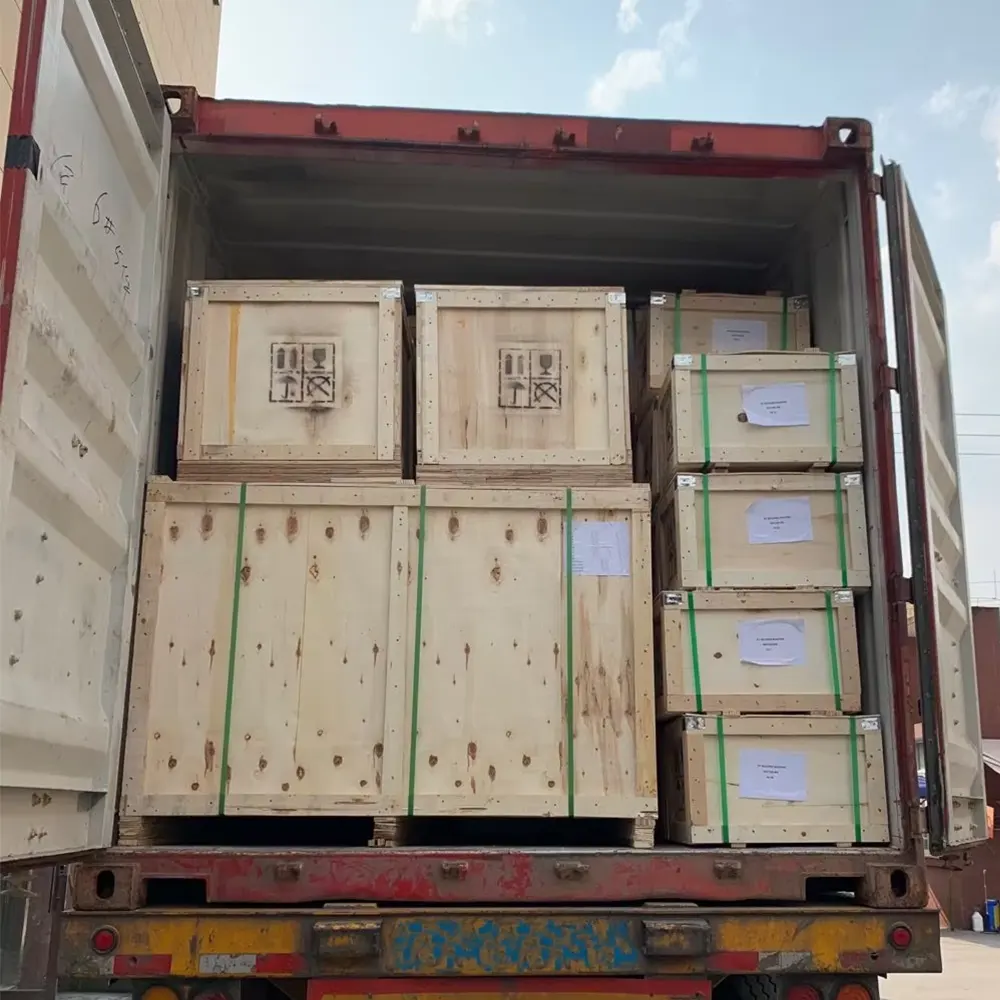
Another important benefit: the factory maintains inventory for fast delivery, which is useful for urgent project timelines and bulk orders.
Common Applications of HDPE Pipe Welding Equipment
HDPE welding equipment is used in a wide variety of industries because polyethylene pipelines are corrosion-resistant, lightweight, and durable. Common applications include potable water lines, gas networks, sewage systems, industrial fluid transport, mining slurry pipelines, and agricultural irrigation systems.
Each application has its own demands. Water systems may prioritize hygiene and reliability. Gas systems require safety and pressure integrity. Mining and industrial jobs often demand rugged equipment and long service life. The right machine helps match those requirements without overcomplicating the workflow.
In practice: the more demanding the project, the more important equipment stability and quality control become.
FAQ
Q1: Is butt fusion better than electrofusion?
It depends on the application. Butt fusion is usually better for long straight runs and larger pipe sizes, while electrofusion is ideal for branch connections, repairs, and confined spaces.
Q2: What is the most common HDPE pipe welding machine for contractors?
Hydraulic butt fusion machines are often the most common choice because they provide a strong balance of cost, stability, and pipe size coverage.
Q3: Can one machine handle every project?
Usually not. Different projects require different pipe ranges, power setups, and welding methods, so many companies choose more than one type of machine.
Q4: Why is machine quality so important in HDPE welding?
Because the weld determines the integrity of the pipeline. Good equipment improves alignment, temperature control, and pressure stability, which directly affects joint strength.
Q5: What should I prioritize when choosing a supplier?
Look for product quality, technical support, customization capability, delivery speed, and proven experience in international pipeline projects.
Final takeaway: The best HDPE pipe welding equipment is the one that fits your project scale, pipe sizes, and performance expectations. For many users, a hydraulic butt fusion machine offers the best overall value, while CNC automatic systems are ideal for high-precision work and manual machines suit smaller jobs. Choosing wisely means better weld quality, fewer delays, and stronger long-term pipeline performance.



