
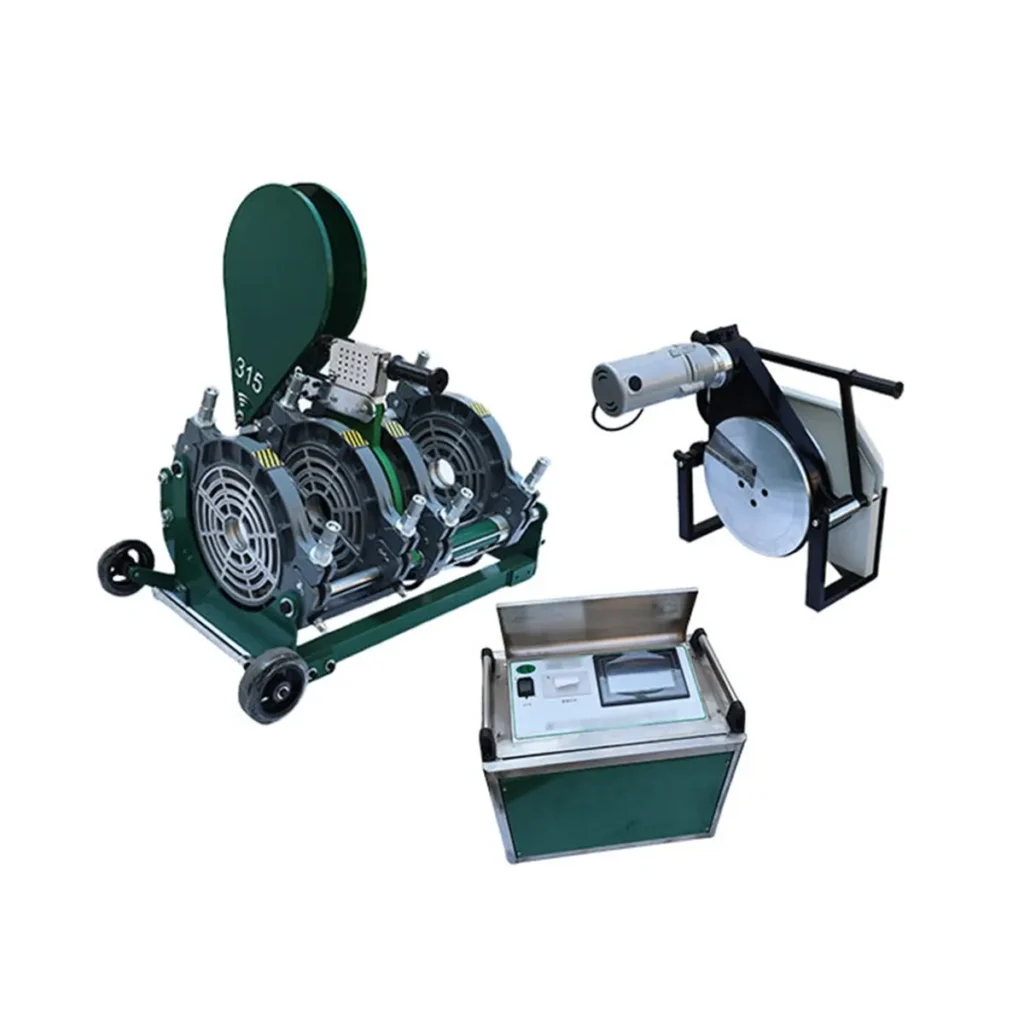
Plastic pipe welders are essential tools for joining thermoplastic pipes like HDPE, PP, and PVC. Whether you’re building water distribution networks, gas pipelines, or industrial process lines, understanding what a plastic pipe welder does and how it operates helps you choose the right equipment and ensure reliable, leak-free joints.
What Is a Plastic Pipe Welder?
Plastic pipe welders are machines designed to fuse the ends of plastic pipes together using heat and pressure. The process creates a molecular bond that, when done correctly, is as strong as the pipe itself. There are several types of welders used across construction and infrastructure projects, each tailored to specific pipe materials, sizes, and jobsite conditions.
Common Types of Plastic Pipe Welders
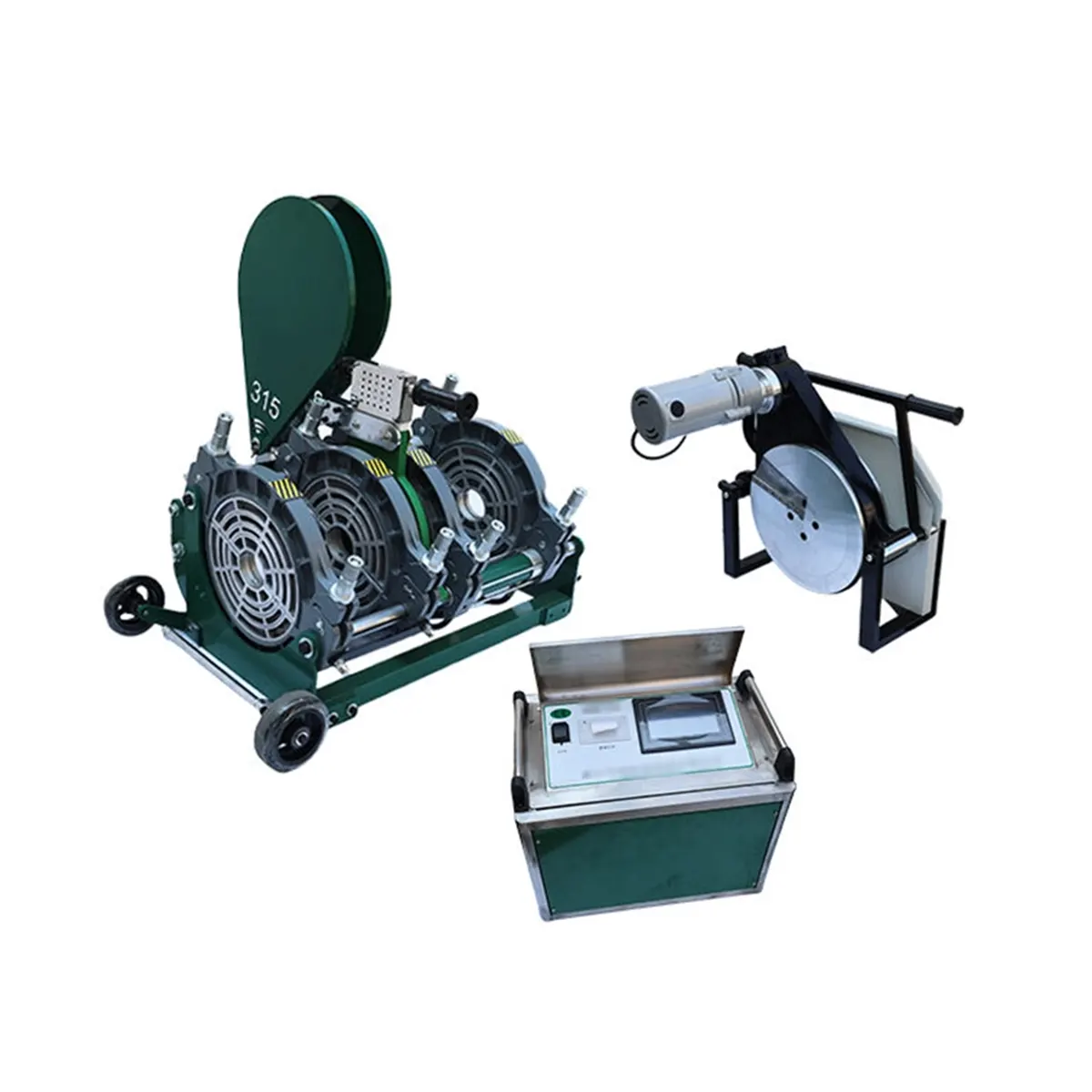
- Butt fusion machines – Align and heat pipe ends before pressing them together. Available as manual, hydraulic, and fully automatic units for pipes from small diameters to large-diameter mains.
- Electrofusion units – Use specialized fittings with embedded heating elements. A controlled electric current melts the fitting and pipe for localised joints.
- Socket fusion tools – Common for smaller-diameter pipes; a heated socket melts the outside of a pipe and the inside of a fitting for insertion and cooling.
- Infrared or hot-plate welders – Used for some plastics and special fittings where controlled surface heating is required.
How a Butt Fusion Welder Works (Step-by-Step)
The butt fusion method is the industry standard for HDPE and many PE systems. The basic sequence is:
- Preparation: Clean and square-cut both pipe ends. Clamp them in a facing tool to ensure alignment.
- Facing: Use a precision trimmer to remove damaged material and create smooth, parallel faces.
- Heating: Bring a hot plate (or heating element) between the pipe ends to heat their surfaces until molten.
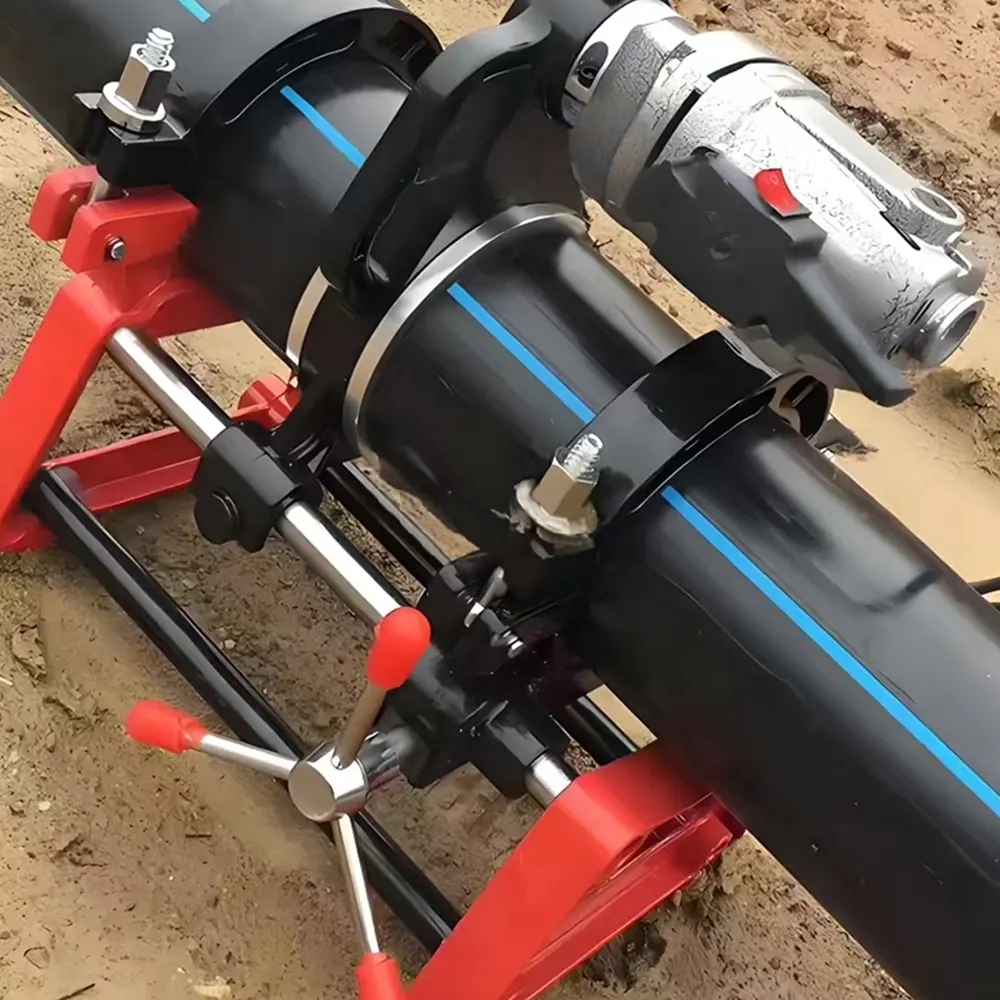
- Alignment and Fusion: Remove the hot plate and immediately press the molten faces together under controlled pressure.
- Cooling: Maintain alignment and pressure while the joint cools and solidifies into a homogeneous bond.
Key Parameters That Define Weld Quality
Successful fusion depends on precise control of:
- Heating temperature — must match material specifications to avoid under- or over-melting.
- Pressure — correct force during fusion ensures intimate molecular contact.
- Alignment and facing accuracy — misaligned pipes create weak spots and flow disruptions.
- Cooling time — premature handling can compromise joint strength.
Quick Comparison: Welder Types & Typical Uses
| Welder Type | Pipe Range | Best For |
|---|---|---|
| Manual Butt Fusion | 20mm – 400mm | Local repairs, small pipelines |
| Hydraulic Butt Fusion | 90mm – 1600mm+ | Large-diameter mains, high-volume projects |
| Automatic Butt Fusion | 63mm – 1200mm | Repeatable production welds, contractors |
| Electrofusion | 20mm – 1600mm (fittings vary) | Service connections, fittings, controlled joints |
Choosing the Right Welder
Consider the following when selecting equipment:
- Project scale: Large pipeline projects often require hydraulic or automatic butt fusion machines for efficiency and consistency.
- Pipe material and SDR: Weld parameters change with material type and wall thickness.
- Site conditions: Portability matters for remote or trench installations.
- Operator skill: Manual machines need trained technicians; automatic units reduce operator variability.
Maintenance & Safety Tips
Regular inspection and maintenance extend machine life and safeguard weld quality. Keep these points in mind:
- Calibrate temperature controls and pressure gauges periodically.
- Keep heating plates and trimming tools clean and undamaged.
- Follow PPE guidelines—gloves, eye protection, and safe handling procedures.
- Use manufacturer-recommended parts and service intervals for consistent results.
When to Use Electrofusion vs Butt Fusion
Electrofusion is ideal for connecting fittings, tapping into mains, or when working in constrained areas where aligning pipes for butt fusion is difficult. Butt fusion is preferred for long runs and mainline joints because it creates continuous, full-diameter joints with excellent hydraulic and mechanical performance.
Why Industry Professionals Choose Reliable Manufacturers
Selecting equipment from reputable manufacturers ensures accurate controls, robust construction, and after-sales support. For example, JQ-Fusion offers a range of manual, hydraulic, and CNC automatic butt fusion machines that cover a wide array of pipe sizes and construction demands.
Final Considerations
Understanding the function and operation of plastic pipe welders helps you pick the right machine, train operators effectively, and maintain weld quality on every project. Whether you need portable manual units for repairs or heavy-duty hydraulic systems for mains installation, matching the welder type to your application ensures safe, long-lasting pipe systems.



