
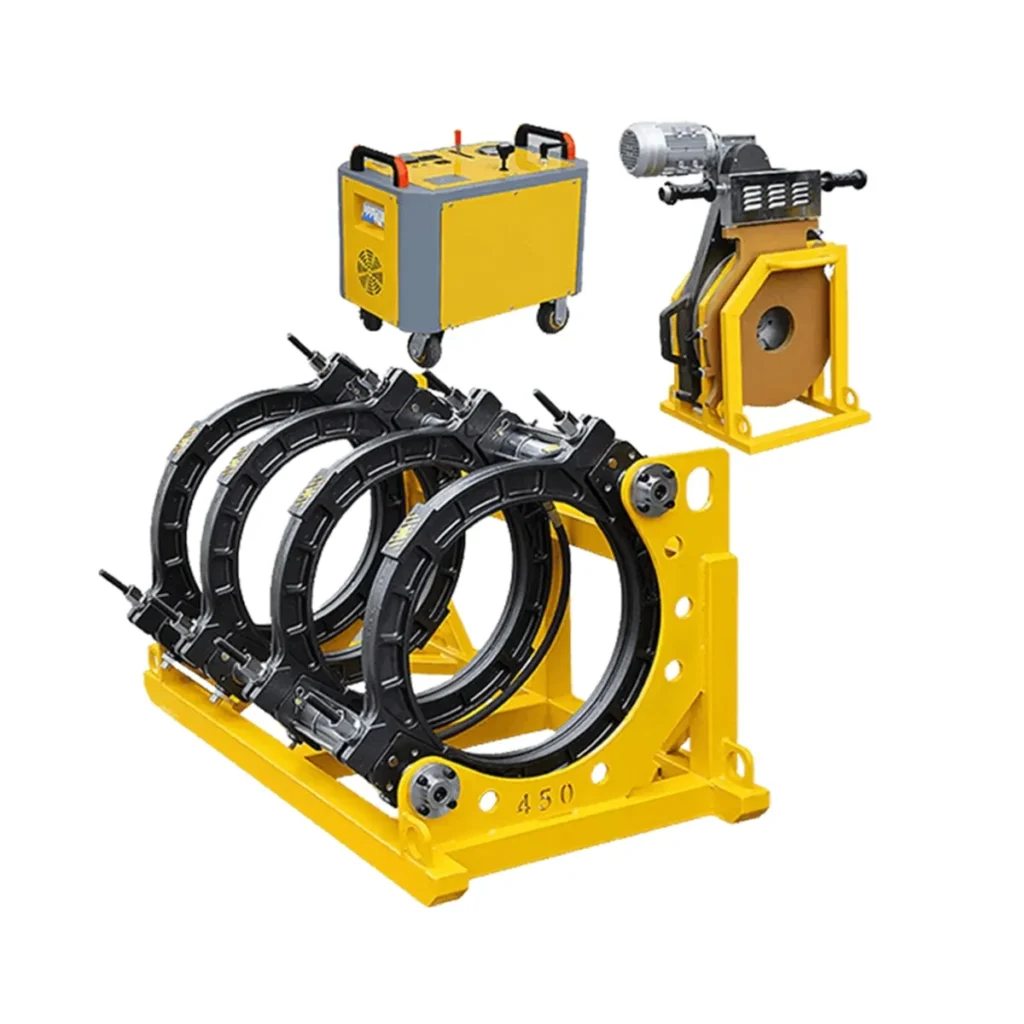
Choosing the right gas pipe welding machine manufacturer directly affects the safety, efficiency, and lifetime of your pipeline project. Whether you’re working on municipal gas distribution, industrial networks, or utility upgrades, this guide walks you through the practical criteria for selecting a supplier who delivers reliable HDPE butt-fusion and electrofusion solutions.
Understand the Machine Types and Applications
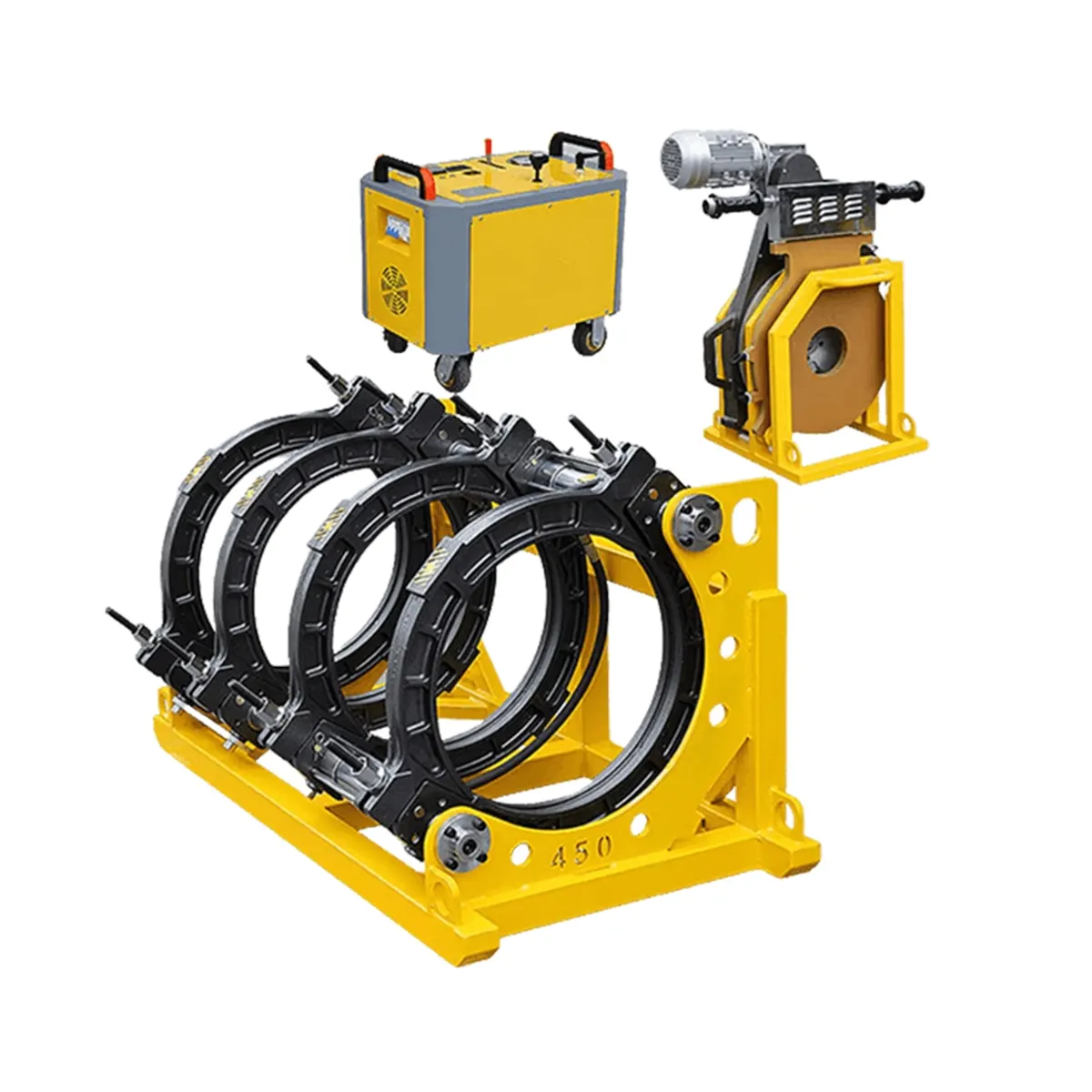
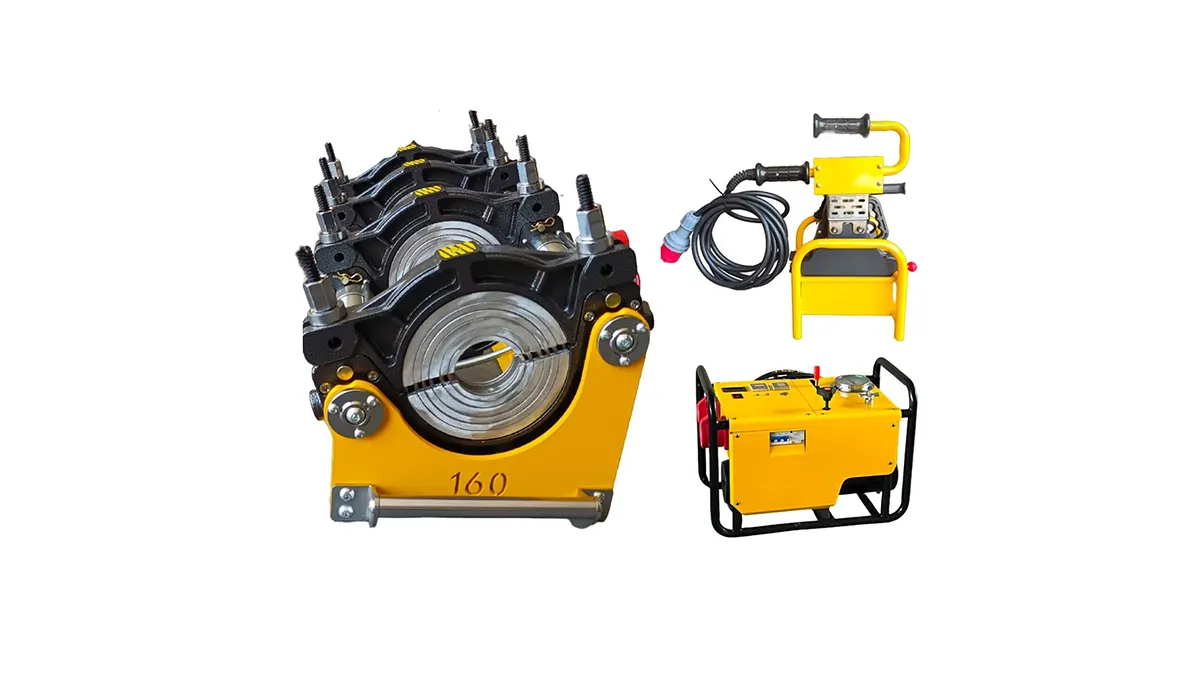
Know what you need before contacting suppliers: manual, hydraulic, and CNC automatic butt fusion machines serve different project scales. Manual units are cost-effective for small repairs and short runs; hydraulic machines are ideal for construction sites handling medium to large diameters; automatic/CNC models suit high-volume, precision welding for long pipeline segments.
Key Use Cases
Match machine choice to pipe material and diameter, site conditions, and workforce skill level. For gas pipelines, consistent fusion quality and traceable weld records are essential to meet safety codes and minimize leak risk.
Critical Supplier Evaluation Criteria
1. Certification & Quality Control
Verify international standards (ISO, CE) and documented QC processes. Certified calibration of heaters, pressure systems, and control modules helps ensure predictable weld strength and compliance with gas industry requirements.
2. Product Range & Customization
A good manufacturer should offer a broad range of models for different diameters and environments, plus customization options like aluminum clamps, multi-angle fittings machines, or integrated data logging to suit your project specs.
3. After-Sales Support & Spare Parts
Fast access to replacement heaters, trimming tools, and hydraulic components minimizes downtime. Confirm warranty terms, local service partners, and remote troubleshooting capabilities.
4. Training & Documentation
On-site or virtual operator training and clear welding procedure specifications (WPS) ensure proper use and repeatable, qualified welds—critical when working on gas distribution systems.
Compare Machine Features: Quick Reference
| Machine Type | Best For | Advantages |
|---|---|---|
| Manual Butt Fusion | Small repairs, remote sites | Low cost, simple maintenance |
| Hydraulic Butt Fusion | Construction, medium-large pipelines | Stable force control, higher repeatability |
| Automatic / CNC | High-volume or precision welding | Data logging, consistent welds, reduced operator error |
Questions to Ask Any Potential Supplier
• What test data and certificates accompany the machines? Request tensile and shear test reports or third-party validation for critical models. • How do you handle training and certification for operators? Ask whether the supplier offers S.O.P. and WPS templates for gas pipeline work. • What are lead times, shipping options, and packaging precautions for overseas deliveries?
Total Cost of Ownership
Beyond purchase price, factor in spare parts, consumables (heaters, PTFE sheets), maintenance labor, shipping, and downtime risk. A slightly higher upfront investment in a robust hydraulic or CNC model can lower lifecycle cost in large projects.
Red Flags to Watch For
Unclear warranty terms, absent test documentation, or no local support network. Also be cautious of suppliers with inconsistent delivery times or limited spare part availability—critical issues for gas network projects where downtime has high cost and safety implications.
Final Checklist Before You Buy
Ensure the supplier provides: certified testing records, clear WPS documentation, accessible spare parts, operator training, and documented service support. Verify machine compatibility with your pipe material and expected weld throughput.
A Trusted Manufacturer Example
For projects demanding reliable butt fusion equipment and global service options, consider contacting JQ-Fusion for model options, factory capabilities, and after-sales plans tailored to gas pipeline work.



