
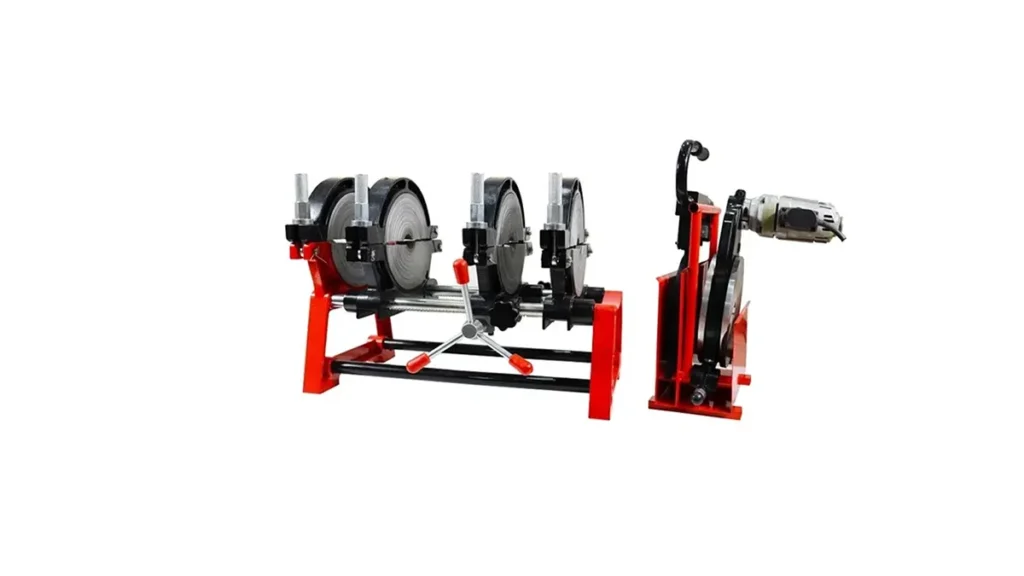
Pipe welding is one of the most demanding operations in modern pipeline construction, and even a small mistake can affect the strength, alignment, and long-term reliability of the joint. Whether the project involves water supply, gas distribution, mining, or industrial piping, pressure control remains one of the most critical factors in achieving a sound weld. In butt fusion welding, pressure is not simply a machine setting; it is a direct influence on bead formation, fusion quality, and final joint performance. When pressure is too high, too low, or inconsistent, the result can be weak welds, poor alignment, or unnecessary repair work. Understanding the most common pressure errors in pipe welding helps operators reduce defects, improve safety, and deliver more consistent results across every project.
Key idea: pressure errors are not only caused by machine settings. They often come from preparation issues, poor operator judgment, worn equipment, or unstable site conditions. Identifying the real source is the fastest way to improve weld quality.
1. Using Excessive Fusion Pressure
One of the most common mistakes is applying too much pressure during the fusion cycle. Some operators assume that higher pressure will create a stronger joint, but in pipe welding this is usually the opposite of what happens. Excessive pressure can squeeze molten material out of the joint area too aggressively, reducing the effective fusion interface. It may also create an oversized bead, distort the pipe ends, or force material into the wrong position. In severe cases, too much pressure can cause internal stress that weakens the weld over time.
Tip: the correct fusion pressure should always follow the machine specification and pipe material requirements, not guesswork or “more is better” logic.
2. Applying Insufficient Pressure
Just as excessive pressure can damage the weld, insufficient pressure creates another serious risk. When the pressure is too low, the pipe ends may not fuse properly, leaving gaps or weak molecular bonding between the surfaces. The joint can look acceptable on the outside while still lacking enough internal strength. This is especially dangerous in systems that carry gas or high-pressure fluids, where a weak fusion line may lead to leakage or failure under load.
Low pressure is often linked to poor machine calibration, operator uncertainty, or incorrect interpretation of the welding procedure. It can also happen when the equipment is not maintaining stable hydraulic force. For projects that demand precision, using a reliable butt fusion machine with consistent pressure control is essential.
3. Ignoring Drag Pressure
Drag pressure is frequently overlooked, especially by less experienced welders. It refers to the pressure needed to overcome the friction in the machine and move the pipe components smoothly. If drag pressure is not measured correctly, the actual fusion pressure applied to the pipe can be far from the intended value. This leads to inaccurate welding conditions and inconsistent bead formation.
Why it matters: drag pressure errors can make a perfectly programmed welding cycle behave like a faulty one. Always confirm the true working pressure after subtracting machine resistance.
4. Failing to Maintain Stable Pressure During the Weld
A common problem in field welding is unstable pressure during the fusion cycle. Pressure may fluctuate because of hydraulic issues, operator error, power interruptions, or poorly maintained components. Even small variations can disrupt the heating and cooling process, causing uneven fusion across the joint.
Stable pressure is particularly important in large-diameter projects and long pipeline installations, where joint consistency directly affects project safety. Manufacturers with strict quality control and precision equipment, such as JQ-Fusion, place strong emphasis on temperature accuracy, hydraulic pressure stability, and clamp alignment inspection to reduce this kind of defect.
Reminder: a pressure reading that changes during the weld is not a small issue. It should be treated as a quality risk and corrected before continuing production.
5. Not Matching Pressure to Pipe Diameter and Material
Different pipe sizes and materials require different welding conditions. A pressure setting that works well for a small pipe may be completely wrong for a larger diameter or a different wall thickness. Material type also matters, because HDPE and other thermoplastics respond differently to heat and force. If the pressure is not adjusted correctly, the weld can become too thin, too thick, or poorly fused.
This is why operators should never rely on one universal pressure setting. Proper pipe preparation, machine configuration, and project-specific adjustment are necessary for strong and repeatable results. In global projects where pipe dimensions vary widely, customized solutions from experienced suppliers can make a major difference.
6. Poor Calibration of the Welding Machine
Even when operators understand the correct pressure values, an uncalibrated machine can still produce wrong results. Pressure gauges, hydraulic systems, and control units all need to function accurately. If a gauge reads incorrectly or the hydraulic system loses consistency, the operator may believe the weld is being performed within limits when it is not.
Routine machine inspection is one of the simplest ways to prevent this problem. Reliable manufacturers provide equipment testing before delivery and support long-term use through technical guidance and maintenance recommendations. This is especially valuable for contractors managing multiple sites or demanding installation schedules.
7. Welding on Misaligned Pipe Ends
Pressure errors are not always caused by the pressure setting itself. If the pipe ends are not properly aligned, the applied force can behave unevenly across the weld face. One side may receive more load than the other, leading to a distorted bead and weak bonding area. Misalignment can also exaggerate the effect of pressure, making a normal setting perform like an excessive one.
Good alignment starts before the fusion cycle. Clean facing, correct clamping, and accurate setup are all essential. This is where modern equipment and skilled handling work together to support weld quality.
8. Overlooking Environmental Influence on Pressure Performance
Site conditions can affect how pressure behaves during welding. Cold weather may change material response. Dust, moisture, or uneven surfaces can interfere with machine stability. Wind, vibration, or poor electrical supply may also affect hydraulic performance and control accuracy. These environmental factors do not directly set the pressure, but they can create conditions that make pressure control less reliable.
For outdoor pipeline projects, it is important to monitor the work area and keep the machine in a stable operating environment whenever possible. Proper setup reduces the chance of avoidable defects and improves repeatability from joint to joint.
Practical approach: treat pressure control as part of the full welding system, not just a number on the display. Pipe preparation, temperature, alignment, and machine condition all influence the final result.
How to Reduce Pressure Errors in Pipe Welding
Reducing pressure errors requires both technical discipline and consistent workflow. Operators should follow the correct welding procedure for each pipe size and material, measure drag pressure carefully, and verify that equipment is calibrated before use. Routine inspection of clamps, hydraulic parts, and control systems can prevent many common issues before they affect production.
Training is equally important. Experienced welders know how to recognize abnormal bead shape, unusual resistance, or unstable machine behavior early in the process. Well-trained teams can stop a problem before it becomes a rejected joint. For companies working on large projects, choosing equipment with stable performance, customization options, and technical support helps improve project efficiency and reduce rework.
In many cases, the difference between a reliable weld and a failed one is not complicated technology but careful control of the basics. Pressure, temperature, timing, and alignment must work together. When one factor is ignored, the entire joint may be compromised.
Why Equipment Quality Matters
High-quality welding equipment makes pressure control much easier. A machine with stable hydraulic output, accurate temperature control, and reliable clamp alignment can reduce operator stress and improve consistency. This is one reason many contractors prefer manufacturers with advanced production capability, strong quality assurance, and proven global service experience.
JQ-Fusion, for example, focuses on butt fusion welding solutions for different project needs, including manual, hydraulic, and CNC automatic machines. With over 20 years of industry experience, the company supports a wide range of pipeline applications and offers OEM/ODM customization, fast delivery, and professional technical support. For projects that require dependable welding performance, these capabilities can help reduce pressure-related defects and improve field results.
Best practice: choose equipment that supports accurate pressure control from the start, instead of trying to compensate for weak machine performance during the weld.
Conclusion
Pressure errors in pipe welding are common, but they are also preventable. Excessive pressure, insufficient pressure, unstable output, incorrect drag pressure, poor calibration, misalignment, and environmental interference can all reduce weld quality. By understanding these issues and addressing them systematically, welders can achieve stronger, cleaner, and more reliable joints. The key is not just applying pressure, but applying the right pressure consistently, with the right equipment and the right procedure. In modern pipeline construction, that level of control is what separates acceptable work from truly dependable welding.
Frequently Asked Questions
Q1: What is the most common pressure mistake in pipe welding?
Excessive pressure is one of the most frequent mistakes because some operators believe it improves strength, while it can actually damage the fusion interface.
Q2: Why is drag pressure important?
Drag pressure compensates for machine resistance. If it is ignored, the actual welding pressure may be inaccurate and affect joint quality.
Q3: Can low pressure still produce a visible weld bead?
Yes. A weld may look acceptable on the outside while still having weak internal fusion if the pressure is too low.
Q4: How can I prevent pressure instability during welding?
Check hydraulic systems, machine calibration, clamp alignment, and site conditions before starting the weld. Stable equipment and proper setup are essential.
Q5: Does pipe size affect pressure settings?
Yes. Pressure must be adjusted according to pipe diameter, wall thickness, and material type to ensure correct fusion conditions.



