The quality of a welded pipeline is only as strong as the system behind it. In modern construction, traceability has become a core requirement for pipe welding projects because it connects every weld to the right machine, the right operator, the right procedure, and the right inspection record. When teams can prove how a joint was made, they can reduce errors, speed up audits, and improve long-term performance across water, gas, mining, and industrial applications.
For contractors, fabricators, and project owners, the question is no longer whether traceability is useful, but which pipe welding traceability solution is best for improving quality and compliance. The answer depends on the level of automation, the complexity of the project, and the documentation standards that must be met. Reliable solutions help standardize operations, support quality assurance, and provide clear evidence for regulators and clients.
Today’s traceability systems can range from simple digital job cards to fully integrated welding data platforms. The strongest solutions do more than store records. They create a complete digital chain of accountability, from material preparation to final weld approval. For companies working with butt fusion machine technology, traceability also helps ensure that each welding cycle is performed under controlled conditions and can be reviewed later if needed.
Key benefit: Traceability is not only about compliance. It also improves productivity by helping teams detect problems early, reduce rework, and maintain consistent weld quality across multiple job sites.
Why Pipe Welding Traceability Matters
Pipe welding projects often operate under strict technical specifications. A single weak weld can cause leaks, shutdowns, safety risks, and costly repairs. Traceability gives project teams the ability to identify exactly what happened during each weld and whether the procedure followed approved standards. This becomes especially important in pipelines that carry drinking water, fuel gas, slurry, or industrial chemicals.
In regulated industries, traceability supports compliance with project documentation requirements, internal quality control, and third-party inspections. It also helps reduce disputes by providing objective records. If a pipeline section fails later, engineers can review the traceable data to determine whether the issue came from material, operator technique, machine settings, or environmental conditions.
Important: A traceability solution should capture data in real time, not after the fact. Real-time records are more reliable, easier to verify, and much more useful for quality teams.
What the Best Traceability Solution Should Include
The best pipe welding traceability solutions combine hardware, software, and workflow discipline. At a minimum, they should record the weld number, operator identity, machine ID, pipe size, material grade, fusion parameters, time, date, and location. More advanced systems also store heating times, pressure curves, ambient conditions, and photo or barcode verification of each joint.
1. Material identification is the first building block. Pipes and fittings should be tagged so that the traceability record can link each weld to the exact material batch. This helps avoid confusion when multiple suppliers or different pipe lots are used on the same project.
2. Operator authentication is equally important. If the person making the weld is not properly trained or certified, the system should make that visible. Many compliance issues begin with poor workmanship, so linking weld data to operator credentials helps support accountability and training improvement.
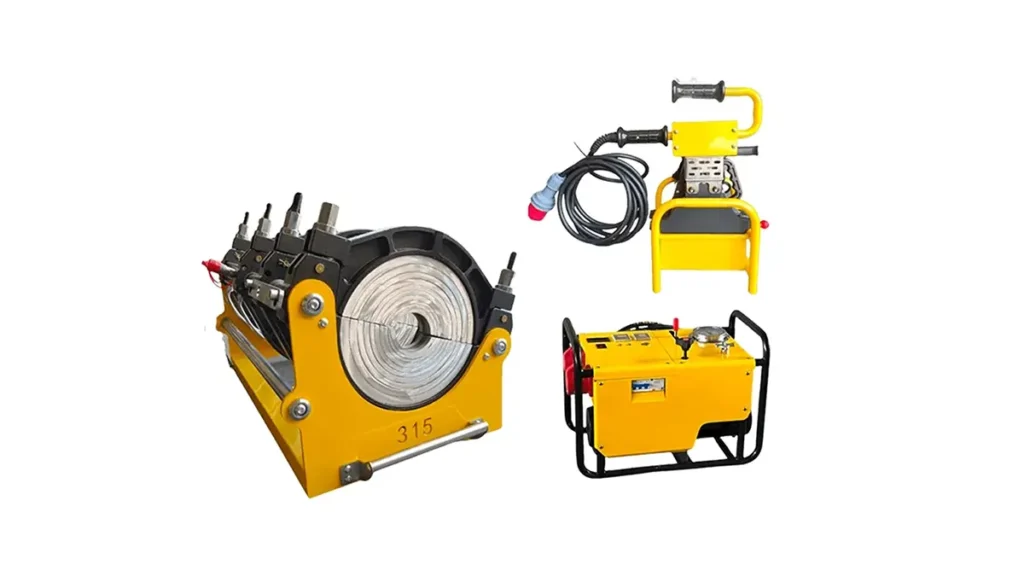
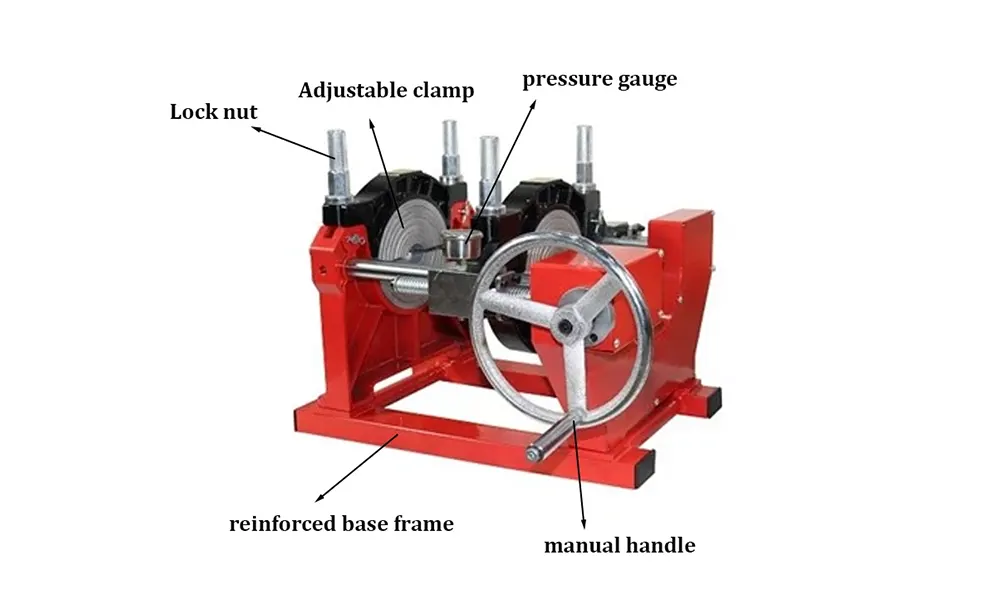
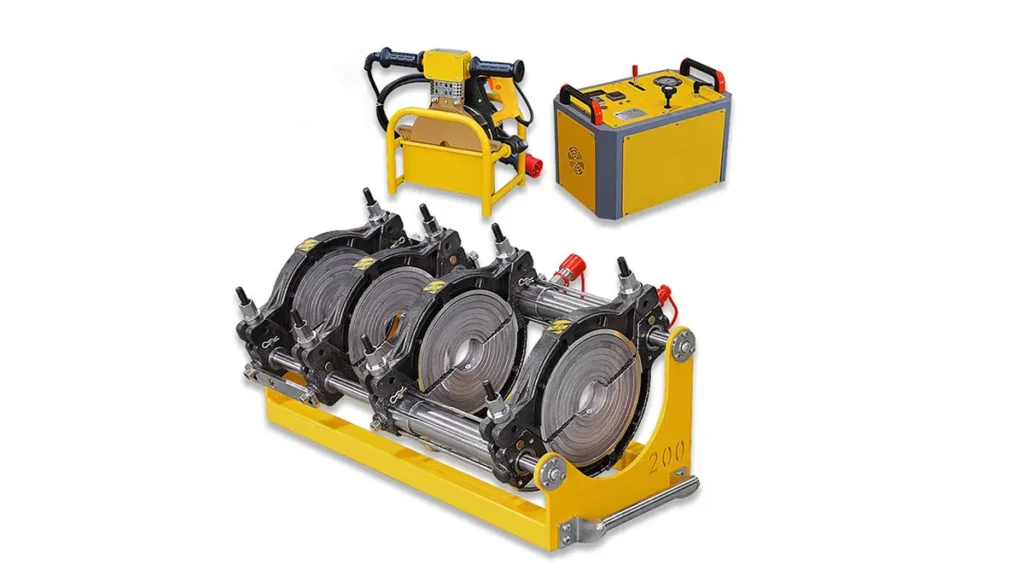
3. Machine data capture ensures that the equipment used on the job is part of the record. Whether the project uses a manual, hydraulic, or CNC automatic system, the welding machine settings must be easy to review. This is one area where a reliable digital interface can make a major difference.
Common Types of Pipe Welding Traceability Solutions
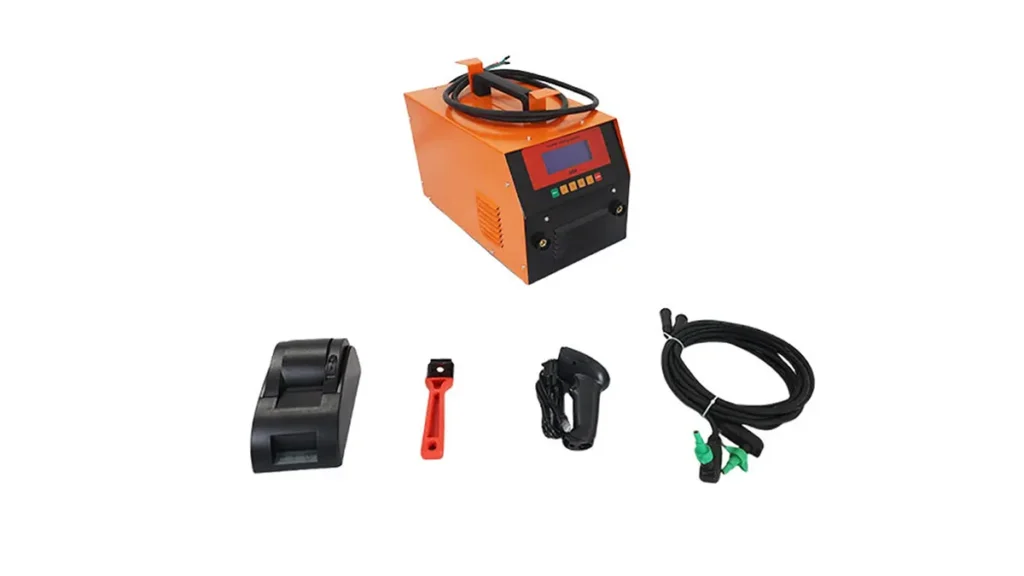
Barcode-based systems are widely used because they are simple, affordable, and effective. Each pipe section, fitting, or job card receives a barcode that is scanned before welding. The scan pulls up the relevant data and attaches it to the weld record. This method is ideal for medium-sized projects that need a practical entry point into digital quality control.
RFID solutions provide a more advanced option. RFID tags can be read quickly without direct line-of-sight scanning, which makes them useful in fast-moving construction environments. They are especially helpful when materials move through multiple stations or when large teams are working across a broad site.
Integrated CNC welding data systems are the strongest option for projects that demand detailed control. These systems automatically record key welding parameters from the machine itself, reducing the risk of manual entry errors. For contractors handling critical installations, this level of automation supports both quality consistency and audit readiness.
Tip: The best system is not always the most complex one. Choose a solution that matches the project scale, the compliance level, and the crew’s ability to use it consistently.
How Traceability Improves Quality Control
Quality control becomes much stronger when each weld has a visible digital history. Supervisors can compare records across crews, identify patterns in machine performance, and review whether the correct procedure was used for a specific pipe diameter or material type. This helps quality teams move from reactive inspection to proactive prevention.
Traceability also supports root-cause analysis. If defects appear in a section of pipeline, the team can check whether the affected welds were made with the same operator, the same machine, or the same batch of pipe. That kind of data reduces guesswork and allows corrective action to focus on the actual source of the problem.
In addition, traceability improves training. When weld data is tracked over time, supervisors can identify which operators consistently perform well and which need additional support. This makes quality management more objective and creates a stronger culture of accountability on site.
How Traceability Supports Compliance
Compliance in pipe welding is usually tied to standards, specifications, and project documentation requirements. A traceability solution helps prove that the welding work was completed using approved procedures and qualified personnel. It can also support inspection reports, handover documentation, and long-term maintenance planning.
For international projects, compliance may involve multiple stakeholders, including regulators, consultants, contractors, and end users. A well-designed traceability system simplifies communication between these parties by giving everyone access to the same verified data. This reduces administrative delays and makes project closeout smoother.
When certification is required, traceability becomes even more valuable. It provides a documented chain that links the machine, process, and result to the final welded joint. That is why many companies choose equipment and documentation systems that align with recognized quality frameworks and testing requirements.
Compliance advantage: A complete digital record can shorten audits, improve client confidence, and reduce the time spent searching for missing welding documents.
Why JQ-Fusion Equipment Fits Traceable Welding Workflows
Traceability is most effective when supported by stable, accurate, and well-controlled welding equipment. JQ-Fusion provides butt fusion solutions designed for global pipeline projects, with manual, hydraulic, and CNC automatic models available for different job requirements. Their equipment is widely used in water supply systems, gas distribution networks, mining projects, and industrial installations, where reliable records matter as much as weld performance.
Because the machines are built with strict quality control and tested for temperature accuracy, hydraulic pressure stability, and clamp alignment, they support repeatable welding results. That consistency is essential for traceability systems, since accurate records are only meaningful when the equipment itself performs predictably.
For projects that need customization, JQ-Fusion also offers OEM and ODM options, which can be useful when companies want branded systems or project-specific configurations. This flexibility helps contractors align their welding operations with site requirements while still maintaining a traceable process.
Best Practices for Choosing a Traceability Solution
To choose the right solution, start by evaluating the project’s documentation needs. Small utility jobs may only require basic weld logging, while critical infrastructure projects may need full automation and parameter storage. The more demanding the compliance environment, the stronger the traceability platform should be.
Next, consider ease of use. A traceability system only works if the field team uses it properly. Clear workflows, simple data entry, and durable tags or scanning tools will improve adoption. If the system is too complicated, records may become incomplete or inaccurate.
Also review the support structure behind the solution. Technical support, training, spare parts availability, and fast response times all matter. A traceability system is not just software; it is part of the daily production workflow and should be backed by reliable service.
Practical rule: If the team cannot explain how a weld record is created, stored, and retrieved in under a minute, the system may be too complex for field use.
How Traceability Helps Build Long-Term Project Value
Strong traceability is not only useful during construction. It also adds value after the pipeline is commissioned. Owners can use the records for maintenance planning, warranty support, upgrades, and future inspections. When the time comes to expand or repair a network, the historical welding data can save time and reduce uncertainty.
For contractors, traceability can also strengthen reputation. Clients increasingly want partners who can prove quality rather than simply claim it. A company that delivers clear weld records, consistent outcomes, and responsive documentation earns more trust and is better positioned for repeat business.
In competitive markets, that trust can be a major advantage. Traceability turns welding from a purely mechanical operation into a managed, measurable, and reviewable process. This shift improves both compliance and customer confidence.
Bottom line: The best pipe welding traceability solution is the one that captures the right data, fits the workflow, supports compliance, and helps the team produce better welds every day.
FAQs
Q1: What is pipe welding traceability?
It is the process of recording and linking all important welding information, such as materials, operators, machine settings, and inspection results, to each welded joint.
Q2: Why is traceability important for compliance?
It provides documented proof that welding work followed approved procedures and allows auditors or clients to review the full history of each weld.
Q3: Which traceability solution is best for large projects?
Integrated CNC data systems with barcode or RFID identification are often the best choice because they capture detailed data automatically and reduce manual errors.
Q4: Can traceability improve weld quality?
Yes. It helps teams detect problems earlier, compare performance across operators, and correct process issues before they become major defects.
Q5: Do smaller contractors need traceability systems too?
Yes. Even basic traceability tools can improve organization, reduce rework, and provide useful documentation for clients and inspectors.