
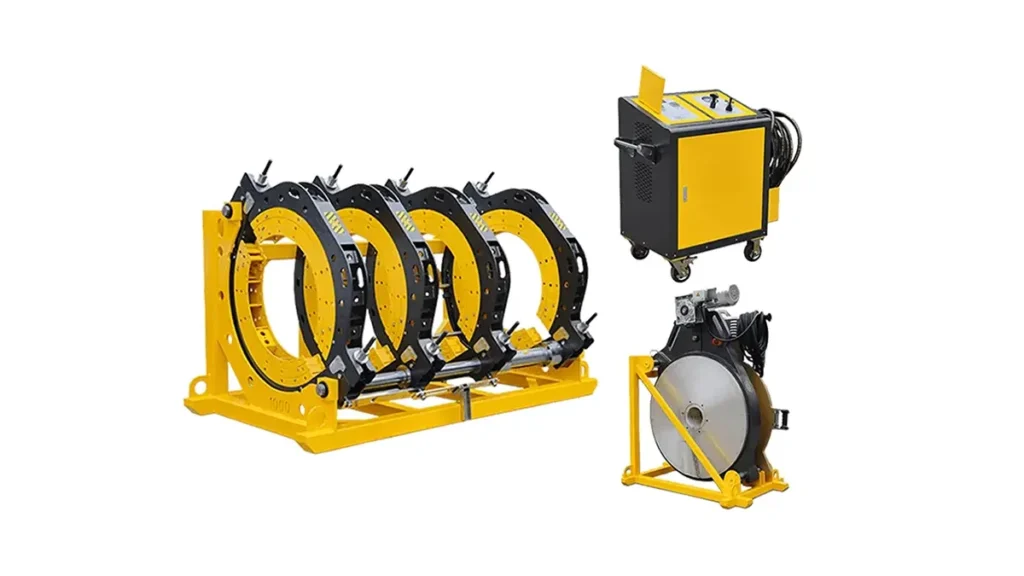
Compliance requirements for welding equipment are not just a regulatory checklist; they are the foundation of safe, repeatable, and professional welding operations. Whether a team is working on water supply systems, gas distribution networks, mining pipelines, or industrial installations, the equipment used must meet strict expectations for safety, performance, traceability, and maintenance. In practice, compliance helps reduce operational risk, protect workers, improve weld quality, and support project acceptance by inspectors and clients.
For manufacturers, distributors, contractors, and project managers, understanding compliance starts with knowing which standards apply to the equipment, how testing is documented, and what ongoing responsibilities exist after installation. This is especially important for organizations sourcing specialized solutions such as a butt fusion machine for pipeline projects, where reliability and repeatability directly affect joint integrity and long-term service life.
In many markets, compliance requirements are shaped by a combination of national laws, international standards, factory quality systems, and site-specific safety procedures. That means a welding machine may need to satisfy electrical safety rules, mechanical performance specifications, operator protection requirements, and calibration expectations all at once. When these elements are aligned, the equipment becomes easier to approve, easier to maintain, and safer to use in demanding field environments.
Key idea: compliance is not only about passing an inspection once. It is about proving that the welding equipment can continue to operate safely, consistently, and within specification throughout its service life.
1. Safety Compliance Is the First Requirement
Every welding system must be designed and operated with worker safety in mind. This includes protection from electric shock, hot surfaces, moving parts, hydraulic pressure, pinch points, and harmful fumes. Equipment should have clear emergency stop functions, proper insulation, secure grounding, and stable construction to prevent accidents during operation.
Safety compliance also extends to the machine interface. Controls should be easy to understand, labeled correctly, and arranged in a way that reduces operator error. In industrial projects, a compliant machine should support safe startup, stable operation, and controlled shutdown. These requirements matter whether the equipment is used in a workshop or on a remote pipeline site.
Tip: safety compliance is strongest when the machine design, operator training, and site procedures work together.
2. Electrical and Mechanical Standards Must Be Verified
Welding equipment usually includes electrical systems, heating elements, motors, controllers, sensors, and hydraulic components. Each part must be evaluated for performance and conformity. Electrical compliance may involve voltage stability, insulation resistance, grounding integrity, overload protection, and control circuit reliability. Mechanical compliance may include clamp alignment, frame strength, motion accuracy, and pressure stability.
For butt fusion systems, temperature control and hydraulic pressure consistency are especially important. If the heating plate is inaccurate or pressure fluctuates during the fusion cycle, the weld quality can suffer. That is why manufacturers with strong quality systems test these functions before delivery and continue to verify them during production.
Compliance focus: a welding machine should not only power on; it must perform within the limits required for dependable field welding.
3. International Standards Often Shape Compliance
Depending on the destination market, welding equipment may need to follow recognized international standards. These standards can address machine safety, welding process control, manufacturing quality, and product certification. Common frameworks may include ISO, IEC, CE-related directives, and other regional rules that govern industrial equipment.
For global contractors, this creates an important advantage: equipment built with compliance in mind is easier to deploy across different countries and projects. It reduces approval delays and supports smoother procurement. Manufacturers who provide documentation, test results, and certification records give buyers more confidence in the machine’s suitability.
When selecting a supplier, ask whether the equipment is manufactured under a certified quality system and whether independent inspection has been performed. Products aligned with international expectations are generally easier to integrate into project workflows and easier to defend during audits.
4. Documentation Is a Core Part of Compliance
Compliance is not complete without proper documentation. A welding equipment file should usually include product specifications, electrical diagrams, operating instructions, maintenance guidance, calibration details, inspection records, and certification evidence. This documentation proves that the machine was built and tested correctly, and it helps operators use the machine safely and effectively.
Clear documentation also supports traceability. If a project quality issue arises, inspectors may ask for proof of machine settings, calibration status, and maintenance history. In this sense, documentation is not just paperwork; it is part of quality control. It helps separate a professionally managed welding program from an informal one.
Important: if documentation is incomplete, even a well-built machine may face rejection during project review or site inspection.
5. Calibration and Testing Must Be Routine
One of the most important compliance requirements is that welding equipment must remain accurate over time. Heating systems, pressure gauges, sensors, and controllers can drift due to usage, vibration, heat, or wear. For that reason, regular calibration and functional testing are essential.
Calibration ensures that the equipment delivers the values shown on its display. Testing verifies that the machine actually performs as expected under operating conditions. In pipeline fusion work, this may include checking temperature accuracy, clamp alignment, hydraulic pressure stability, and cycle timing. Without these checks, even advanced equipment can produce inconsistent results.
Many professional users build calibration into a preventive maintenance schedule. This helps keep compliance active rather than reactive. It also reduces downtime and makes the equipment more dependable for time-sensitive projects.
Best practice: routine calibration is cheaper than rework, downtime, or failed weld inspections.
6. Operator Training Is Part of the Compliance System
Even the best welding equipment can become non-compliant if it is used incorrectly. That is why operators must be trained not only in machine operation but also in safety, process control, inspection, and emergency response. Training should cover startup procedures, parameter selection, weld cycle monitoring, troubleshooting, and shutdown steps.
In many projects, compliance audits may ask whether operators are qualified to use the equipment. For this reason, companies should keep training records and refresh training when equipment models change or when new procedures are introduced. Well-trained operators reduce error rates and help keep the welding process within approved limits.
Professional manufacturers often support customers with technical guidance, installation advice, and after-sales assistance. This support can make a significant difference in maintaining compliance, especially for teams working on large or geographically dispersed projects.
7. Material Traceability and Project Records Matter
In regulated industries, compliance goes beyond the machine itself. Buyers may need traceability records that connect the welding equipment to specific jobs, batch numbers, inspection reports, and service logs. This is especially important in critical infrastructure projects where failure is costly and safety-sensitive.
Traceability helps answer key questions: Which machine was used? Was it calibrated? Who operated it? What settings were applied? Were the results acceptable? By keeping these records, contractors create a stronger quality chain that supports project approval and future maintenance.
For manufacturers serving global markets, providing serial numbers, production testing data, and inspection certificates demonstrates professionalism and accountability. It also helps distributors and contractors build trust with end users.
8. Environmental and Site Conditions Can Affect Compliance
Compliance requirements are not limited to the machine’s factory condition. The working environment also matters. High humidity, dust, vibration, unstable power supply, extreme temperatures, and outdoor weather can all affect welding performance. Equipment must therefore be suitable for the site conditions in which it will be used.
For field projects, protective enclosures, stable supports, proper cable management, and correct storage practices help maintain compliance. A machine that is fully compliant in a controlled workshop may still fail in the field if it is not protected from contamination or improper handling. Good site management is part of overall equipment compliance.
Note: compliance is a shared responsibility between the manufacturer, the distributor, and the user on site.
9. Why Buyers Should Evaluate the Manufacturer’s Compliance Capability
Choosing a compliant machine begins with choosing a compliant manufacturer. A strong supplier should be able to explain its quality control process, testing methods, product standards, and customization options. Manufacturers with advanced production lines, strict inspection processes, and experienced engineering teams are generally better positioned to deliver dependable equipment.
Buyers should also consider whether the supplier offers OEM and ODM customization, global support, and fast logistics. These services can be important when projects have special voltage requirements, branding needs, or urgent delivery deadlines. A reliable manufacturer does more than sell a machine; it helps ensure the machine remains usable and compliant in real-world conditions.
Companies with broad product ranges, including hydraulic, automatic, and electrofusion systems, can often support different compliance needs across multiple project types. This versatility is valuable for contractors working across water, gas, mining, and industrial applications.
10. How to Build a Practical Compliance Checklist
A practical compliance checklist helps teams stay organized and avoid missing critical steps. A strong checklist should include the following:
- Confirm applicable standards: identify the laws, certifications, and project rules that apply to the equipment.
- Review safety features: check grounding, insulation, emergency stop systems, and operator protection.
- Verify factory testing: confirm temperature, pressure, and mechanical alignment tests were completed.
- Inspect documentation: ensure manuals, certificates, and calibration records are included.
- Train operators: make sure personnel understand both machine use and safety procedures.
- Schedule maintenance: set calibration and service intervals before equipment is put into full use.
This kind of checklist helps keep compliance manageable. It also makes it easier to share responsibility among purchasing teams, technical teams, and site supervisors.
Bottom line: if compliance is built into selection, testing, training, and maintenance, the welding operation becomes safer and more efficient.
Frequently Asked Questions
What are the most important compliance documents for welding equipment?
Commonly required documents include the product manual, electrical diagram, test records, calibration details, inspection certificates, and any applicable conformity certificates or third-party reports.
Why is calibration so important for welding machines?
Calibration confirms that the machine’s displayed values match actual operating performance. This is essential for temperature control, pressure control, and consistent weld quality.
Do operators need formal training to meet compliance requirements?
In most professional settings, yes. Training helps operators use the equipment safely, follow approved procedures, and reduce the chance of defective welds or accidents.
Can compliance requirements differ by country or project?
Yes. Requirements may change based on local regulations, project specifications, industry standards, and customer expectations, so it is important to verify them before purchase and deployment.
What should buyers ask a manufacturer before ordering welding equipment?
Buyers should ask about testing procedures, certifications, customization options, after-sales support, spare parts availability, and whether the equipment has been produced under a controlled quality system.



