
When a pipeline project depends on joint strength, production speed, and long-term reliability, the welding equipment you choose becomes one of the most important decisions in the whole workflow. In HDPE pipeline construction, the right fusion system can help reduce rework, improve consistency, and support safe operation in water supply, gas distribution, mining, and industrial installations. If you are comparing equipment for your next project, understanding the most important specifications of a butt fusion machine will help you choose confidently and avoid costly mistakes.
At first glance, many fusion welding machines may appear similar. But in practice, the differences in pipe size range, temperature control, hydraulic stability, clamping accuracy, and control system design can significantly affect welding quality. A machine that works well for small municipal repairs may not be suitable for large-diameter industrial pipelines. That is why buyers should evaluate technical details carefully, not just the price tag.
For contractors, distributors, and project engineers, a smart purchase starts with understanding how the machine will be used. Will it handle only standard pipe diameters, or must it support a wide range of sizes? Is the job site fixed or mobile? Do you need manual operation, hydraulic control, or CNC automation? These questions matter because they directly influence machine performance and project efficiency.
Below is a practical guide to the key fusion welding machine specifications you should look for before making a decision.
1. Pipe Diameter Range
One of the first specifications to check is the pipe diameter range the machine can handle. Fusion welding machines are designed for different sizes, from small pipe systems to large-diameter infrastructure projects. If the machine does not match your pipe dimensions, you may face compatibility issues or be forced to use a less efficient setup.
Key point: Choose a machine whose working range covers your current project needs and leaves room for future orders. This is especially important for distributors and contractors who work across multiple project types.
A broader pipe range can increase flexibility, but only if the machine maintains reliable performance across that range. For example, a machine used for water supply systems may need to support several common HDPE sizes, while a mining project could require heavier-duty capacity. Always confirm the exact minimum and maximum pipe diameter specifications before purchasing.
2. Heating Plate Temperature Control
Temperature accuracy is critical in butt fusion welding because the heating plate must melt the pipe ends evenly. If the temperature is unstable, the fused joint may become weak, uneven, or prone to leakage. That is why heating plate quality is one of the most important machine specifications to evaluate.
Look for a machine with precise temperature control, quick heat-up time, and stable thermal performance. A good system should maintain consistent heat across the plate surface, not just at the center. This helps ensure uniform melting and strong fusion results.
Tip: Ask whether the heating plate has been tested for temperature accuracy and surface consistency. In professional manufacturing, this kind of quality control helps prevent welding defects on real job sites.
3. Hydraulic Pressure Stability
For hydraulic butt fusion systems, pressure stability is another essential specification. The hydraulic unit controls the force applied during alignment, heating, and fusion stages. If the pressure fluctuates, the pipe ends may not align correctly, leading to weak joints or poor bead formation.
A reliable hydraulic system should provide smooth pressure adjustment and stable output during the entire welding cycle. This is particularly valuable for larger pipe sizes, where precise force control becomes even more important. Poor hydraulic performance can result in wasted material, longer setup time, and lower joint quality.
When reviewing machine options, ask about hydraulic cylinder quality, pressure range, and whether the unit has been tested under real working conditions. Strong hydraulic stability is often a sign of better engineering and longer service life.
4. Clamp Alignment Accuracy
Accurate clamp alignment is essential for producing clean and durable fusion joints. If the pipe ends are not perfectly aligned, the weld seam may be uneven, which can reduce the strength of the connection. Even a high-quality heating plate cannot compensate for poor alignment.
The clamp system should hold the pipes securely while keeping them centered and level. This is especially important on site, where operators may work in challenging environments. A well-built clamp system helps improve repeatability and reduces operator error.
Important: A machine with strong clamp precision is more likely to deliver consistent results, especially when welding long pipelines or repeated joints in large projects.
5. Control System Type: Manual, Hydraulic, or CNC
Fusion welding machines are available in different control formats, and each one serves a different level of application. Manual machines are often suitable for smaller budgets, basic projects, or simpler field use. Hydraulic models provide better force control and are commonly used in professional pipeline work. CNC automatic machines offer the highest level of process consistency and are ideal for projects that demand strict repeatability.
Choosing the right control system depends on your labor skills, project scale, and quality requirements. If you need faster training and easy operation, a simpler machine may be sufficient. If you need high productivity and more automation, a CNC model can reduce operator dependence and improve output stability.
For many businesses, the best choice is the one that balances performance, operator convenience, and long-term return on investment.
6. Heating Time and Cooling Efficiency
Cycle time plays a major role in project efficiency. A machine that heats up quickly and supports efficient cooling can help increase daily output. This matters especially when contractors must complete many joints within a limited schedule.
However, speed should never come at the cost of quality. A good fusion machine should combine efficient heating with controlled cooling stages so that the final joint can form correctly. When reviewing specifications, check whether the machine supports stable process timing and whether its operation sequence is easy for workers to follow.
In field applications, efficient cycle time can reduce labor costs and improve project planning. This is one reason professional buyers often compare more than just the machine’s diameter range.
7. Power Requirements and Voltage Compatibility
Power compatibility is a practical specification that is sometimes overlooked. Before ordering, confirm whether the machine matches the electricity supply available at your site or warehouse. Some projects require specific voltages, and a mismatch can create installation delays or add extra conversion costs.
If you work across different countries or regions, voltage flexibility can be a major advantage. For example, export-focused buyers may need machines that can be adapted to local standards. This is also where OEM and ODM customization can be especially useful.
Best practice: Verify the voltage, phase, and power consumption before shipping. This reduces the risk of operational problems after delivery.
8. Machine Material, Frame Strength, and Durability
A fusion welding machine must withstand repeated use, transportation, and demanding worksite conditions. That is why the build quality of the frame, carriage, and structural parts should be carefully examined. Strong materials and precision machining contribute directly to long service life and stable welding performance.
Durability matters not only for equipment lifespan but also for daily welding consistency. A rigid frame helps reduce vibration and maintain alignment. In heavy-duty projects, this can make a noticeable difference in joint quality. Buyers should also ask about surface treatment, corrosion resistance, and overall manufacturing standards.
High-quality manufacturing is one of the strongest indicators that the machine will deliver reliable performance over time.
9. Safety Features and Quality Testing
Safety should always be part of the specification review. A well-designed fusion machine should support safe operation through stable electrical components, secure mechanical locking, and proper thermal protection. These features help reduce the risk of accidents and equipment failure.
Quality testing is equally important. Reliable manufacturers test temperature accuracy, hydraulic pressure stability, and clamp alignment before delivery. This kind of inspection helps ensure that each machine can perform consistently in real pipeline projects.
If you are sourcing from a manufacturer with international experience, ask whether the equipment complies with recognized standards and whether third-party certifications are available. Certified products often provide added confidence for procurement teams and end users.
10. After-Sales Support, Spare Parts, and Training
The best machine is not only defined by hardware. Support services also matter because pipeline projects cannot afford long downtime. Before buying, check whether the supplier offers technical guidance, training, spare parts support, and responsive after-sales service.
Strong support is especially valuable for overseas buyers and project teams working under tight deadlines. If a component needs replacement or the operator needs help, fast response time can prevent costly interruptions. This is one reason many buyers prefer working with manufacturers that have established export experience and a large inventory.
For businesses building long-term partnerships, supplier reliability is often as important as technical specification.
Why Professional Buyers Choose JQ-Fusion
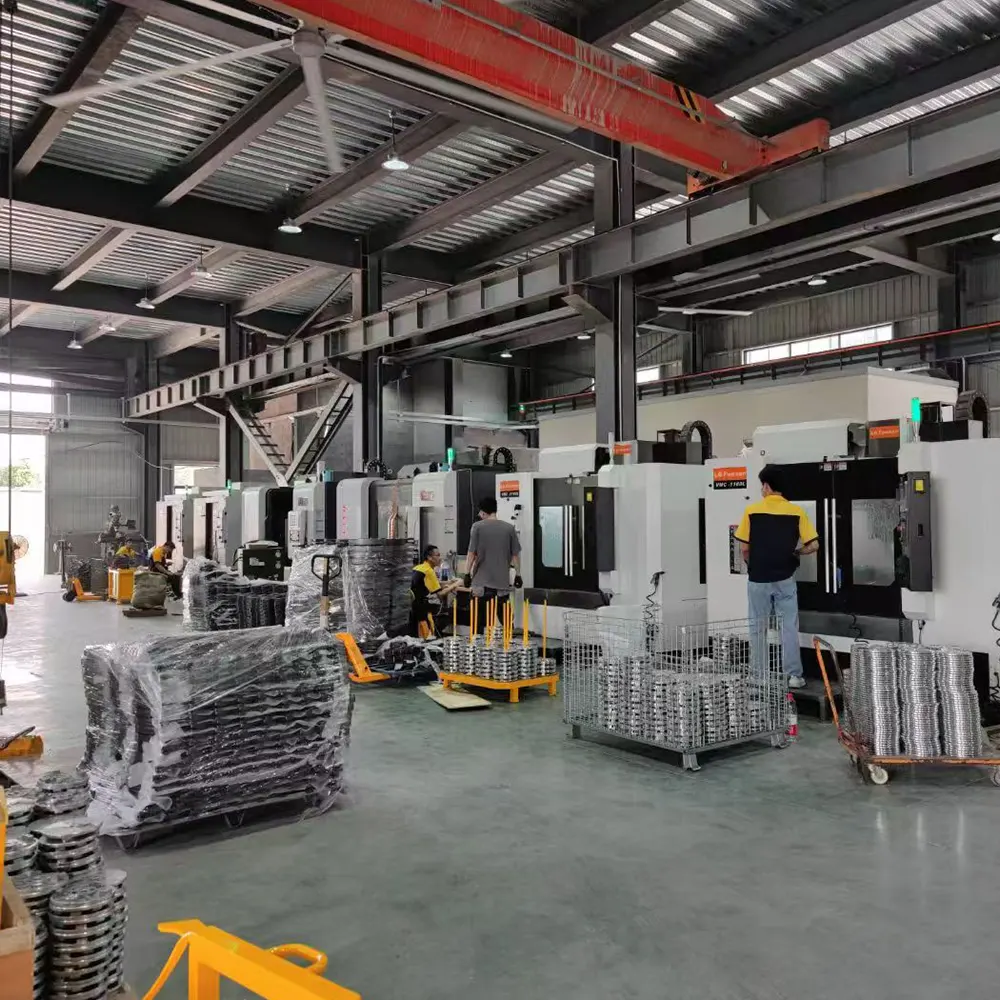
JQ-Fusion focuses on professional butt fusion solutions for HDPE pipe projects around the world. With more than 20 years of industry experience, the company provides manual, hydraulic, and CNC automatic machines for different pipe diameters and application environments. This wide product coverage makes it easier for buyers to match the right machine to the right project.
Advanced manufacturing technology, strict quality control, and flexible OEM & ODM customization help JQ-Fusion meet the needs of global contractors and distributors. Whether you need a standard configuration or a project-specific design, the factory can support tailored solutions that improve market competitiveness.
JQ-Fusion also supports customers with reliable logistics, technical guidance, and a strong stock supply system. For buyers who need stable performance, fast delivery, and professional support, these advantages can make the procurement process much smoother.
You can explore more product details through the official site and related pages such as butt fusion machine solutions, hydraulic models, and automatic welding equipment. If your project requires customized specifications, it is worth reviewing the available configurations before placing an order.
Choosing the Right Machine for Your Project
In practical terms, the right fusion welding machine should match your pipe size, power supply, productivity goals, and operator skill level. It should also provide stable temperature control, accurate clamping, reliable pressure output, and durable construction. When these elements work together, the result is a safer, faster, and more dependable welding process.
For contractors, the decision should be based on total project value rather than initial cost alone. A lower-priced machine may seem attractive, but if it causes poor weld quality, frequent maintenance, or project delays, the long-term cost can be much higher. On the other hand, a well-specified machine can improve throughput, reduce waste, and strengthen your reputation in the market.
That is why specification comparison should always come before purchase. A thoughtful buying process protects both your budget and your project outcomes.
Conclusion
When evaluating a fusion welding machine, focus on the specifications that directly affect weld quality and job-site efficiency: pipe diameter range, temperature control, hydraulic stability, clamp alignment, control system type, cycle time, power compatibility, durability, and support services. These details determine whether the machine will simply function or truly perform well under real working conditions.
By comparing technical data carefully and choosing a manufacturer with proven expertise, you can reduce risk and improve the success of every pipeline project. If your work involves HDPE pipe welding and you want dependable performance with flexible customization, a professional supplier can make all the difference.
Frequently Asked Questions
Q1: What is the most important specification in a butt fusion machine?
The most important specifications are usually pipe diameter range, temperature control, hydraulic stability, and clamp alignment accuracy because they directly affect joint quality.
Q2: Should I choose a manual, hydraulic, or CNC machine?
It depends on your project scale and quality requirements. Manual units suit simpler jobs, hydraulic machines offer stronger control, and CNC systems are best for high consistency and larger operations.
Q3: Why does temperature accuracy matter so much?
Because uneven or unstable heating can create weak welds, poor fusion, and leakage risks in the finished pipeline.
Q4: Can I use one machine for different pipe sizes?
Yes, if the machine’s pipe range covers those sizes. Always confirm the minimum and maximum diameter limits before purchasing.
Q5: What support should I expect from a good manufacturer?
A good manufacturer should provide technical guidance, spare parts support, delivery assistance, and after-sales service to help keep your project running smoothly.



