
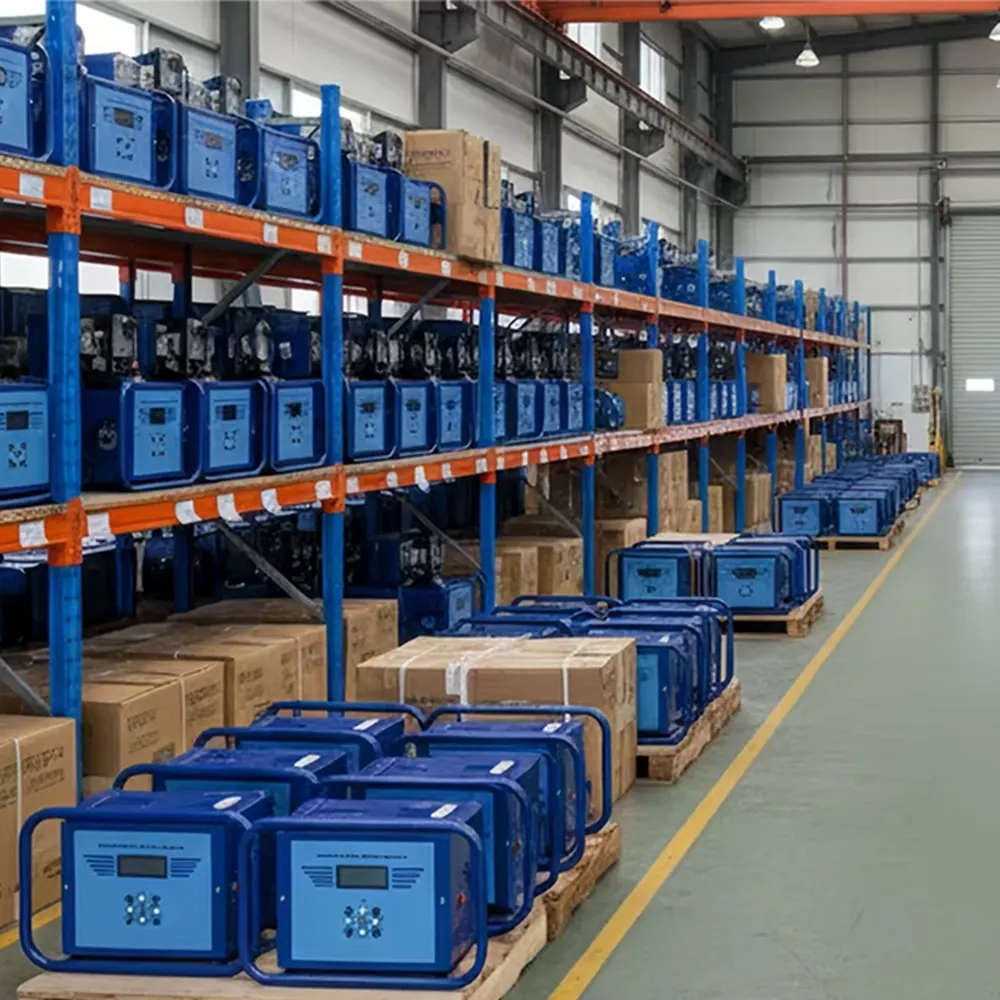
When working with HDPE pipes, safety is never something to treat as an afterthought. Butt fusion welding creates strong, leak-resistant joints, but the process involves high temperatures, heated surfaces, hydraulic pressure, and heavy equipment. That means every operator, supervisor, and site worker must understand the risks before the first weld begins.
If your team uses a butt fusion machine, the safest results always start with proper preparation, disciplined operation, and strict attention to detail. In this guide, we’ll cover the most important HDPE welding fire safety precautions you should follow to protect your crew, your equipment, and your project timeline.
Why Fire Safety Matters in HDPE Welding
HDPE itself is not difficult to weld, but the fusion process involves heat sources that can become dangerous if handled incorrectly. The heater plate, electrical components, fuel-powered generators, cleaning solvents, and nearby combustible materials all increase the chance of fire or injury. In field projects, a small mistake can quickly lead to downtime, damaged pipe sections, or a serious accident.
Key point: Fire safety is not only about avoiding flames. It also means controlling ignition sources, preventing overheating, and keeping the work area clear and organized.
1. Inspect the Work Area Before Welding
Before any HDPE pipe welding starts, inspect the site carefully. The surrounding area should be dry, clean, and free from combustible materials such as wood, paper, packaging, fuel containers, rags, paint, and solvent-based products. If welding is being done inside a trench, warehouse, or temporary shelter, ventilation becomes even more important because heat and fumes can accumulate quickly.
Make sure the welding zone is separated from foot traffic and other active operations. Use warning signs or barriers so unauthorized personnel do not enter the danger area. If the project is in a remote environment, such as a mining site or utility corridor, check whether nearby vehicles, fuel tanks, or generators need to be moved farther away from the work zone.
✔ Keep fire hazards at a safe distance from the welding station.
✔ Maintain clear access for emergency response if needed.
✔ Work only in a controlled area with proper supervision.
2. Use Only Properly Maintained Equipment
One of the biggest fire risks comes from faulty or poorly maintained machinery. A reliable butt fusion machine should be inspected before use to ensure the heater plate, power cables, hydraulic unit, clamps, and control system are working correctly. Damaged wiring or unstable power supply can lead to electrical overheating, sparks, or sudden failure during operation.
For teams searching for durable equipment, JQ-Fusion provides HDPE pipe welding solutions designed for stable performance and long service life. Their product range includes hydraulic, manual, and CNC automatic butt fusion welding machines, making it easier to match the right equipment to the job. Well-built machines not only improve weld quality but also reduce safety risks caused by unstable operation.
Always follow the manufacturer’s maintenance schedule. Clean heating surfaces regularly, check hydraulic pressure stability, and confirm that all locking mechanisms and alignment components are secure. A machine that is not operating correctly should never be used until it has been repaired and tested.
3. Control Heat Sources and Open Flames
HDPE fusion welding depends on heat, but the heat must be controlled carefully. Never place flammable objects close to the heater plate, and never leave the heating element unattended when it is powered on. If the site uses auxiliary heating equipment, such as portable heaters or fuel-fired generators, place them well away from the welding area.
Open flames should never be allowed near fusion welding operations. Smoking must be prohibited in the work zone, and any sparks from grinding or cutting activities should be managed separately from welding operations. If you must perform other hot work nearby, conduct a fire risk assessment first and assign a dedicated watch person.
Important: Do not assume that “plastic welding” means low risk. The heater plate and surrounding components can still ignite nearby materials if the area is not controlled.
4. Wear the Right Personal Protective Equipment
Proper PPE is a simple but powerful fire safety measure. Operators should wear heat-resistant gloves, long sleeves, long trousers, and safety footwear to protect against burns from hot surfaces and accidental contact with the heater plate. Safety glasses or a face shield are also recommended when cleaning pipe ends or handling heated components.
Clothing should fit properly and not contain loose fabric that could catch on equipment or contact hot surfaces. Avoid synthetic materials that may melt under high heat. When working in dusty, windy, or unstable site conditions, add extra protection as needed based on the task and environment.
5. Store Cleaning Agents and Chemicals Safely
Pipe preparation often requires cleaning agents, wipes, or solvents to remove dust, grease, and contaminants from the pipe ends. These materials may be flammable, so they should be stored safely away from the heater plate and any power source. After use, dispose of solvent wipes in approved containers instead of leaving them piled on benches or in open boxes.
If adhesive products or chemical cleaners are part of your workflow, read the safety data sheet and follow storage instructions carefully. Never mix chemicals casually or use unknown substances around welding equipment. A clean surface is important for weld quality, but safe chemical handling is equally important for fire prevention.
✔ Keep solvents in labeled containers.
✔ Remove chemical waste from the work area frequently.
✔ Never place cleaning materials near powered equipment.
6. Train Operators and Enforce Procedures
Even the best equipment cannot replace trained personnel. Every operator should understand the correct fusion sequence, machine setup, temperature control, and emergency shutdown process. Fire safety training should include how to identify hazards, what to do if overheating occurs, and where extinguishers are located.
Project managers should make sure only qualified workers are allowed to operate the machine. Inconsistent procedures increase the chance of mistakes such as leaving the heater on too long, placing materials too close to heat sources, or ignoring abnormal equipment behavior. Standard operating procedures are especially valuable on large infrastructure projects where different crews may rotate through the site.
7. Prepare for Emergencies in Advance
Every welding site should have a basic emergency plan. At minimum, the team should know how to shut down the machine quickly, where to find the nearest fire extinguisher, and who to contact in case of an incident. Extinguishers should be suitable for electrical and general fire risks, and they must be inspected regularly.
It is also smart to keep first-aid supplies nearby and ensure workers know how to respond to burns. For larger industrial projects, establish a clear communication system so supervisors can react immediately if smoke, electrical failure, or overheating appears. Preparation saves time, reduces panic, and can prevent a small problem from becoming a serious fire.
Tip: Emergency equipment should never be blocked by tools, cable reels, or pipe sections. Keep access clear at all times.
8. Choose Reliable Equipment for Safer Welding
Safety and welding quality go hand in hand. A machine that provides accurate temperature control, stable pressure, and precise alignment reduces the chance of operator error and unsafe rework. For this reason, many contractors prefer equipment from manufacturers with proven industry experience and strong quality control.
JQ-Fusion is a professional manufacturer of HDPE pipe welding machines with more than 20 years of industry experience. Their solutions are used in water supply systems, gas distribution networks, mining projects, and industrial pipeline installations. The company also supports OEM and ODM customization, helping clients match equipment specifications to local project needs.
To explore reliable products and technical support, you can visit JQ-Fusion’s official website. Choosing stable, well-tested equipment is one of the most effective ways to reduce fire-related risks on site.
9. Keep the Process Organized from Start to Finish
A tidy workspace is a safer workspace. Keep tools organized, pipe ends aligned, cables routed properly, and unused materials stored away from the heat zone. At the end of each welding cycle, allow components to cool safely before moving or packing them. Rushing the process can increase the chance of burns and accidental contact with hot parts.
Good housekeeping also improves overall productivity. When operators can find tools easily and move freely around the fusion station, they are less likely to make mistakes. In high-pressure project environments, organization is one of the simplest ways to improve both safety and efficiency.
Frequently Asked Questions
Q1: Can HDPE welding cause a fire?
Yes. While HDPE itself is not easily ignited under normal conditions, the heater plate, electrical parts, solvents, and nearby combustible materials can still create fire risk if safety rules are ignored.
Q2: What is the most important fire safety step?
Keeping the work area clear of flammable materials is one of the most important steps, along with using well-maintained equipment and trained operators.
Q3: Do I need special PPE for butt fusion welding?
Yes. Heat-resistant gloves, protective clothing, safety glasses, and proper footwear are recommended to reduce burn and contact hazards.
Q4: Should I use a machine with temperature control?
Absolutely. Stable temperature control helps prevent overheating, improves weld consistency, and reduces operational risk.
Q5: Where can I find reliable HDPE fusion equipment?
You can explore professional solutions from manufacturers such as JQ-Fusion, which offers butt fusion welding machines for different pipeline applications worldwide.



