
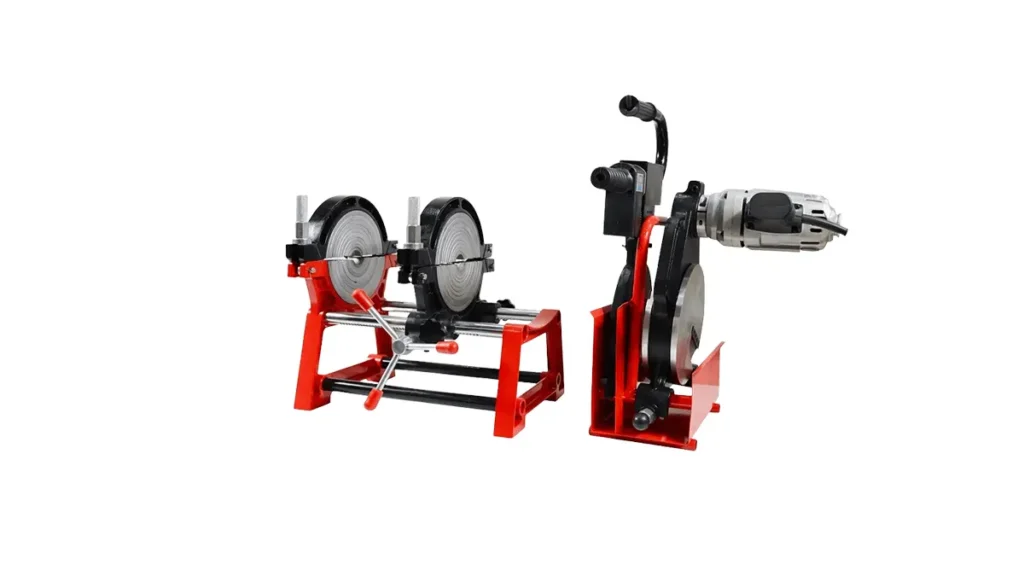
Selecting the right fusion welding machine is a critical decision for pipeline contractors, engineers, and project managers. The specifications of the machine directly impact weld quality, project efficiency, and long-term operational costs. Understanding these key parameters and how they align with your specific project requirements is essential for making an informed investment.
Critical Specifications for Fusion Welding Machines
When evaluating a butt fusion machine, several core specifications demand close attention. These are the technical pillars that determine the machine’s capability and suitability.
1. Pipe Diameter Range
This is the most fundamental specification. Machines are designed for specific pipe diameter ranges (e.g., 50-315mm, 250-800mm). It is crucial to choose a model that covers the entire size spectrum of your current and foreseeable future projects. Using a machine outside its rated range can compromise weld integrity and safety.
2. Heating Plate Technology
The heating plate is the heart of the fusion process. Key aspects include:
► Temperature Control & Uniformity: Precise, digital temperature control (±1°C) is non-negotiable for consistent melt quality. The plate must provide even heat distribution across its entire surface.
► Plate Coating: Non-stick coatings (like PTFE) prevent melted polyethylene from sticking, ensuring clean plate retraction and a smooth bead profile.
► Wattage and Heat-up Time: Higher wattage reduces waiting time, increasing job-site productivity.
3. Hydraulic System & Force Application
The hydraulic system applies the necessary fusion and alignment pressure. Look for:
- Pressure Gauge Accuracy: For precise control of fusion pressure.
- System Stability: A system that maintains consistent pressure without fluctuation.
- Fusion Force Capacity: It must meet or exceed the calculated force required for your maximum pipe diameter.
4. Clamping & Alignment System
Proper alignment is paramount for a strong, concentric weld. The clamping system should be robust, with jaws that securely hold the pipe without causing deformation. Features like quick-release mechanisms and precise alignment guides significantly improve setup speed and accuracy.
5. Control System & Automation Level
This defines the machine’s operational sophistication.
Manual Machines: Require operator skill to control all timing and pressure phases. Cost-effective but variable.
Semi-Automatic Machines: Feature programmable timers for heat and cool cycles, reducing human error.
Fully Automatic (CNC) Machines: The gold standard. Operators input pipe parameters (diameter, SDR), and the butt fusion machine automatically executes the entire weld cycle with perfect repeatability. This ensures the highest, most consistent weld quality.
How to Choose the Right Model for Your Project
With the specifications in mind, follow this structured approach to select the optimal model.
Step 1: Assess Your Project Portfolio
Analyze your typical and largest projects. What are the minimum and maximum pipe diameters (OD) you work with? What is the pipe material (PE80, PE100)? What are the common wall thicknesses (SDR values)? This profile will narrow your search to machines with the appropriate capacity.
Step 2: Evaluate Job Site Conditions
Consider the working environment. For tight, urban spaces or trench work, a compact, lightweight manual or hydraulic machine may be ideal. For large-diameter, high-volume projects in a pipe yard, a heavy-duty, fully automatic machine on a trailer or skid is more appropriate. Also, check the available power source (110V, 220V, 380V, or diesel).
Step 3: Prioritize Weld Quality & Consistency
For critical applications like gas distribution or potable water mains, where weld failure is catastrophic, investing in a machine with superior automation and control is essential. The higher initial cost is offset by reduced risk, less rework, and certified weld consistency. Manufacturers like JQ-Fusion emphasize strict quality control in their manufacturing to ensure this reliability.
Step 4: Consider Total Cost of Ownership
Look beyond the purchase price. Factor in:
- Operational Efficiency: Faster cycle times mean more joints per day.
- Durability & Maintenance: A robustly built machine with accessible service points lowers long-term costs.
- Training & Support: Does the supplier offer comprehensive training and responsive technical support? Global support networks are vital for international projects.
Step 5: Verify Manufacturer Credentials
Choose a reputable manufacturer with proven expertise. Key indicators include industry experience (e.g., 20+ years), relevant certifications (ISO, SGS), and a strong track record in global projects. A manufacturer with strong OEM & ODM capability can also provide customized solutions if your projects have unique requirements.
For instance, a professional manufacturer will not only supply a standard butt fusion machine but can also tailor it for specific voltage, branding, or functional needs, providing a significant market advantage.
Conclusion
Choosing the right fusion welding machine is a strategic decision that balances technical specifications with practical project needs. By thoroughly understanding key specs—from diameter range and heating plate technology to the level of automation—and systematically evaluating your project profile, site conditions, and quality requirements, you can select a model that delivers reliability, efficiency, and outstanding weld quality for years to come. Partnering with an experienced, quality-focused manufacturer is the final, crucial step in securing a machine that becomes a dependable asset for your pipeline construction endeavors.
Frequently Asked Questions (FAQs)
Q1: What is the main advantage of a fully automatic butt fusion machine over a manual one?
The primary advantage is consistent, repeatable, and operator-independent weld quality. Automatic machines digitally control all critical phases (facing, heating, change-over, cooling), eliminating human timing errors and ensuring every weld meets the exact same standard, which is critical for certified pipeline work.
Q2: Can one machine weld all different pipe diameters?
No. Each machine has a specified clamping and welding range. You must select a machine whose range encompasses all the pipe sizes you intend to weld. Using adapters outside the manufacturer’s recommended range is not advised as it can affect alignment and pressure application.
Q3: How important is the manufacturer’s after-sales support?
Extremely important. Reliable technical support, availability of spare parts, and operator training are essential for minimizing downtime. A manufacturer with a global support network ensures you can get help quickly, no matter where your project is located.
Q4: What certifications should I look for in a fusion welding machine?
Look for machines that comply with international welding standards (e.g., ISO 12176-1). Manufacturer certifications like ISO 9001 for quality management and third-party product certifications from bodies like SGS are strong indicators of a commitment to quality and safety.
Q5: Is customization available for special project needs?
Yes, many professional manufacturers offer customization (OEM/ODM). This can include specific voltage requirements, custom colors/branding, unique frame designs for mobility, or integration of special features for specific environments (e.g., cold weather packages).



