
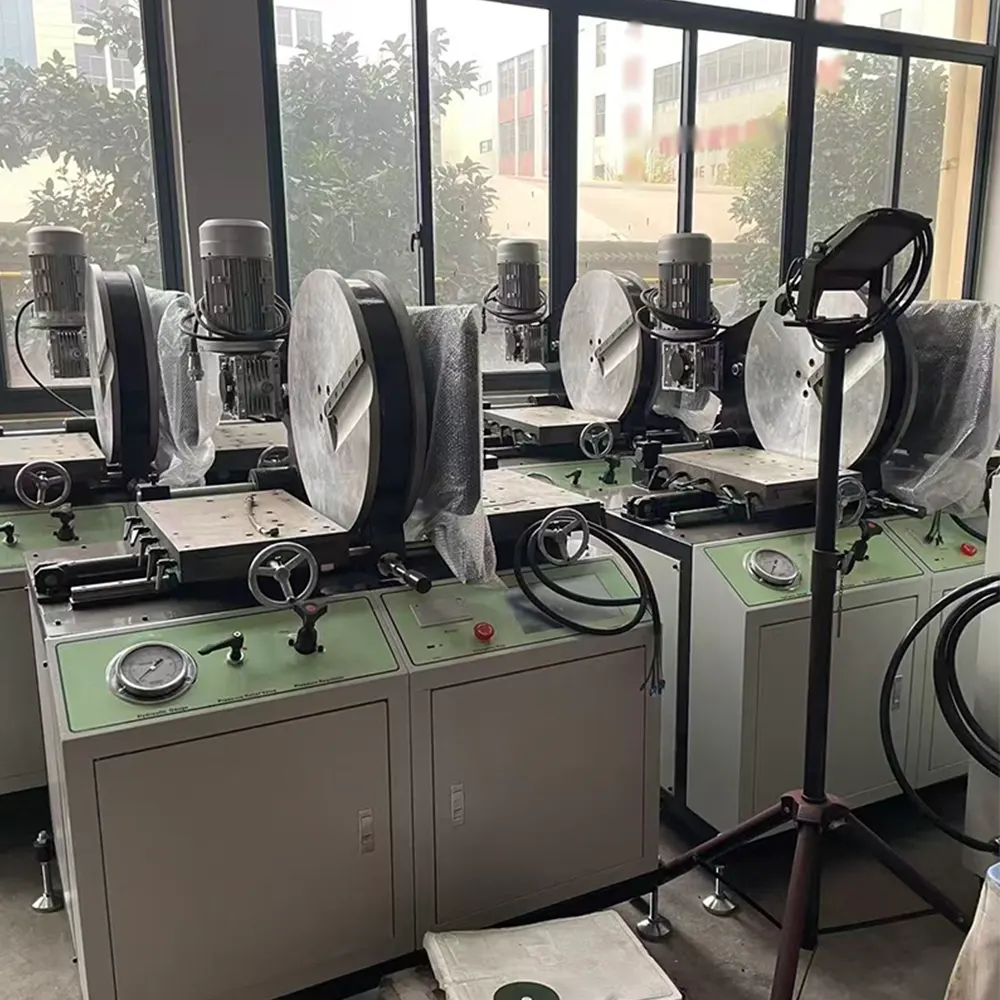
When a water treatment project depends on dependable pipe connections, the welding machine you choose becomes more than just a piece of equipment—it becomes a critical part of system safety, performance, and long-term maintenance. In water treatment plants, wastewater facilities, pumping stations, and distribution pipelines, fusion quality directly affects leak resistance, installation speed, and operational stability. That is why project managers, contractors, and distributors often look for the best welding machines that can deliver precise, repeatable results under demanding jobsite conditions.
For HDPE pipeline work in particular, a reliable butt fusion machine can help ensure strong, homogeneous joints that support clean water delivery and efficient wastewater transport. Whether the project involves new construction or system expansion, the right machine should match pipe diameter, site conditions, operator skill level, and quality requirements. In this article, we will explore the best welding machine types for water treatment projects, what features matter most, and how to select equipment that supports durable performance from start to finish.
Why Welding Machine Selection Matters in Water Treatment Projects
Water treatment projects often operate under strict technical standards. Pipelines must handle pressure changes, chemical exposure, and continuous service over many years. A weak or inconsistent weld can lead to leakage, contamination, downtime, and expensive rework. For this reason, the welding machine should offer stable heating, accurate alignment, and reliable pressure control.
Compared with many general-purpose pipe joining methods, fusion welding creates a continuous connection between HDPE pipe sections. This makes it especially suitable for drinking water systems and industrial water networks, where joint integrity is essential. In practical terms, the machine must be able to maintain repeatable heat, proper clamping force, and accurate cycle timing. A machine with poor control may create uneven beads, weak joints, or overheating issues, all of which reduce project quality.
Key point: In water treatment applications, the best welding machine is not simply the one with the highest power or biggest frame. It is the one that delivers consistent, certified, and project-appropriate fusion quality.
The Most Suitable Welding Machine Types for Water Treatment Work
Different project phases and pipe sizes call for different equipment. Below are the machine types most commonly used in water treatment and related pipeline installations.
1. Manual Butt Fusion Welding Machines
Manual models are often used for smaller pipe diameters, simple installations, or projects where portability matters. They are appreciated for their straightforward structure, lower cost, and easy maintenance. In water treatment projects, manual units can be effective for branch lines, small utility runs, and repair work. They are also useful when a contractor needs a compact machine for limited jobsite space.
However, manual machines rely more heavily on operator skill. If the crew is experienced and the pipe size range is manageable, these machines can provide reliable results. For contractors handling a mix of small water pipelines and maintenance tasks, manual models can be a practical choice.
2. Hydraulic Butt Fusion Welding Machines
Hydraulic machines are among the best options for medium and large water treatment projects. They provide improved clamping force, better alignment stability, and more controlled welding pressure. This is especially important when working with larger diameter HDPE pipes used in main water lines, sludge transfer systems, or plant-wide distribution networks.
Because hydraulic machines reduce manual effort and improve consistency, they help operators achieve stronger and more uniform fusion joints. Many contractors prefer them for their balance of efficiency, reliability, and versatility. If a project involves repeated pipe connections across a long installation schedule, hydraulic systems often provide the best return on investment.
Best for: medium-to-large pipe diameters, higher output, and projects where joint consistency is a priority.
3. CNC Automatic Butt Fusion Welding Machines
For projects that require high precision, repeatable cycles, and advanced process control, CNC automatic machines are a strong solution. These systems are designed to reduce human error and standardize the fusion process through digital control. In water treatment projects where documentation, quality assurance, and traceability are important, CNC machines can provide a valuable advantage.
Automatic units are especially suitable for contractors handling critical infrastructure, large-scale municipal systems, or projects with demanding inspection requirements. They can help improve productivity while also supporting consistent welding parameters across multiple joints. For organizations seeking long-term efficiency and better control over weld quality, CNC machines are often considered among the best welding machines available.
4. Electrofusion Welding Machines
Although butt fusion is the main focus for many water treatment pipeline systems, electrofusion machines also play an important role. They are commonly used for fitting connections, repairs, and areas where butt fusion access is limited. In water service work, electrofusion can be useful for valves, tees, reducers, and integration into existing systems.
These machines are valued for their reliability and adaptability in complex installation environments. When a project includes both new pipeline sections and connection points that require specialized fitting methods, electrofusion equipment adds flexibility to the welding toolkit.
What Features Matter Most When Choosing the Best Welding Machines
The right machine should be judged by practical engineering features, not by appearance alone. Contractors and buyers should pay attention to the following factors before making a purchase decision.
1. Temperature accuracy: Stable heating is essential for proper fusion. A machine with reliable temperature control helps ensure consistent bead formation and stronger joints.
2. Hydraulic pressure stability: For hydraulic and automatic systems, steady pressure control improves alignment and joint uniformity.
3. Clamp alignment: Accurate pipe positioning reduces joint stress and lowers the risk of weld defects.
4. Diameter compatibility: The machine should match the pipeline sizes used in your water treatment project.
5. Durability: A rugged frame, reliable components, and strong construction help the machine withstand demanding site conditions.
In addition to the technical specifications, consider how the machine will be used on-site. A compact machine may be ideal for small maintenance teams, while a large municipal project may require an automatic system with data recording and higher output capacity. The best choice is always the one that aligns with project scope, operator experience, and quality expectations.
Why HDPE Butt Fusion Is a Strong Fit for Water Treatment Pipelines
HDPE pipe is widely used in water treatment because it offers corrosion resistance, long service life, and excellent joint integrity when fused correctly. Unlike mechanical joining methods that may loosen over time, butt fusion creates a uniform bond between pipe ends. This makes it especially suitable for systems carrying potable water, industrial water, or treated wastewater.
HDPE also performs well in environments with moisture, soil movement, and chemical exposure. These characteristics reduce maintenance concerns and help extend the life of pipeline infrastructure. When used with the proper machine, butt fusion supports a clean, efficient, and cost-effective installation process.
For contractors and distributors who need dependable fusion solutions, manufacturers with proven experience in HDPE equipment can make a significant difference. JQ-Fusion, for example, focuses on manual, hydraulic, and CNC automatic butt fusion welding machines for diverse pipeline applications worldwide. Their product range and engineering support are designed to meet the needs of water supply systems, gas networks, mining projects, and industrial pipeline installations.
How to Match the Machine to the Project
Choosing the best welding machine depends on the specific water treatment scenario. A small repair task does not need the same system as a large municipal pipeline installation. Matching the machine to the project improves both efficiency and welding quality.
- For small repair or maintenance work: a manual butt fusion machine may be sufficient.
- For medium-sized water pipelines: a hydraulic machine usually offers the best balance of control and productivity.
- For critical infrastructure and large-scale systems: a CNC automatic machine is often the strongest choice.
- For fittings and special connections: electrofusion equipment can complement the main fusion setup.
It is also wise to consider power supply availability, jobsite mobility, climate conditions, and operator training. Machines with easy setup and reliable after-sales support can help reduce delays and improve project confidence.
The Role of Manufacturing Quality and Certifications
Even the best machine design can fail without strong manufacturing standards. In water treatment projects, equipment quality should be backed by testing and certification. A reputable manufacturer typically checks temperature stability, hydraulic performance, and clamp alignment before shipment. These inspections are not just formalities—they are essential to ensure that the machine performs consistently in real work conditions.
JQ-Fusion highlights strict quality control, modern production capability, and SGS-certified manufacturing. For buyers, this kind of assurance helps reduce risk and improve confidence in procurement decisions. A supplier with strong technical support, fast delivery, and customization options can also make project planning easier, especially when deadlines are tight.
Important: In infrastructure projects, certification and testing are just as important as machine power. Always look for reliable quality assurance before placing an order.
Customization Can Improve Project Efficiency
Water treatment projects often have unique requirements. Pipe diameter range, voltage standards, working environment, and operator preferences may vary from one region to another. That is why OEM and ODM customization can be highly valuable. A supplier that offers machine size adjustments, voltage changes, branding, color, and functional upgrades can help contractors get equipment that fits their exact workflow.
Customized solutions are especially useful for distributors who want to build their own market identity. Instead of buying a generic product, they can source a machine tailored to their brand and customer base. For large engineering companies, project-specific configurations can also help improve efficiency and safety on site.
Why Buyers Choose a Professional Butt Fusion Machine Manufacturer
In water treatment applications, supplier reliability matters as much as machine performance. A professional manufacturer should be able to provide technical guidance, stable inventory, fast shipping, and support after delivery. These capabilities help reduce downtime and keep projects on schedule.
JQ-Fusion positions itself as a professional HDPE pipe welding machine manufacturer with more than 20 years of experience. Its focus on stable welding performance, customized solutions, and global support makes it a practical option for contractors and distributors seeking dependable pipeline equipment. With a product range that includes hydraulic butt fusion welding machines, automatic butt fusion welding machines, electrofusion welding machines, and multi-angle pipe fitting welding machines, the company covers a broad set of project needs.
Conclusion for Practical Buyers
The best welding machines for water treatment projects are the ones that deliver stable results, match the pipe size and jobsite conditions, and support long-term pipeline reliability. Manual machines can work well for smaller tasks, hydraulic systems are excellent for most medium and large projects, and CNC automatic models bring the highest level of precision and process control. Electrofusion machines add flexibility for fittings and repairs.
When selecting equipment, focus on quality control, certification, customization, and after-sales support. A dependable fusion machine is not just a purchase—it is a long-term asset that helps protect water systems, reduce leakage risk, and improve overall project efficiency. By choosing the right solution, contractors and distributors can build stronger pipelines and stronger confidence in every installation.
Frequently Asked Questions
Q1: What is the best welding machine for water treatment pipelines?
A hydraulic butt fusion machine is often the best choice for most water treatment pipeline projects because it offers strong alignment, stable pressure, and good efficiency for medium to large pipe sizes.
Q2: Can manual butt fusion machines be used in water projects?
Yes. Manual machines can be effective for smaller pipe sizes, maintenance work, and simple installations, especially when operator experience is strong.
Q3: Why are HDPE fusion machines preferred in water treatment?
HDPE fusion machines create leak-resistant, durable joints that are well suited for potable water and wastewater systems because they support corrosion resistance and long service life.
Q4: Do I need an automatic machine for a large project?
Not always, but CNC automatic machines are a very good option when the project demands high precision, standardized welding cycles, and detailed quality control.
Q5: What should I check before buying a butt fusion machine?
Check temperature accuracy, hydraulic stability, clamp alignment, pipe diameter compatibility, certifications, and the manufacturer’s support capability before making a purchase.



