
Electrofusion welding machines are essential for creating leak-proof, long-lasting joins in HDPE pipelines used across Norway’s water, gas, and industrial networks. Choosing the right machine ensures reliable performance even in cold climates, remote fjord-side projects, and demanding municipal installations.
Why Electrofusion Matters for Norwegian Pipeline Projects
Norway’s infrastructure projects demand equipment that performs in sub-zero temperatures, resists coastal corrosion, and supports both onshore and offshore applications. Electrofusion welding delivers uniform heating and controlled fusion, making it ideal for utility contractors, municipal crews, and gas distribution teams operating near Oslo, Bergen, Stavanger, and the Arctic regions.
Key Benefits for Local Contractors
Consistent joint quality — Electrofusion systems provide repeatable cycles and controlled power delivery, minimizing human error on site. This is particularly crucial for Norway’s municipal water networks where contamination or failure is not an option.
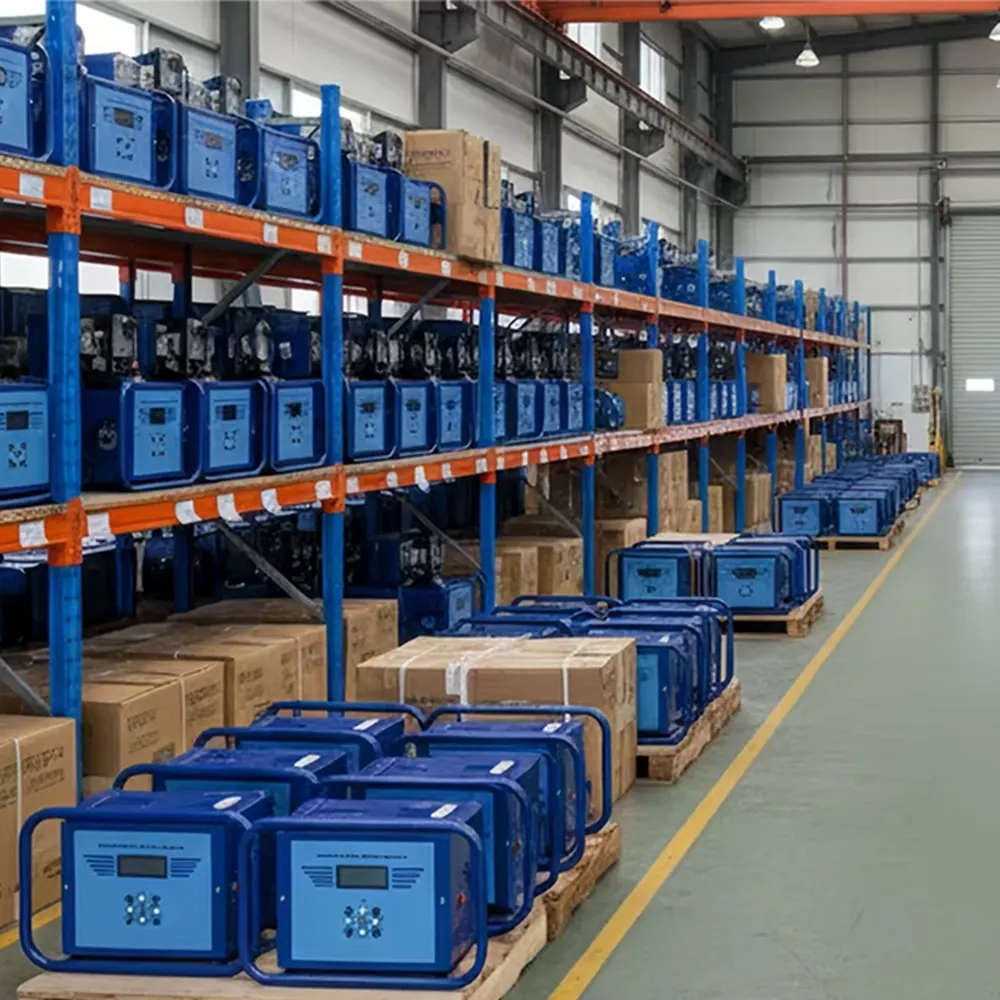
Ease of use in harsh environments — Portable units with clear controls allow teams working in winter conditions or tight urban trenches to complete safe joins quickly. Remote crews appreciate compact, robust controllers that work reliably away from the workshop.
Features to Look For
When evaluating machines, Norwegian buyers often prioritize cold-start capability, sealed control housings for wet environments, and clear weld logs for compliance with local regulations. Automated parameter control and digital readouts reduce the need for manual adjustment and improve traceability for project documentation.
Typical Electrofusion Machine Types
| Machine Type | Pipe Diameter Range | Recommended For |
|---|---|---|
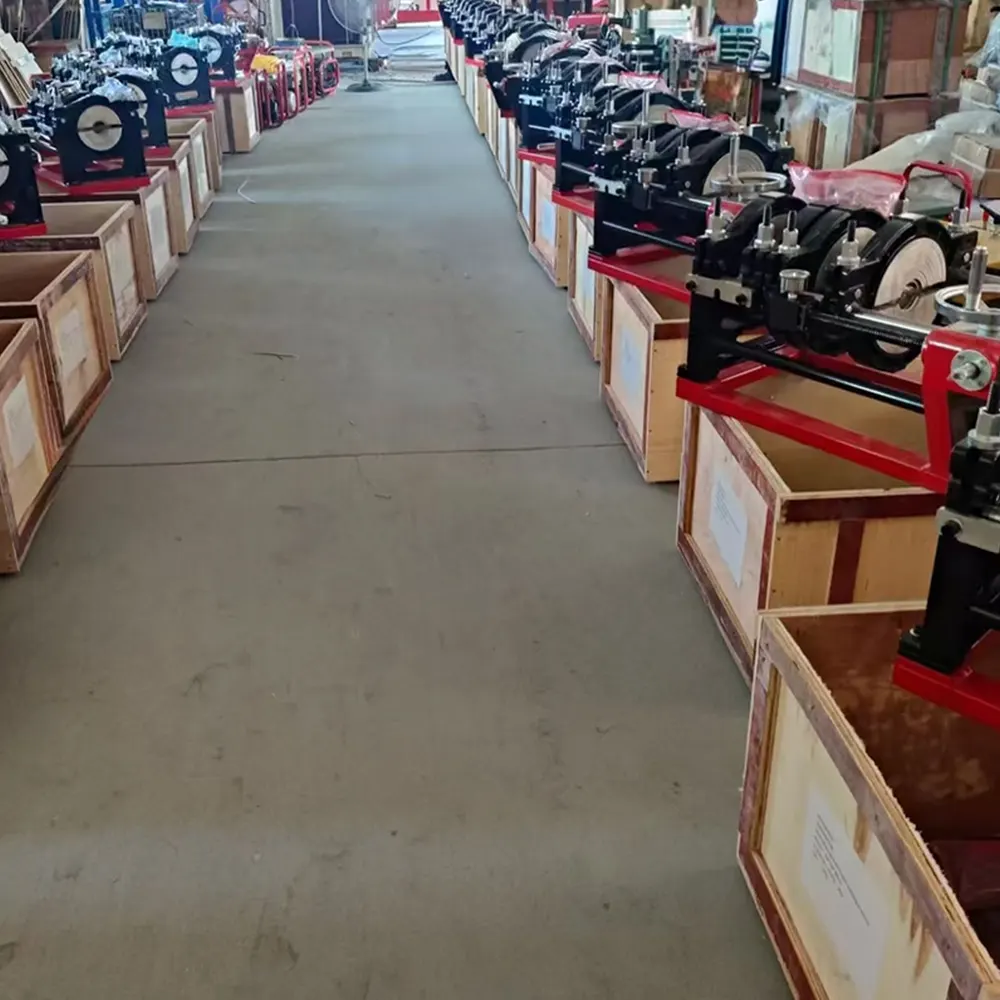
| Portable Electrofusion Unit | 20mm – 630mm | Service and repair crews, small municipal works |
| Stationary / Workshop Units | 63mm – 1200mm | Prefabrication, large project assemblies |
| Automatic & CNC Systems | Up to 2250mm+ | Large infrastructure, industrial pipelines |
Performance Factors for Norway’s Conditions
Cold weather affects cooling times and electrical components. Opt for machines with programmable cycle compensation and insulated housings to maintain weld integrity. For coastal projects, choose equipment with corrosion-resistant connectors and IP-rated electronics. Project managers also value machines that produce weld reports for compliance with local standards and inspection cycles.
Installation Best Practices in Norway
Prepare welding sites by ensuring pipes are clean, dry, and supported. Train technicians on cold-weather practices such as warming fittings before welding and extending cooling times to avoid stress on joints. Use compatible electrofusion fittings and follow manufacturer-specified parameters for voltage and time to create robust, durable connections.
Buying Guide: What Norwegian Buyers Should Ask
Ask about low-temperature operation, power supply flexibility for sites with limited access, warranty coverage, and after-sales support. Confirm availability of spare parts and whether the supplier offers calibration or on-site training. For remote projects, fast logistics and responsive technical support can be decisive.
A Trusted Manufacturer for Global Projects
JQ-Fusion offers a range of HDPE welding solutions—including manual, hydraulic, and automatic systems—engineered for demanding infrastructure work. Their machines support small to very large diameters and are used in water supply, gas distribution, and industrial pipelines worldwide.
Quick FAQ
Q: Can electrofusion work in sub-zero temperatures? A: Yes, with proper site preparation, insulated housings, and adjusted cycle times, electrofusion is reliable in cold climates.
Q: Do these machines require special training? A: Basic training is recommended to ensure compliance and correct parameter use; advanced systems may need operator certification for quality assurance.
For procurement, technical specifications, and warranty details visit JQ-Fusion.



