
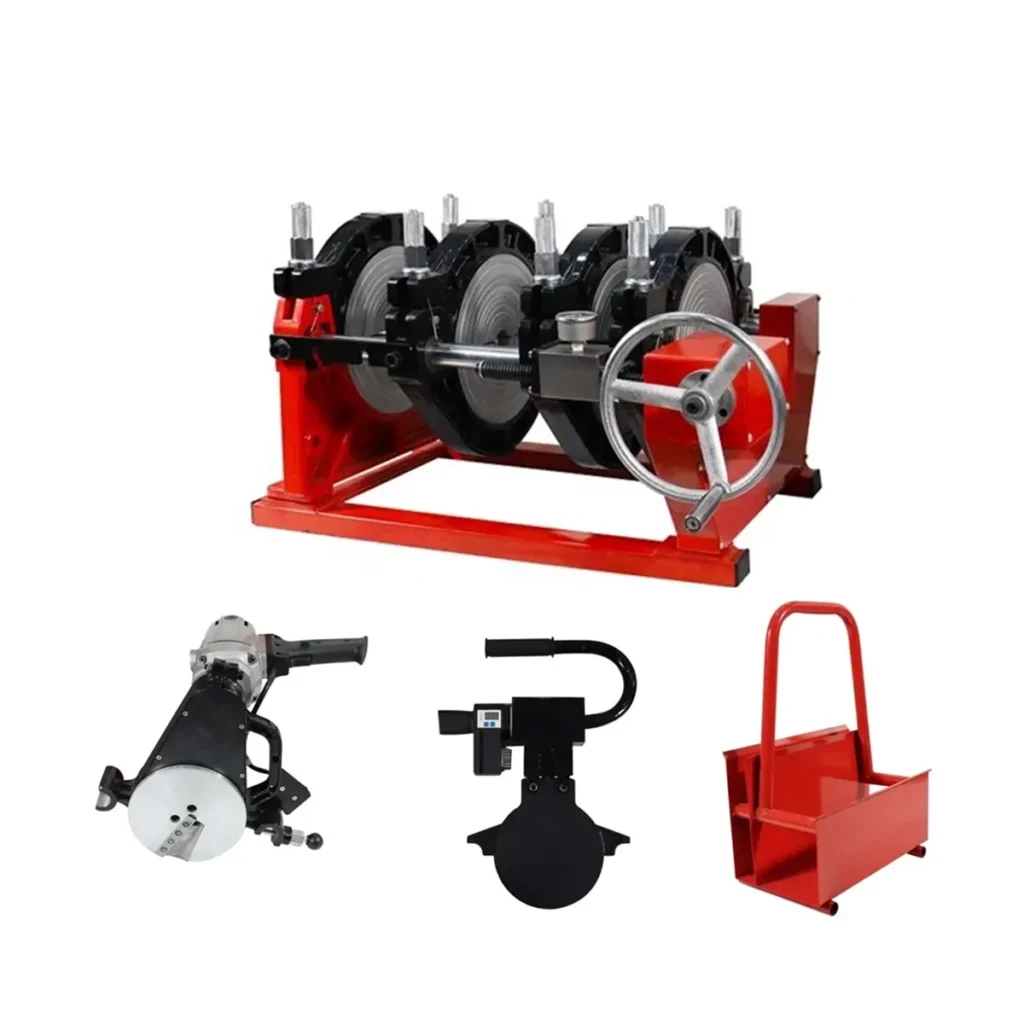
Spain’s infrastructure expansion and renovation projects increasingly rely on durable polyethylene pipelines — and selecting the right HDPE fusion machine is essential for reliable, long-term performance. This guide explains what Spanish contractors, municipal crews, and industrial fabricators should consider when choosing a butt fusion solution for water, gas, irrigation, and industrial pipework.
Why reliable HDPE fusion machines matter in Spain
From coastal desalination plants to mountain water networks and urban gas distribution, Spanish projects demand welding equipment that delivers consistent, certified joints. Machines that offer repeatable heating profiles, precise alignment and easy field operation reduce rework and downtime — a priority for regional contractors and public utilities. In addition, compliance with European directives (including CE marking) and traceable welding records are often required on tendered projects.
Common machine types and where they fit
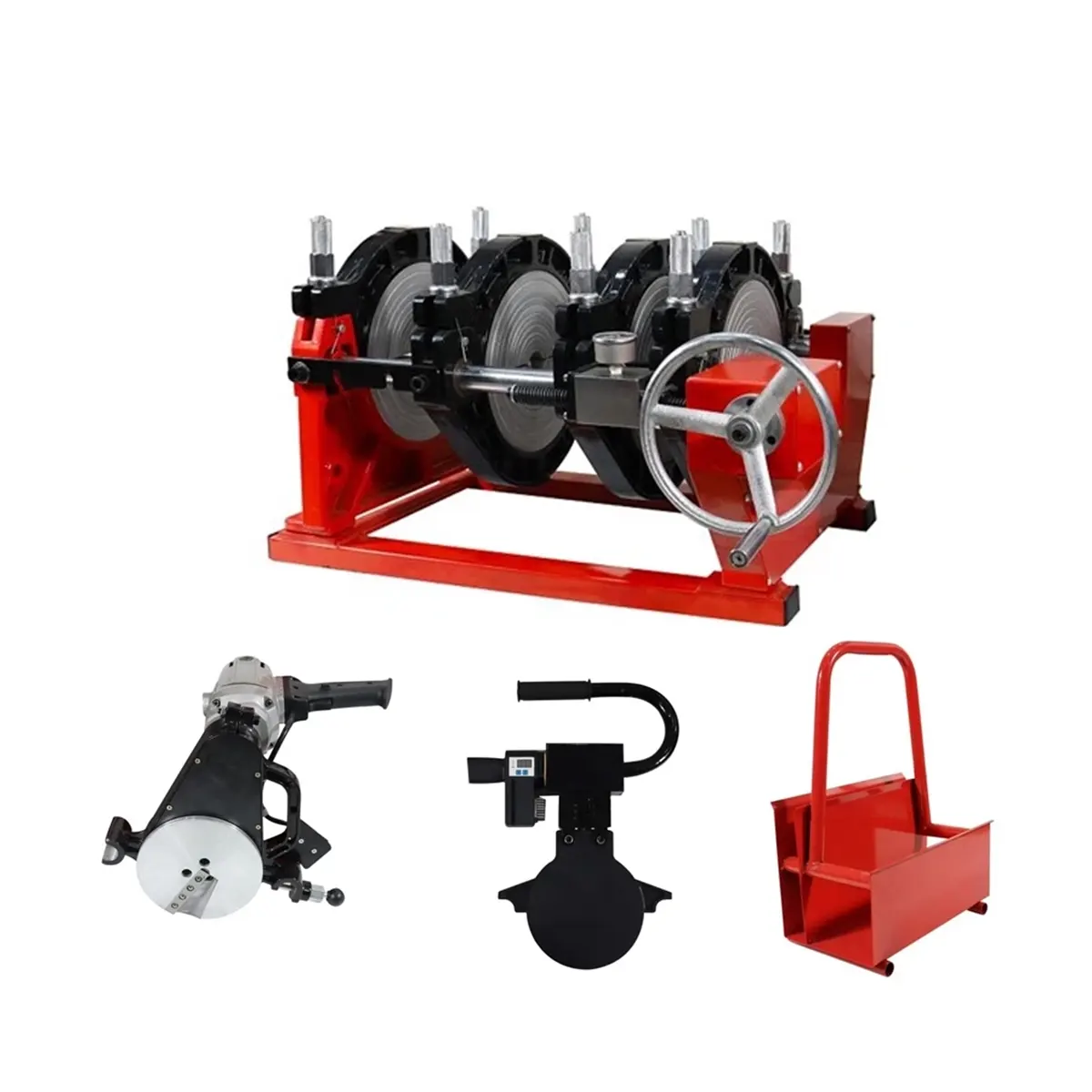
Manual butt fusion machines are compact, portable and ideal for remote job sites and small-diameter pipe repairs common in rural irrigation works. Hydraulic machines suit medium to large diameter mains with higher clamping force and faster cycle times, favored by municipal crews. For large-scale plant or contractor yards, automatic/CNC butt fusion systems provide data logging, automated weld cycles and maximum repeatability for high-volume pipeline installation.
Quick comparison
| Machine Type | Ideal Use | Key Advantage |
|---|---|---|
| Manual | Small repairs, remote sites, irrigation lines | Portability & low cost |
| Hydraulic | Urban mains, medium-large diameter pipelines | Higher force and faster cycles |
| Automatic / CNC | Large projects, factory prefabrication, quality-controlled sites | Data logging & precision |

What Spanish contractors prioritize
Contractors and installers in Spain typically evaluate machines on three fronts: portability for varied terrains (from Canary Islands sites to inland mountain villages), proven durability for salty coastal environments, and traceable welding logs to meet municipal contracting requirements. Ease of maintenance, availability of spare parts and clear user manuals in Spanish are also decisive factors for faster site turnover.
Installation, training and field support
Local training for machine operation and maintenance shortens start-up time and improves weld quality. Look for suppliers that provide on-site commissioning, remote technical support and readily available consumables (heaters, scrapers, clamps). For international deliveries to Spain, consider vendors experienced with logistics to Spanish ports and inland transport to construction sites.
Applications across Spanish regions
Typical uses include potable water mains in Madrid and Barcelona suburbs, irrigation networks in Andalusia and Murcia, municipal gas distribution upgrades in Basque Country and Catalonia, and industrial piping for mining and renewable energy projects in northern Spain. Each application emphasizes different machine capabilities — from compact designs for narrow streets to heavy-duty frames for large-diameter pipelines.
Selecting the right partner
Choose manufacturers and suppliers that combine robust machine design, compliance with European standards and responsive after-sales service. For reliable butt fusion solutions designed for global infrastructure projects and available to Spanish clients, consider equipment manufactured by JQ-Fusion.
Pro tip: When tendering, specify the required pipe size range, expected daily weld counts and any data logging or certification needs to receive accurate equipment recommendations and quotes.


