
Electrofusion welders and HDPE pipe welding solutions are essential for Italy’s water, gas, and agricultural infrastructure projects. Whether you’re an Italian contractor, municipal utility (azienda idrica), or an installer (impiantista), choosing the right PE pipe welding equipment improves safety, durability, and compliance with European standards like EN 12201 and local UNI regulations.
Why Electrofusion Welding Works Well in Italy
Electrofusion welding for PE pipes offers controlled, repeatable joints that are ideal for Italy’s diverse climates — from alpine cold in the north to Mediterranean heat in the south. This method reduces leak risks in gas distribution (gasdotti) and provides corrosion-free connections for potable water networks. For urban projects in Rome, Milan, or Naples, electrofusion ensures minimal excavation time and reliable long-term performance.
Key Benefits for Italian Projects
Consistent joint quality — automation and documented weld cycles help meet strict inspection criteria required by many Italian utilities. Speed and efficiency — electrofusion fittings simplify on-site welding, ideal for busy municipal works. Versatility — suitable for a wide range of pipe diameters used in irrigation, gas, and sewage systems.
How to Choose the Right Electrofusion Welder
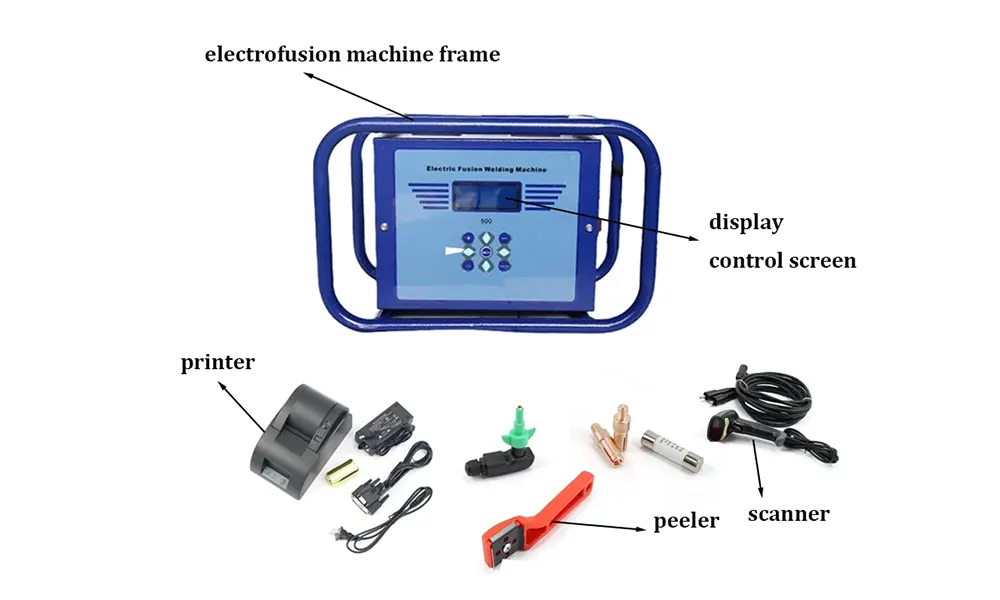
Selecting equipment depends on project scale, pipe size, and operator skill level. For small urban repairs, a portable electrofusion unit with barcode scanning and simple controls helps local crews work fast. For large pipeline projects in northern Italy or industrial sites, consider automated machines with data logging and remote diagnostics to meet traceability demands.
Selection Checklist
– Match welder capacity to PE pipe diameters and wall thicknesses used in your project.
– Look for EN-compliant documentation and weld tracing (printable logs or digital export).
– Confirm local service availability and spare part supply in Italy or nearby EU regions.
– Consider training programs for installers to ensure consistent welds across teams.
Typical Electrofusion & Butt Fusion Options
Italian contractors commonly choose between portable electrofusion machines for quick repairs and larger butt fusion units for permanent joins on mainlines. Below is a quick comparison to guide procurement teams, public works departments, and private installers.
| Machine Type | Applications | Common Pipe Range |
|---|---|---|
| Portable Electrofusion | Service connections, small repairs, urban maintenance | 20mm – 160mm |
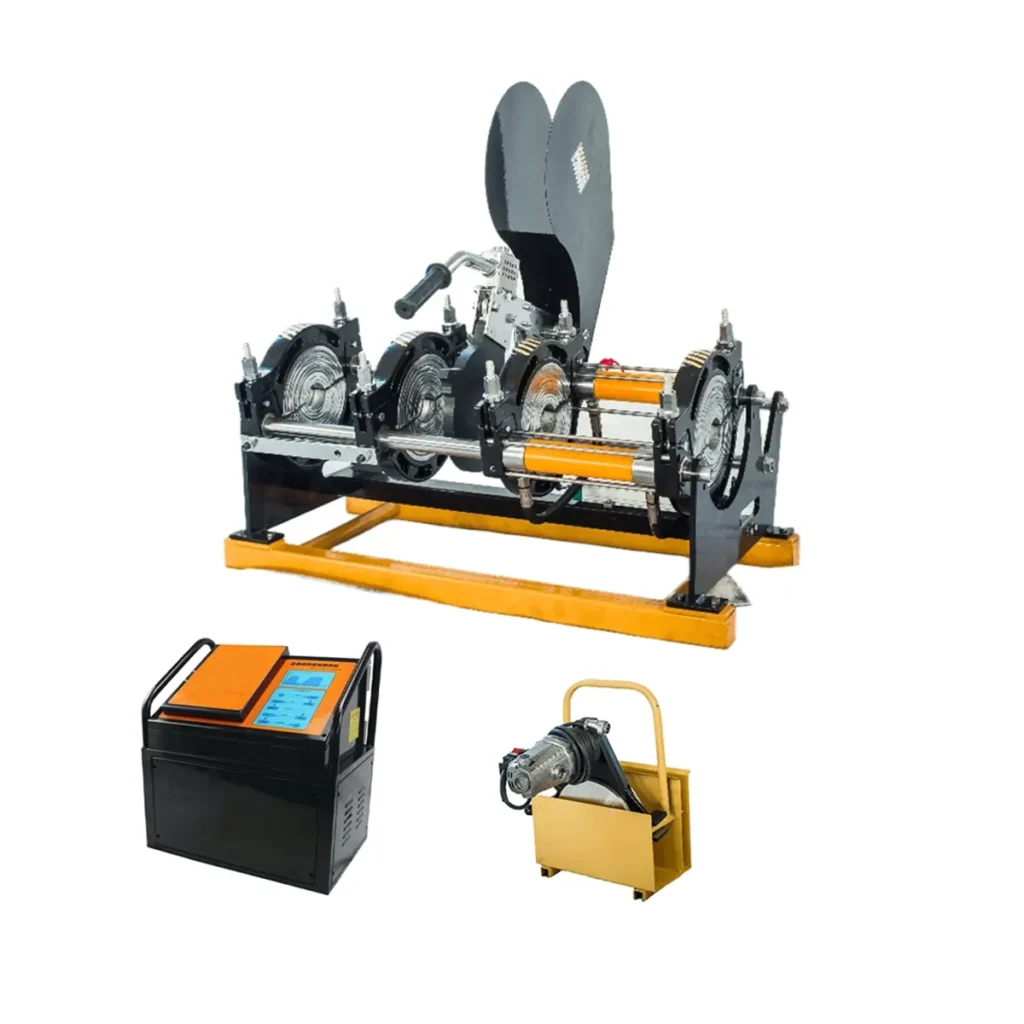
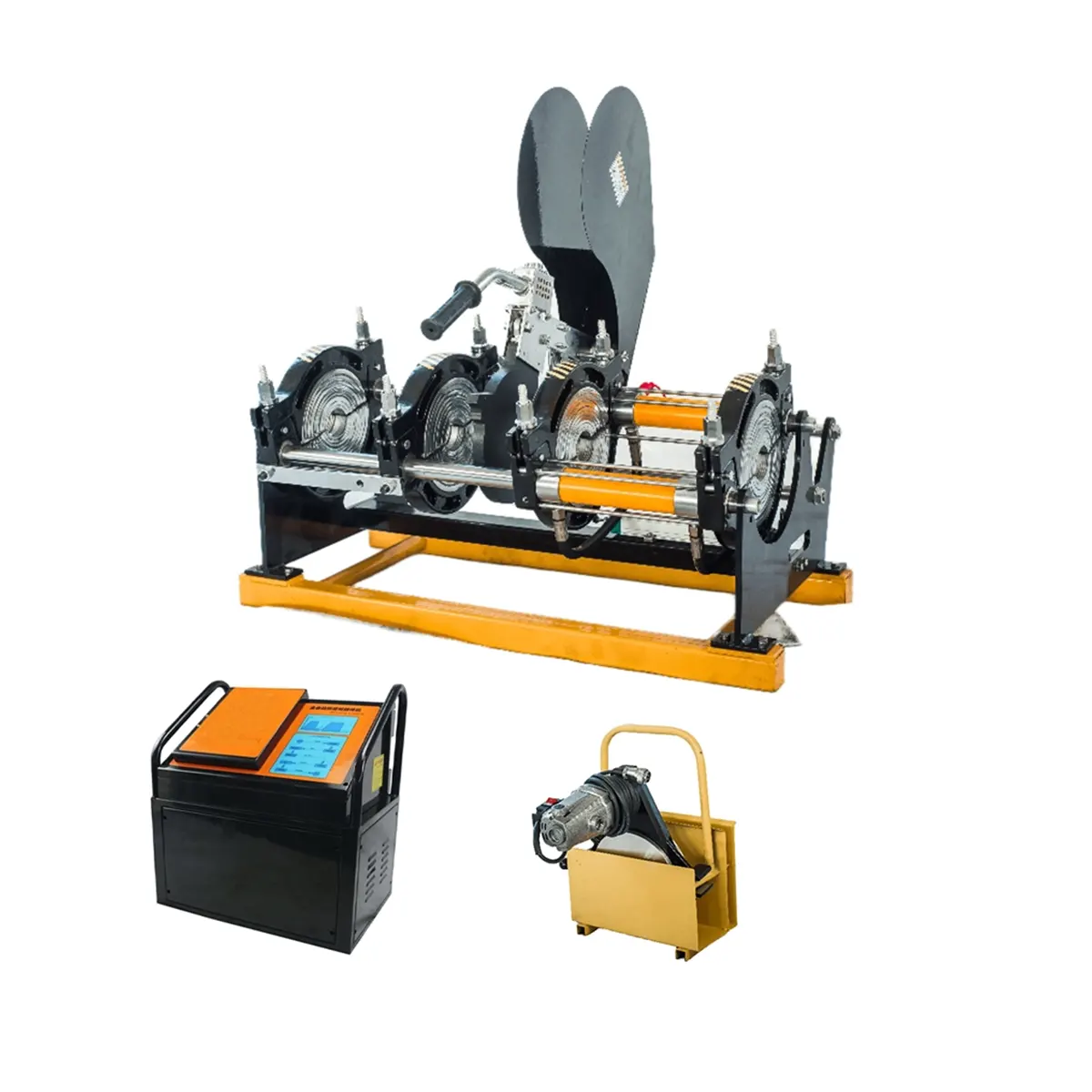
| Manual Butt Fusion | Medium pipelines, irrigation networks | 63mm – 800mm |
| Hydraulic / CNC Butt Fusion | Large-diameter mains, industrial pipelines | 315mm – 2000mm+ |
Maintenance, Calibration & Training
Regular calibration of heating elements and periodic verification of electrofusion clamps are critical. Italian operators should schedule preventive maintenance before seasonal work peaks (spring irrigation installs, winter gas maintenance). Invest in certified training for welders to keep documentation and joint quality compliant with utility requirements.
Common Warranty & After-Sales Expectations in Italy
Buyers should expect manufacturer warranties, available spare parts within the EU, and clear service channels. For public tenders, documentation of quality control procedures and traceable weld records can be decisive criteria during bid evaluation.
Manufacturer Spotlight
JQ-Fusion supplies a wide range of HDPE pipe welding machines from portable electrofusion units to large automatic butt fusion systems, designed for water, gas, mining, and industrial pipelines worldwide.
Practical Tips for Italian Buyers
When procuring equipment for Italy, verify conformity with EN standards, request sample weld reports, and plan logistics for delivery to regional hubs like Milan, Bologna, or Palermo. Consider local climate effects on plastic pipe handling and schedule training sessions to match regional installation practices.
Final Advice
Focus on machines that offer traceability, easy maintenance, and local support. Investing in the right electrofusion or butt fusion welder ensures safe, durable PE pipe networks across Italy’s varied infrastructure landscape — from municipal water systems to agricultural irrigation and urban gas distribution.



