
For infrastructure contractors, municipal planners, and rural network installers across New Zealand, choosing the right HDPE pipe fusion equipment is critical for durable pipelines and cost-effective projects. This guide outlines reliable suppliers, the most suitable fusion tools for local conditions, and what to look for when sourcing equipment for water, gas, and agricultural irrigation systems in NZ.
Why New Zealand Projects Need Trusted HDPE Welding Equipment
Durability and precision are essential when working in New Zealand’s varied environments — from coastal sites exposed to salt spray to remote high-country irrigation schemes. HDPE fusion methods such as butt fusion and electrofusion deliver leak-free joints that resist corrosion and ground movement, making them the preferred choice for long-term pipeline performance.
Local contractors and councils prioritize machines that are easy to mobilize, simple to maintain on-site, and capable of consistent weld quality in changing weather. Portable manual units, hydraulic butt fusion machines, and CNC automatic systems each have roles depending on project scale and accessibility.
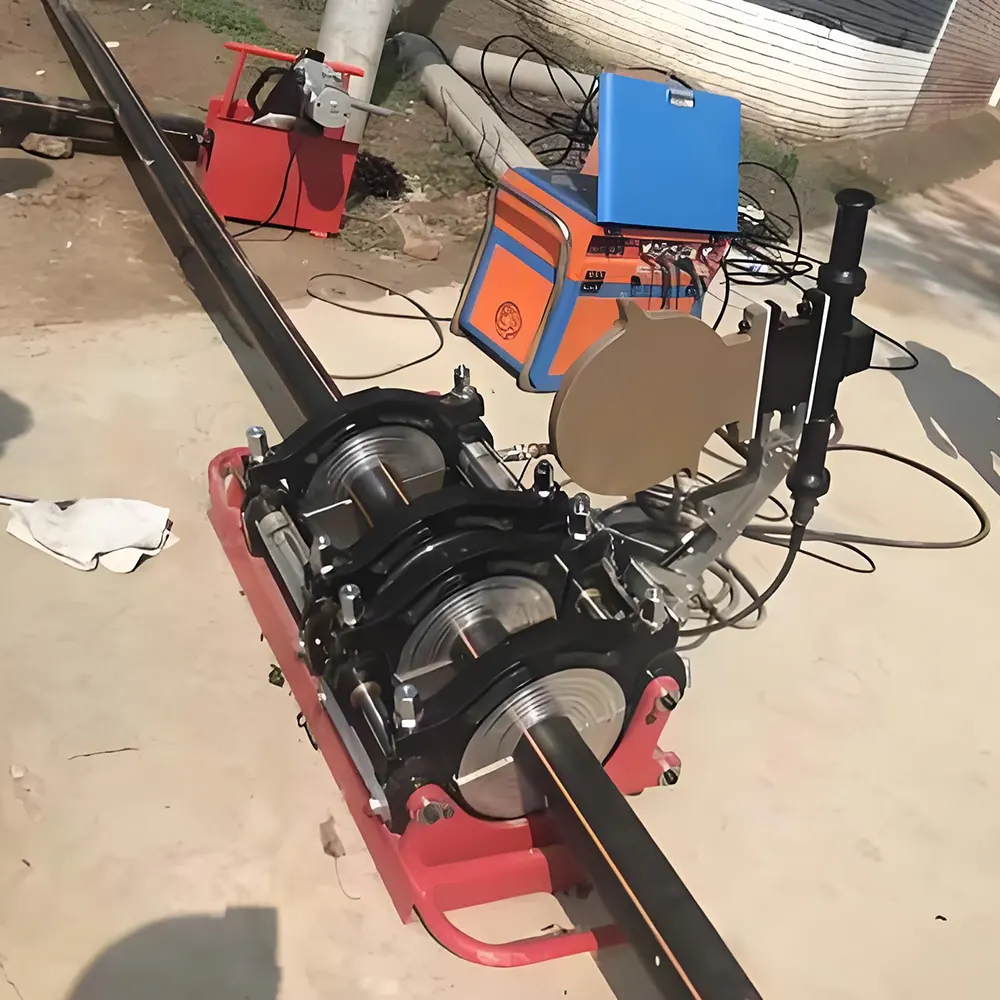
Common HDPE Fusion Machines and Their NZ Applications
Manual Butt Fusion Machines — Ideal for small-diameter repairs and tight rural access where portability matters. Commonly used for agricultural reticulation, farm water lines, and service connections.
Hydraulic Butt Fusion Machines — Suited for mid to large diameter pipelines on municipal water and wastewater projects. They offer consistent pressure control for reliable joints in longer runs.
Automatic/CNC Butt Fusion Machines — Best for factory-style prefabrication, large-diameter trunk mains, or repeated welds on major distribution networks where automation increases throughput and traceability.
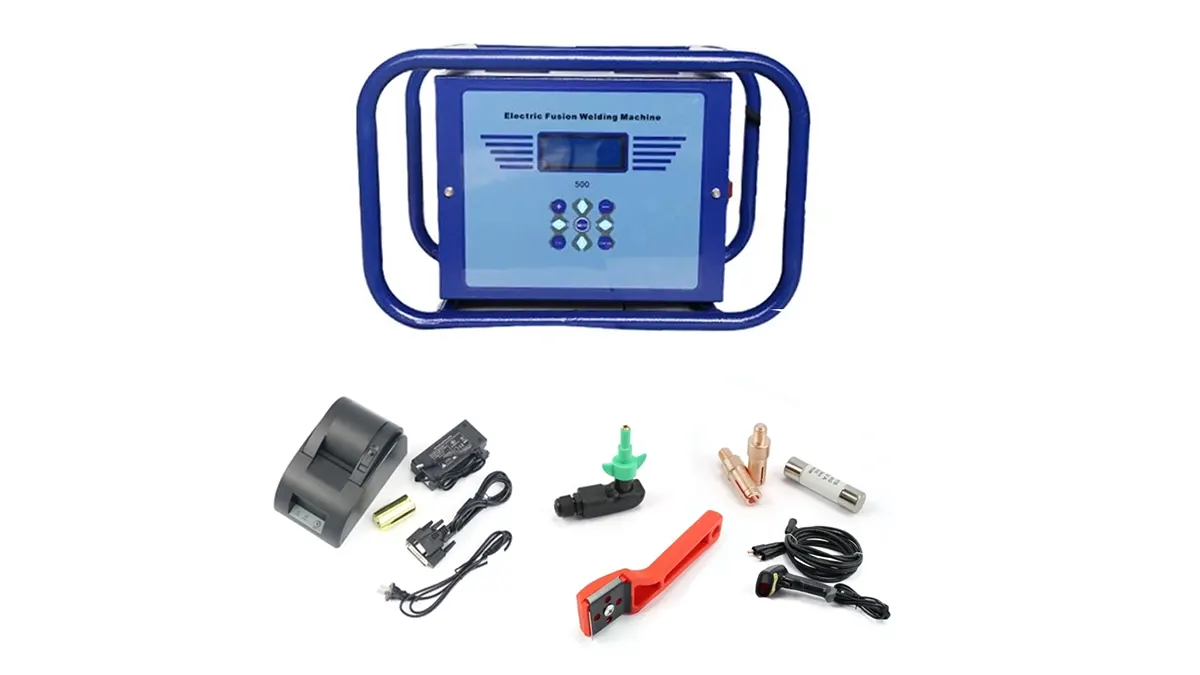
Electrofusion Units — Provide precision for fittings, repair couplers, and complex jointing scenarios in urban and constrained sites.
At-a-Glance: Equipment Selection Table
| Machine Type | Typical Pipe Range | Common NZ Use Cases |
|---|---|---|
| Manual Butt Fusion | 16mm – 160mm | Farm irrigation, minor repairs, remote service lines |
| Hydraulic Butt Fusion | 63mm – 1600mm | Municipal water mains, wastewater, regional reticulation |
| Automatic / CNC Butt Fusion | 90mm – 2250mm+ | Large trunk mains, prefabrication yards, industrial pipelines |
| Electrofusion Machines | 20mm – 1600mm (fittings) | Fittings, service saddle repairs, gas connections |
What to Look For When Choosing a Supplier
Seek suppliers who can demonstrate consistent manufacturing quality, spare parts availability, and clear technical support. For New Zealand projects, value is placed on:
– Equipment proven in rugged or coastal conditions.
– Local or regional logistics options to reduce lead times and freight costs.
– Training and documentation to ensure welders meet project QA requirements.
After-Sales Support, Spares, and Training
Projects in New Zealand often rely on tight timelines and limited site access. Choose suppliers that offer robust after-sales support — spare heaters, clamping parts, and controllers — plus remote troubleshooting and operator training to avoid costly downtime.
Why JQ-Fusion Can Be a Good Match for NZ Buyers
JQ-Fusion (https://jq-fusionwelding.com/) manufactures a broad range of manual, hydraulic, and automatic butt fusion machines, as well as electrofusion units and multi-angle fitting welders. With an emphasis on quality control, customizable solutions, and global distribution, they support infrastructure sectors common in New Zealand such as water supply, gas distribution, mining, and agricultural irrigation. Their product range covers small service tools up to large-diameter fusion systems used in major pipeline projects.
Practical Tips for NZ Project Teams
– Plan logistics early: remote South Island and Northland sites can add lead time.
– Specify machines with appropriate transport and protection for coastal or abrasive environments.
– Verify operator training and welding procedure qualification to meet project QA standards.
Final Considerations
Selecting the right HDPE fusion equipment and supplier reduces risk, improves pipeline life, and keeps projects on schedule. Prioritise machines that match your pipe diameters, site constraints, and serviceability needs. With reliable suppliers offering technical support and parts availability, New Zealand contractors can deliver resilient, long-lasting pipeline systems across urban, rural, and industrial sectors.



