
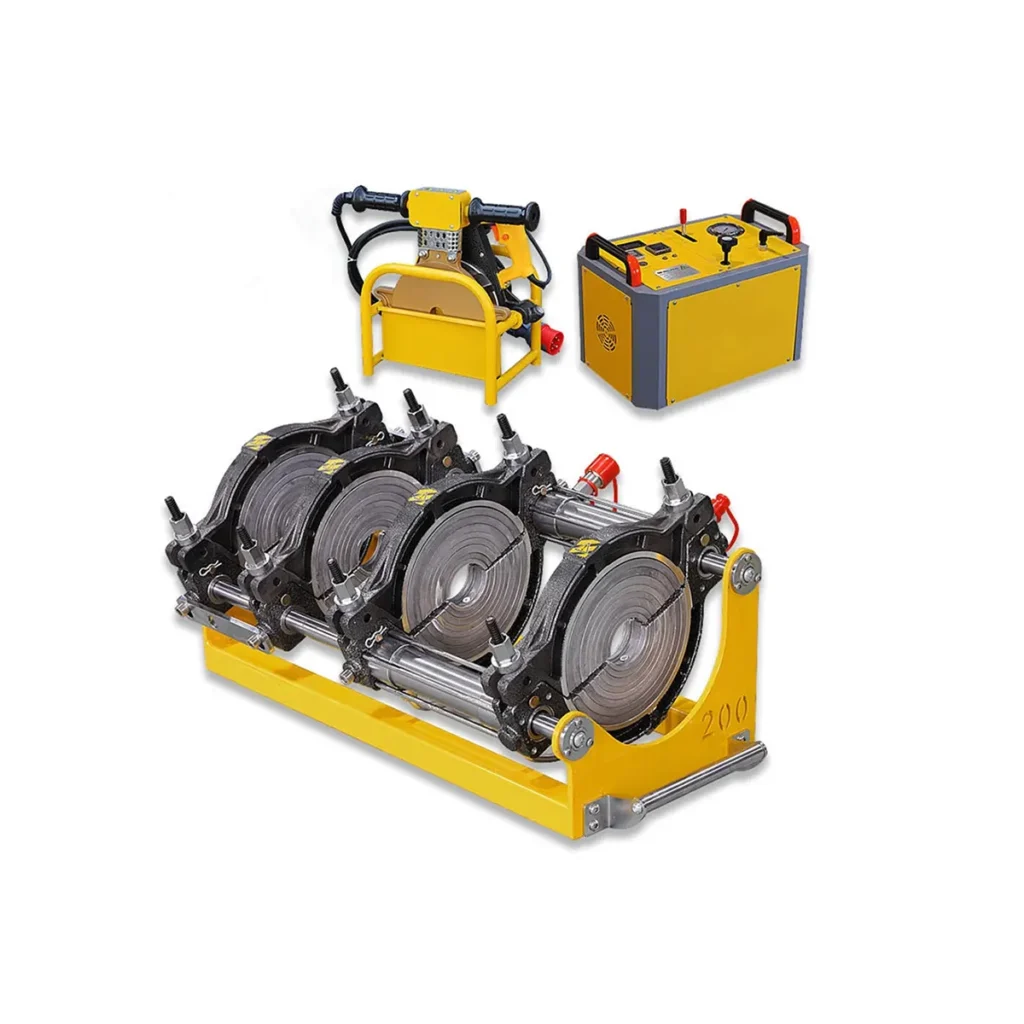
Kenya’s rapid infrastructure growth — from urban water networks in Nairobi to rural irrigation and county-level gas distribution projects — has driven demand for robust polyethylene welding machines capable of reliable HDPE pipe fusion under varied field conditions.
Why Polyethylene Welding Machines Matter for Kenyan Projects
Choosing the right welding equipment directly affects pipeline integrity, life-cycle costs, and project timelines. Butt fusion and electrofusion technologies are the backbone of modern HDPE pipeline installation. For civil contractors, municipal utilities, and NGO-driven water programs across Kenya, machines that deliver consistent, certified joints are essential to reduce leaks and maintenance in both urban and off-grid environments.
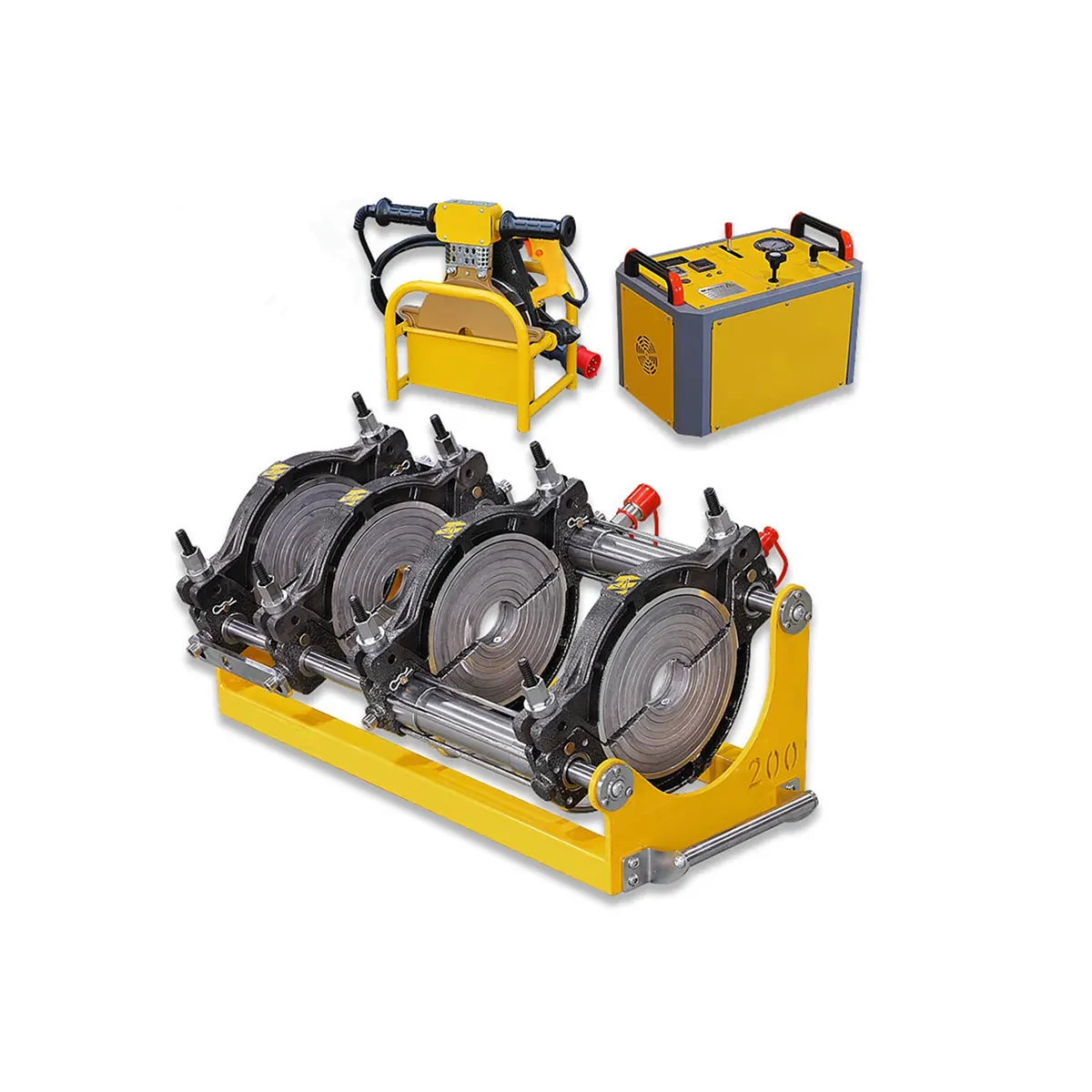
Key Features to Look For
Durability: Machines must withstand Kenya’s range of climates — from coastal humidity in Mombasa to the cooler highlands. Look for corrosion-resistant components and sealed controls.
Versatility: Support for a wide pipe diameter range (small service lines to large trunk mains) and both manual and automated operation modes improves onsite flexibility.
Ease of Use: Intuitive controls and clear welding records help local crews maintain quality and meet regulatory requirements.
Popular Machine Types and Typical Use Cases
Different projects need different machines:
Manual Butt Fusion — ideal for small-diameter service connections and remote sites with limited power.
Hydraulic Butt Fusion — best for medium to large pipelines where consistent pressure and alignment are critical.
Automatic/CNC Butt Fusion — recommended for long runs and high-volume installations to improve speed and traceability.
Electrofusion — convenient for repairs, fittings, and situations requiring localized heating solutions.
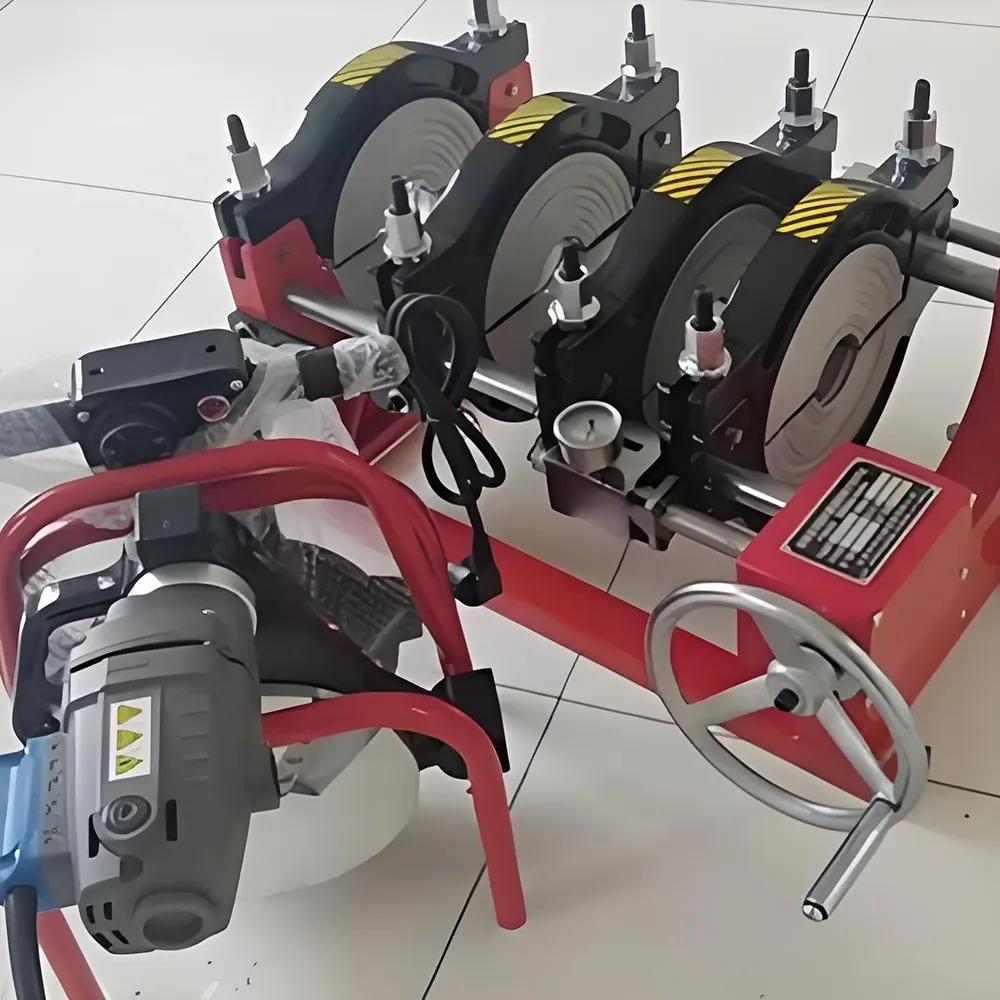
Model Comparison at a Glance
| Model | Pipe Range (mm) | Best For |
|---|---|---|
| Manual SY Series | 20–160 | Remote service lines, field repairs |
| Hydraulic JQH Series | 160–1600+ | Main distribution, municipal projects |
| Automatic JQA Series | 63–1250 | Large-volume installations, industrial pipelines |
Procurement Tips for Kenyan Buyers
When sourcing polyethylene welding machines locally or importing them into Kenya, consider: warranty & spare parts availability, training for operators, local service partners, and compliance with international welding standards. Reliable traceability and weld logging are increasingly required for donor-funded and government projects.
Maintenance, Spare Parts & Training
Preventive maintenance plans and availability of consumables (heating plates, seals, clamps) reduce downtime on busy construction schedules. Investing in operator training for correct welding procedures ensures long-term pipeline performance and reduces rework costs.
Support & Where to Learn More
For tailored solutions that match Kenya’s diverse project needs — from county water networks to large industrial pipelines — consider manufacturers who provide technical documentation, on-site commissioning, and responsive spare parts supply. Visit JQ-Fusion for detailed product specifications and service options.
Next steps: evaluate your pipe diameters, expected project scale, and onsite power conditions. Choose a welding machine type that balances portability, automation, and local serviceability to maximize uptime and joint quality across Kenya’s varied installation environments.



