
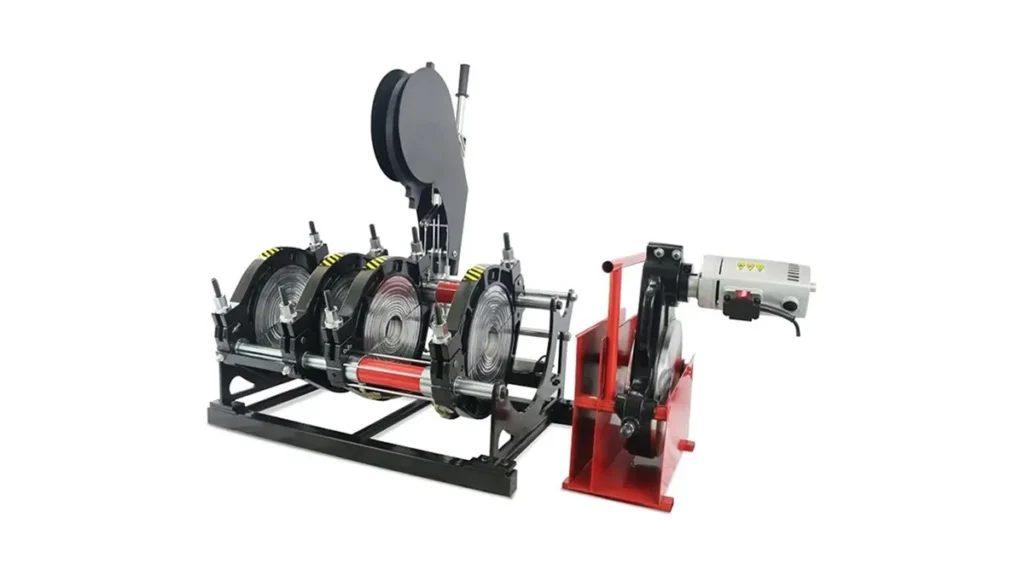
HDPE pipe welding has become a cornerstone of modern infrastructure projects — from potable water distribution and gas networks to mining slurry lines and trenchless rehabilitation. This guide explores common HDPE welding methods, real-world engineering applications, and practical considerations for selecting machines and procedures that deliver durable, leak-free joints.
Why HDPE is Preferred in Modern Engineering
High-density polyethylene (HDPE) offers a unique combination of flexibility, chemical resistance, low weight, and long service life, making it ideal for pipelines subject to ground movement, corrosive soils, or abrasive slurries. Engineers choose HDPE for:
- Longevity: Typical service life exceeds 50 years under normal conditions.
- Corrosion resistance: No rusting, ideal for aggressive soils and chemicals.
- Flexible installation: Long continuous runs with fewer fittings reduce leak points.
- Low maintenance: Fusion joints are homogeneous and often stronger than the pipe itself.
Primary HDPE Welding Methods
Selecting the correct fusion technique depends on pipe diameter, field conditions, and project speed requirements. The most common methods are:
- Butt fusion: End-to-end heating with a platen; excellent for diameters from small (2000 mm) with the appropriate equipment.
- Electrofusion: Uses fittings with embedded heating elements; ideal for repairs, complex fittings, and restricted spaces.
- Socket fusion & saddle fusion: Common for small-diameter connections and service laterals.
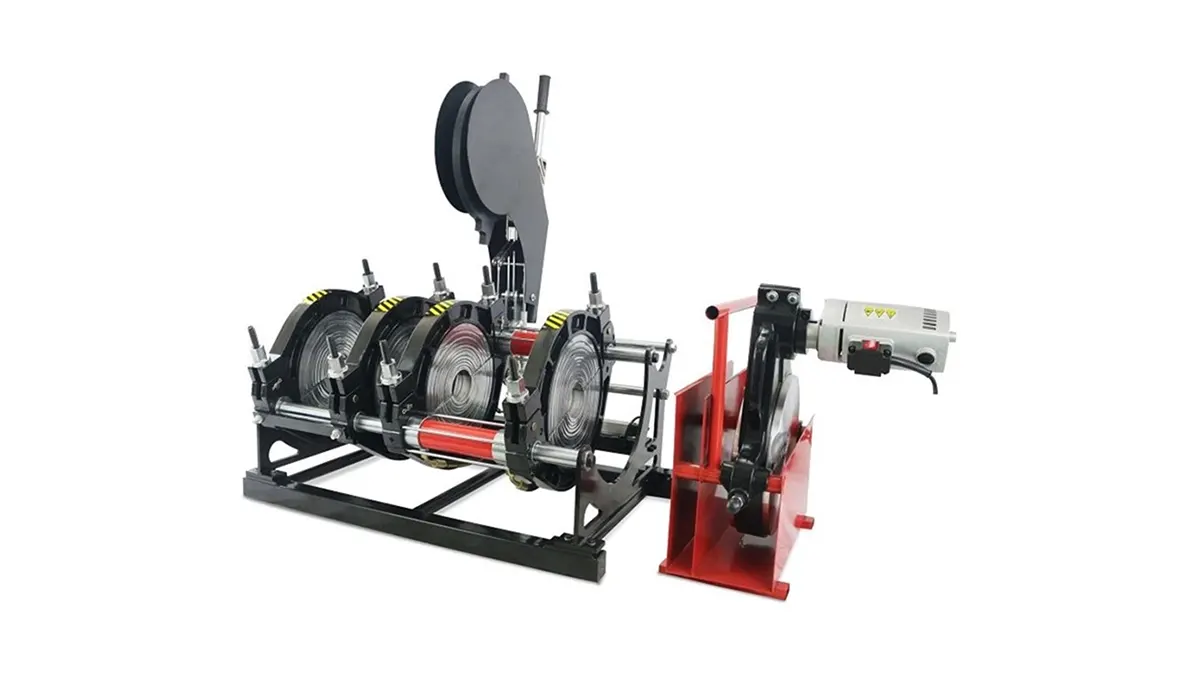
Machine Types — Quick Comparison
| Machine Type | Typical Range (mm) | Best For |
|---|---|---|
| Manual Butt Fusion | 20–315 | Field repairs, small contractors |
| Hydraulic Butt Fusion | 63–2000+ | Large-diameter pipelines, high-consistency joints |
| Automatic / CNC Butt Fusion | 63–1250 | High-volume production, controlled welding parameters |
Key Applications and Use Cases
1. Water Supply and Distribution
Municipal potable water networks and regional water transfer mains frequently use HDPE for its corrosion resistance and ability to support long continuous runs. Typical installations use butt fusion for new mains and electrofusion for service connections. Benefits include lower joint failure rates and simplified maintenance.
2. Gas Distribution
Medium- and low-pressure gas pipelines favor HDPE because of its leak-tight fusion joints and flexibility in seismic zones. Strict welding controls and certified procedures are essential to meet industry safety standards.
3. Mining and Slurry Transport
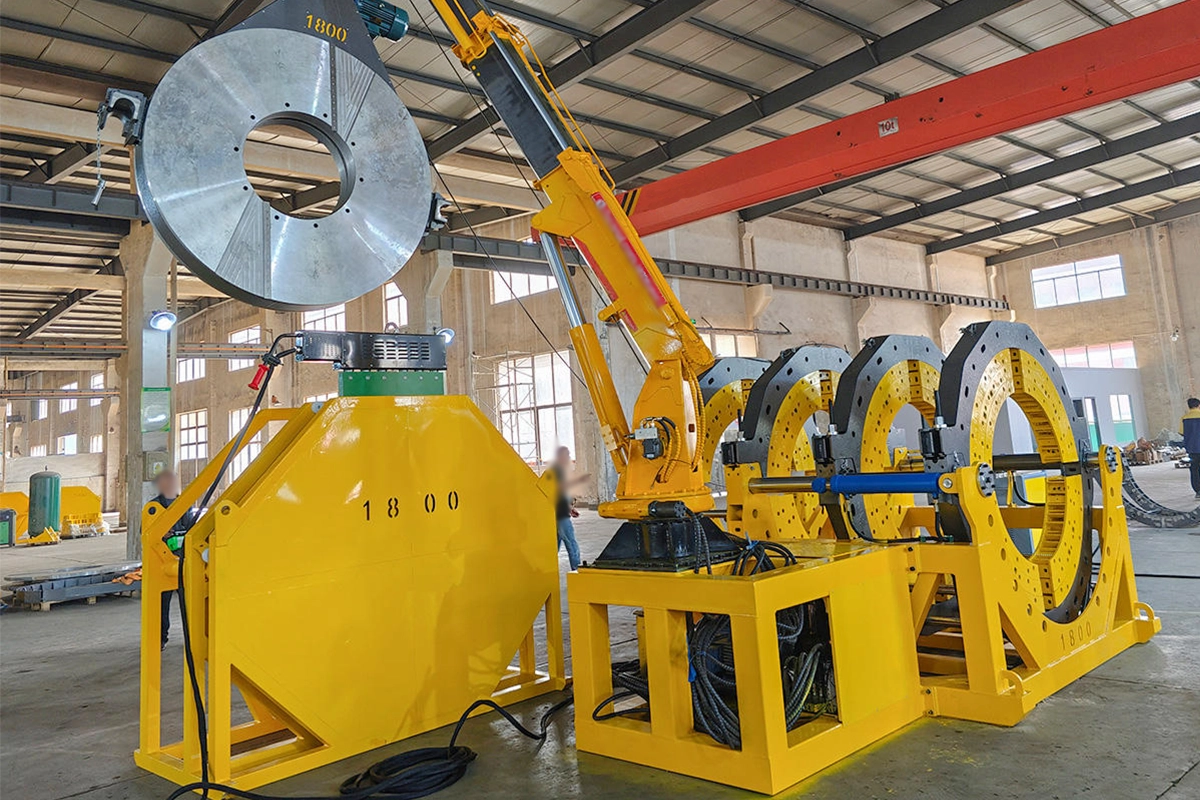
HDPE’s abrasion-resistant formulations and the robustness of fusion welds make it a top choice for slurry lines, tailings pipelines, and process water circuits in mining operations. Large-diameter hydraulic butt fusion machines are often deployed on-site for efficient installation.
4. Industrial and Chemical Piping
HDPE resists many chemicals used in industrial processes. Fusion techniques provide chemically compatible, seamless joints that reduce risk of leaks in process piping and tertiary containment systems.
5. Agriculture and Irrigation
Flexible HDPE pipes with electrofusion fittings are widely used for irrigation mains, drip systems, and pump connections. The lightweight nature of HDPE simplifies field handling and reduces installation costs.
6. Trenchless Installation & Rehabilitation
Trenchless technologies (HDPE sliplining, directional drilling) benefit from long, continuous HDPE strings and fusion welding that minimizes leak points. For rehabilitation projects, electrofusion and butt fusion are used depending on access and pipe diameter.
Standards, Quality Control & Best Practices
To ensure long-term reliability, engineering teams should implement documented welding procedures, operator certification, and nondestructive testing where appropriate. Key checkpoints include:
- Material verification and melt flow index checks
- Surface preparation and alignment
- Welding parameter logging (temperature, pressure, time)
- Cooling time management and visual inspection of fusion beads
Practical Tips for Project Managers
Plan for machine selection early: Match the welding machine capacity to pipe diameters and expected daily joint counts. Provide secure power, trained operators, and quality tools for field calibration. For turnkey supply of butt fusion machines and support, consider contacting JQ-Fusion for professional options tailored to project scale.
When to Use Automatic Fusion Machines
Choose automatic or CNC butt fusion machines when repeatable, documented weld parameters are required for high-volume installations, or when traceable welding logs are needed for regulatory compliance.
Final Considerations
HDPE welding delivers robust, long-lived pipeline solutions across sectors. By combining the right fusion method, certified operators, and appropriate equipment, engineers can achieve cost-effective, leak-resistant systems that meet modern infrastructure demands.



