
In Moldova’s evolving infrastructure landscape, polyethylene (HDPE) pipe welding machines play a critical role in modernizing water distribution, expanding rural gas networks, and supporting irrigation systems for agriculture. Choosing reliable welding equipment helps local contractors, municipal utilities, and project owners deliver long-lasting joints that withstand Moldova’s cold winters and freeze-thaw cycles.
Why Moldova Needs Reliable HDPE Welding Solutions
Moldova faces a mix of urban renovation projects and rural expansion programs funded by international donors and EU partners. Aging cast-iron and metal pipelines are increasingly replaced with HDPE for its corrosion resistance and flexibility. For local engineers and installers, the right butt fusion or electrofusion machines mean faster installation, fewer leaks, and lower lifetime maintenance costs.
Key Local Drivers
Municipal water authorities, private contractors, and agricultural cooperatives prioritize equipment that performs under seasonal temperature changes and in remote locations with limited workshop facilities. Portability, durable hydraulics, and easy-to-follow controls are high on the list for Moldovan projects where on-site conditions vary widely.
Types of Welding Machines Suitable for Moldovan Projects
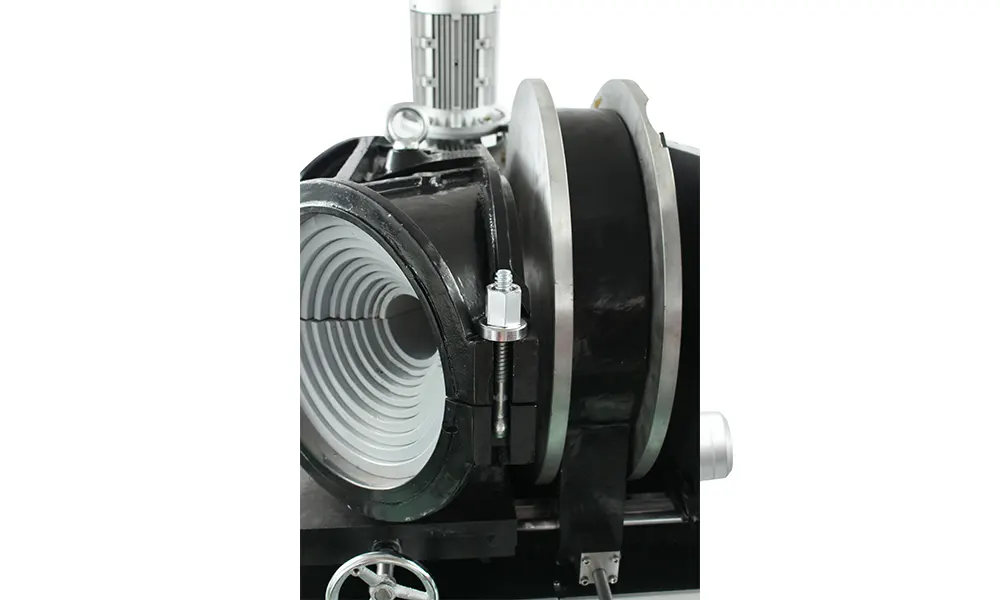
Different project scales require different machines: hand-held or manual units for small repairs and rural works; hydraulic machines for medium pipelines in town networks; and CNC automatic butt fusion units for high-volume or large-diameter installations. Multi-angle fitting machines are increasingly used where complex connections and fittings are required for irrigation and industrial lines.
Performance Considerations
Look for machines that provide consistent heating, precise alignment, and documented weld records. In Moldova, ease of maintenance and access to spare parts can dramatically reduce downtime on contracts that are time-sensitive or weather-dependent.
Comparison Table — Common Models & Best Uses
| Model | Type | Pipe Range | Best For | Key Feature |
|---|---|---|---|---|
| Manual Butt Fusion | Manual | 63–400 mm | Rural repairs, small contractors | Lightweight, easy transport |
| Hydraulic Butt Fusion | Hydraulic | 160–1600 mm | Municipal networks, contractors | Stable pressure control for reliable joints |
| Automatic/CNC Butt Fusion | Automatic | 50–630 mm+ | Large projects, record-keeping | Weld log export and precise control |
Why After-Sales and Training Matter in Moldova
Training local crews in correct fusion procedures reduces rework and ensures compliance with international standards. For many Moldovan municipalities and private firms, supplier-led training, accessible documentation in local languages (Romanian/Russian), and a reliable spare parts channel are deciding factors when selecting a manufacturer.
Customization & Practical Tips
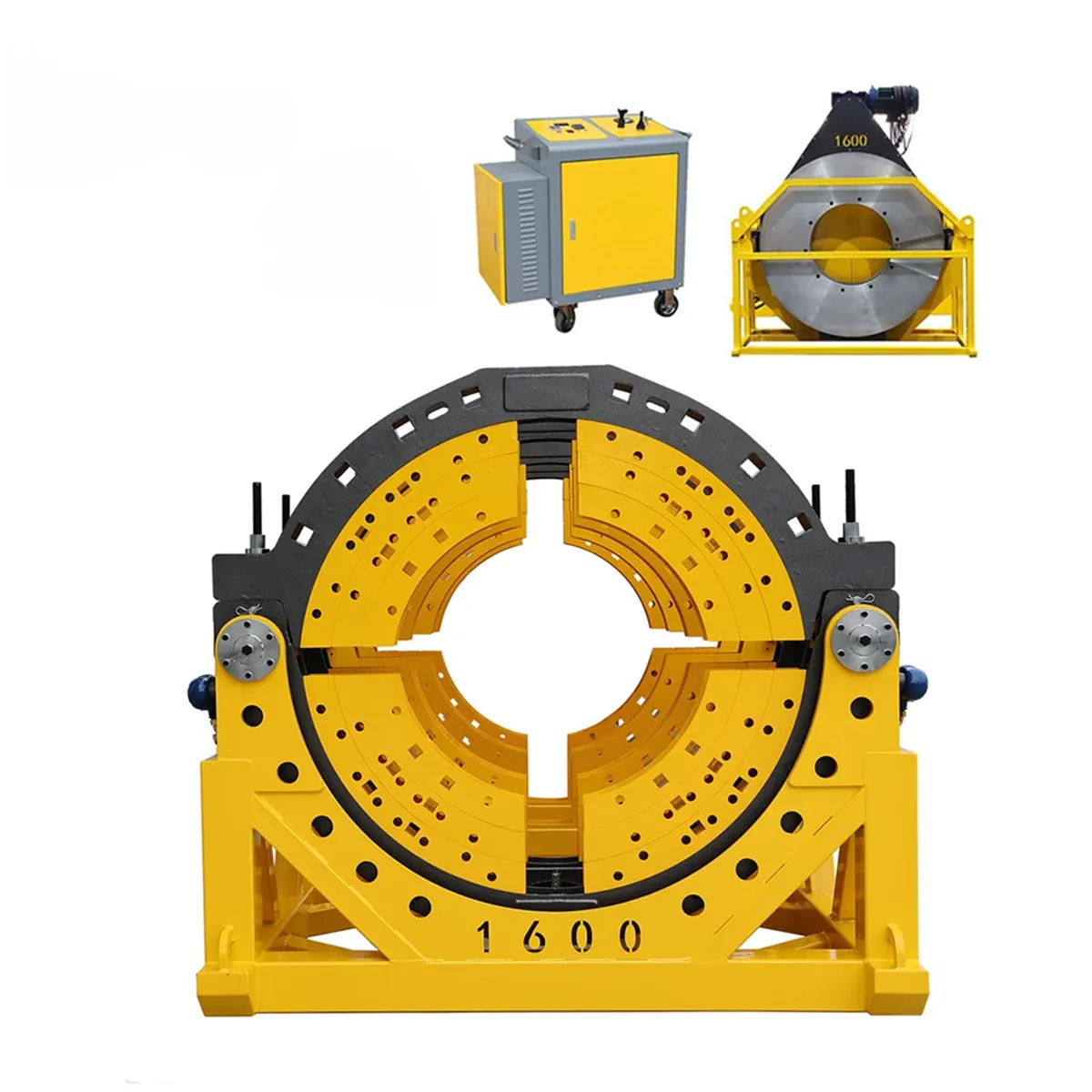
Projects in Moldova often require custom clamping solutions, site-adapted frames for uneven terrain, and multi-angle fittings for irrigation networks. Ask suppliers about modular options that allow upgrades from manual to hydraulic or automated controls as project needs grow.
Selecting a Trusted Manufacturer
Evaluate suppliers based on documented weld quality, local references, warranty terms, and the availability of technical support within the Eastern Europe region. Competitive pricing matters, but total cost of ownership — including training and spare parts delivery times to Moldova — is the true benchmark.
About JQ-Fusion
JQ-Fusion is a professional manufacturer specializing in HDPE pipe welding machines, providing reliable butt fusion solutions for global infrastructure projects. With years of experience, the company produces manual, hydraulic, and CNC automatic butt fusion welding machines across a wide pipe size range, serving water supply, gas distribution, mining, and industrial pipeline needs with customizable, high-quality equipment.
Ready to support Moldovan projects with durable machines and practical on-site guidance, experienced suppliers can help owners and contractors reduce leaks, speed up installation schedules, and meet modern pipeline standards.



