
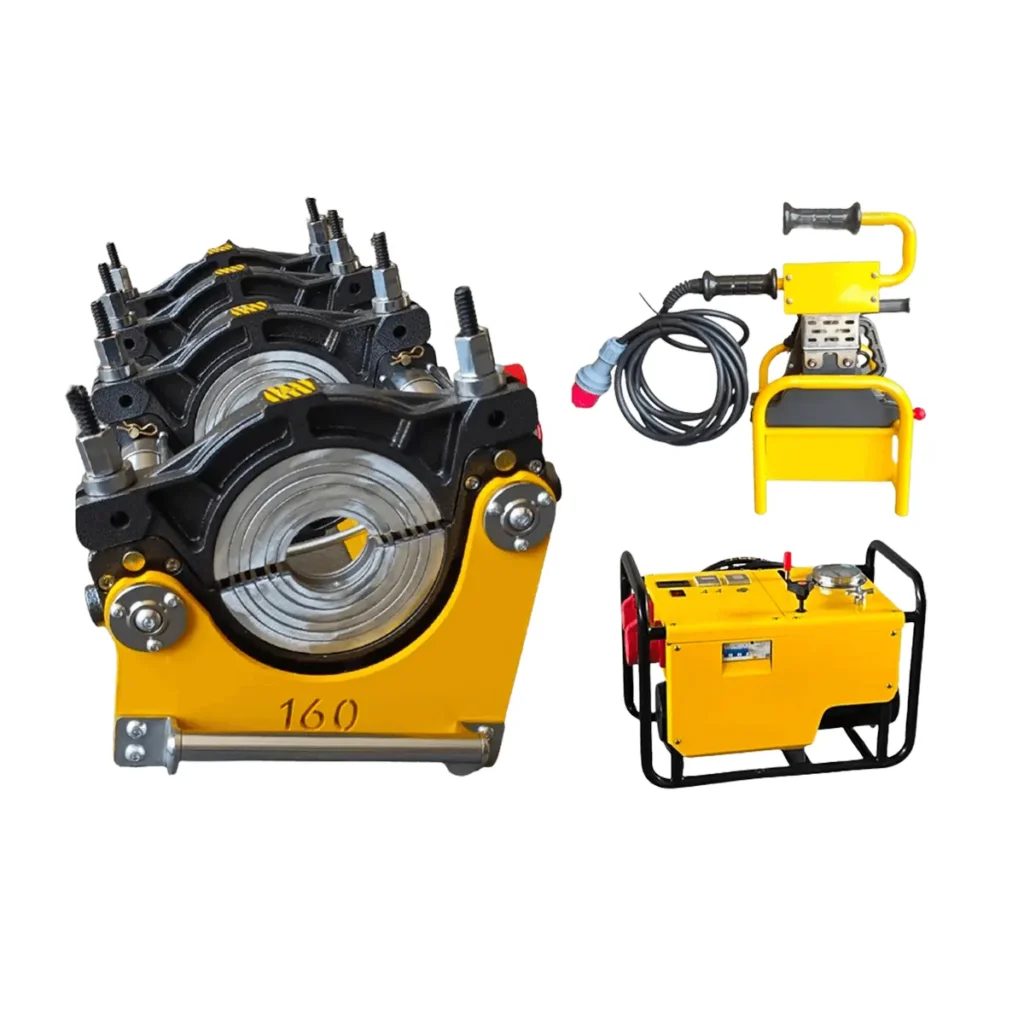
PE industrial butt fusion welding machines are the backbone of modern HDPE pipe installation projects. Reliable fusion equipment delivers consistent, high-strength joints for water, gas, mining and industrial pipeline systems. This guide highlights the performance advantages, typical specifications, operation tips and application scenarios to help contractors and procurement teams choose the right butt fusion solution.
Key Advantages of PE Industrial Butt Fusion Machines
Consistent Joint Quality: A properly calibrated butt fusion machine produces uniform heating and pressure, creating strong, leak-free joints that meet industry requirements for long-term service.
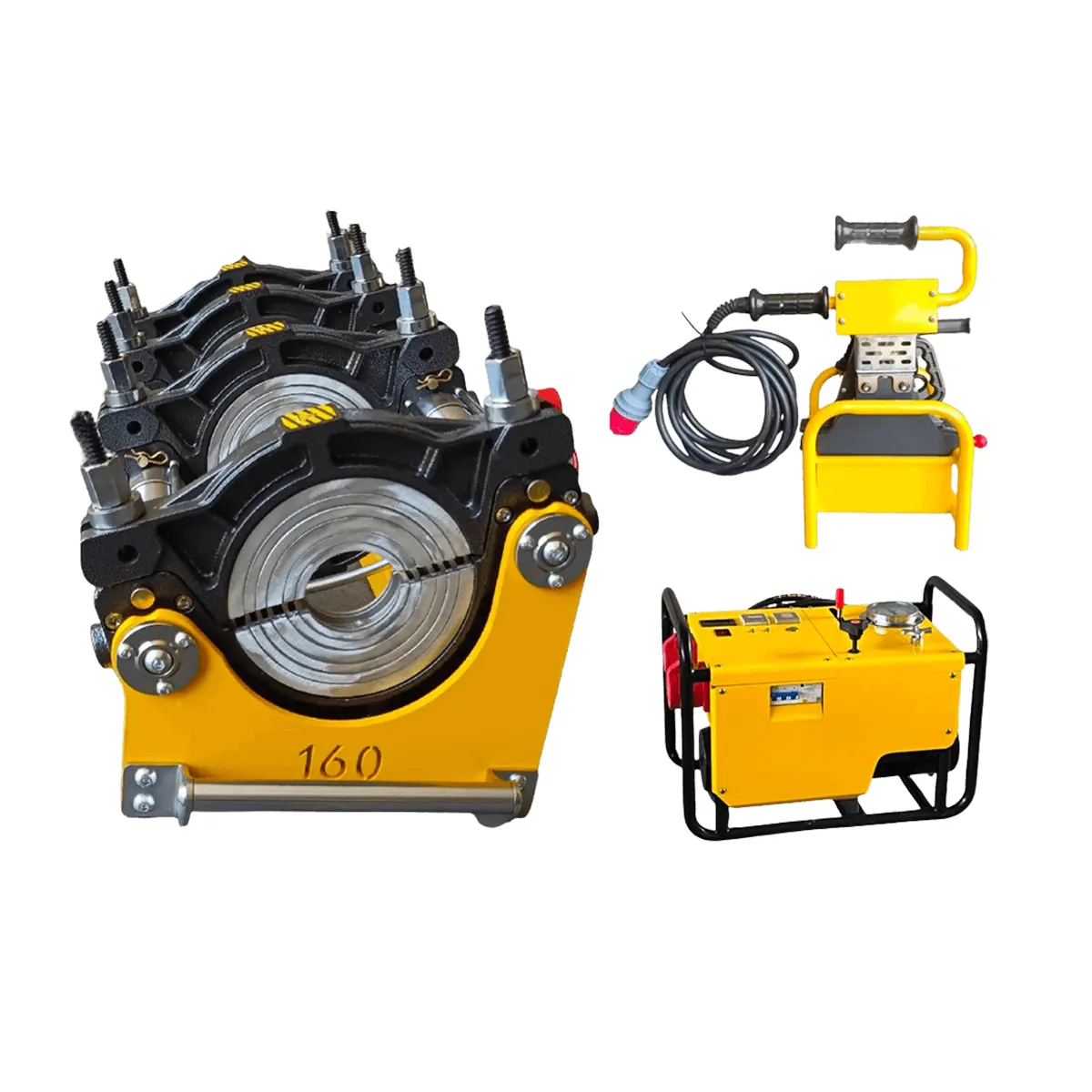
Versatility: Models range from compact manual units for small-diameter repairs to large hydraulic and CNC automatic systems for long production runs and large-diameter piping.
Efficiency & Safety: Modern machines reduce cycle time with accurate temperature control and integrated safety features, improving on-site productivity while lowering rework risk.
Typical Technical Specifications (Representative)
| Parameter | Value / Range |
|---|---|
| Pipe Material | PE-HD / PE80 / PE100 |
| Welding Range | 63mm – 2250mm (model-dependent) |
| Heating Plate Temp. | Up to 260°C (adjustable) |
| Control Type | Manual / Hydraulic / CNC Automatic |
| Power Supply | Electric / Diesel-hydraulic options |
| Typical Cycle Time | 30–90 seconds per joint (varies by diameter & material) |
Primary Applications
Butt fusion machines are used across infrastructure sectors. Common applications include:
- Municipal Water Distribution — reliable, corrosion-free mains and service connections.
- Gas Distribution — joints rated for pressure systems when performed to standards.
- Mining & Industrial Piping — abrasion- and chemical-resistant HDPE pipelines for slurry, tailings and effluent.
- Trenchless and Directional Drilling — lightweight, strong welds suited for pull-in-place pipe installation.
Operation Best Practices
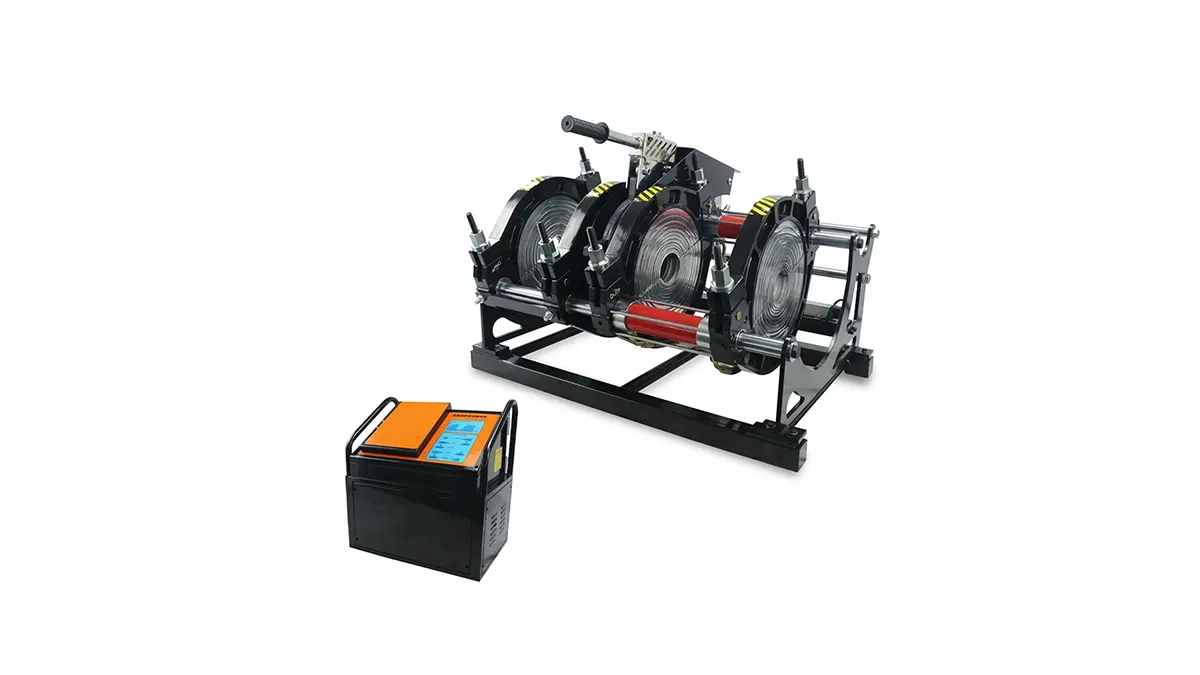
To maximize weld quality, follow these practical steps: ensure pipe ends are clean and square; preheat plates to correct temperature; monitor fusion pressure and soak times; use calibrated instrumentation for critical projects. For high-volume or large-diameter work, automatic CNC systems provide repeatable parameters and on-board logging for quality assurance.
Safety & Compliance
Operators should be trained in butt fusion techniques and PPE use. Adhere to applicable standards such as ISO 21307 / ISO 12176 or local gas/water authority regulations. Safety features like pressure relief systems and guarded heating plates reduce on-site hazards.
Maintenance & Lifecycle Care
Routine maintenance preserves accuracy and extends machine life: keep hydraulic fluids within spec, inspect seals and clamps, calibrate temperature sensors regularly, and replace worn heater plates. Preventive service reduces downtime and keeps weld integrity high.
Choosing the Right Machine
Selection depends on project scale, pipe diameters, and site conditions. For small repairs and tight budgets, manual units are cost-effective. For continuous production, choose hydraulic or automatic models to improve throughput and traceability. Consult product datasheets and request sample weld tests for critical pipelines.
JQ-Fusion manufactures a full range of HDPE pipe welding machines—manual, hydraulic and CNC automatic—designed for global pipeline projects. For model selection, spare parts and after-sales support visit JQ-Fusion.



