
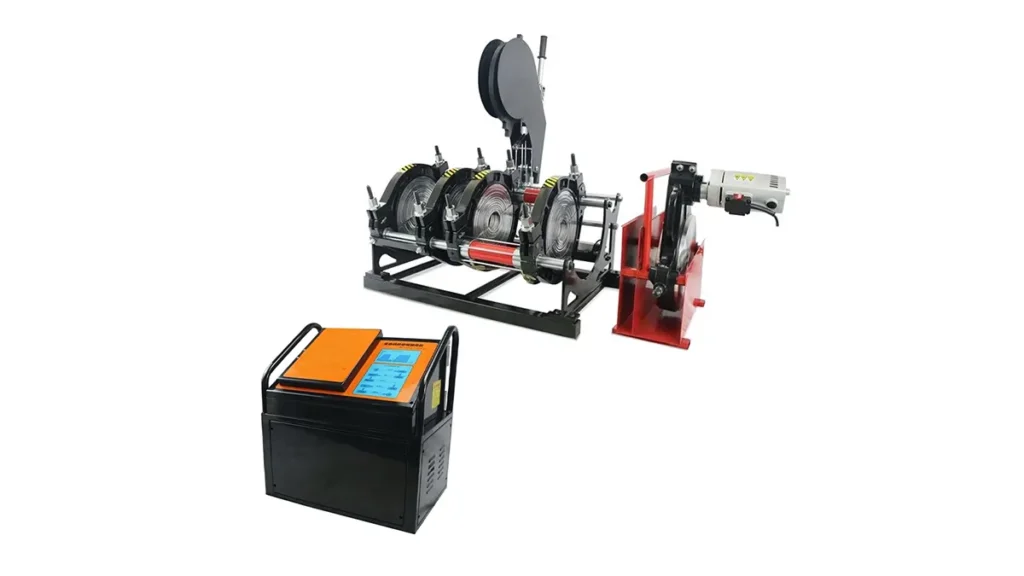
Georgia’s growing infrastructure needs—from municipal water upgrades in Atlanta to rural irrigation systems across the coastal plain—demand reliable polyethylene pipe welding solutions. Contractors, utilities, and civil engineers in Georgia rely on robust welding machines to ensure leak-free joints and long-lasting pipelines. This article outlines the best options for HDPE/PE pipe welding, practical selection tips, and local use cases for dependable plastic pipe fusion.
Why Choose Butt Fusion and Electrofusion for Georgia Projects
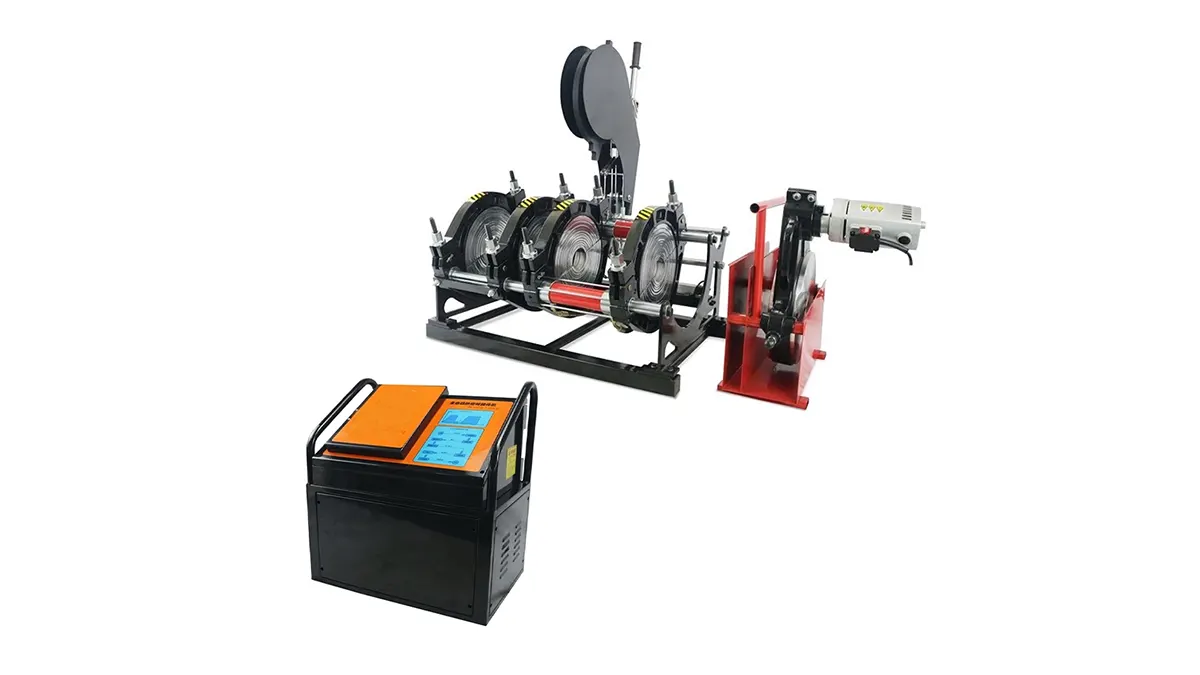
Butt fusion and electrofusion are the two dominant methods for joining PE pipes. Butt fusion creates strong, homogeneous joints suitable for large-diameter water mains and gas distribution lines, while electrofusion excels for fittings, repairs, and confined spaces commonly encountered in urban projects across Atlanta and Savannah.
Key Benefits for Local Contractors and Utilities
Reliable seals — Essential for Georgia’s humid climate and seasonal storm events where pipeline integrity prevents contamination and service interruptions. Durable fusion joints reduce maintenance costs for municipal agencies and private contractors.
Versatility — Machines that handle a wide pipe diameter range support projects from residential service lines to large-diameter transmission mains. Mobility and ease of use help crews working in constrained city streets or remote rural sites.
Application Areas in Georgia
Typical uses include:
- Municipal water distribution and replacement programs.
- Natural gas and LPG distribution upgrades in suburban neighborhoods.
- Agricultural irrigation systems in South Georgia requiring corrosion-resistant PE piping.
- Stormwater and drainage works where long-term joint performance matters.
Choosing the Right Machine — Quick Comparison
| Machine Type | Typical Pipe Range | Best For |
|---|---|---|
| Manual Butt Fusion | 20mm–400mm | Small crews, tight budgets, rural repairs |
| Hydraulic Butt Fusion | 63mm–1250mm | Larger mains, municipal projects |
| Automatic/CNC Butt Fusion | 90mm–2000mm+ | High-volume, precision-controlled fusion |
| Electrofusion | 20mm–630mm (fittings) | Service connections, repairs, complex fittings |
Practical Selection Tips for Georgia Projects
Assess pipe diameter and project scale — For long transmission mains choose hydraulic or automatic machines; for local service lines, manual or electrofusion may suffice. Consider site access — Urban road permits and narrow rights-of-way favor compact units. For agricultural or rural builds, portability and quick setup speed up timelines.
Training, Safety, and Quality Assurance
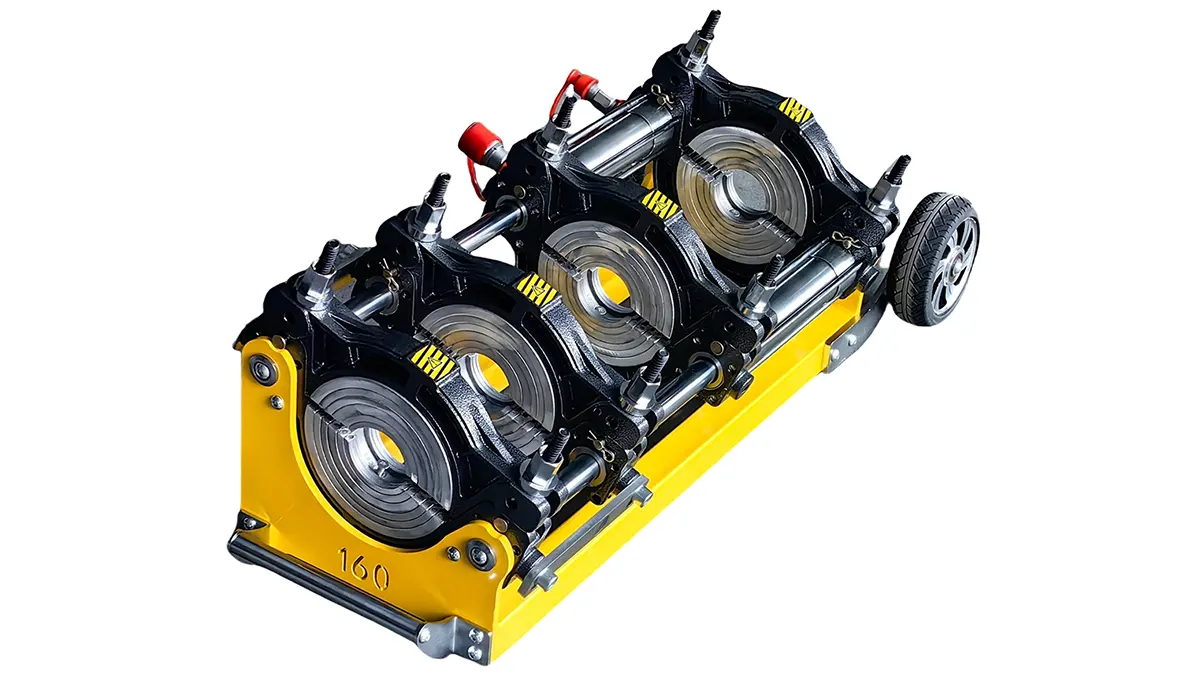
Crews should follow standardized welding procedures and operator training to meet ASTM/ISO guidelines and local utility specifications. Regular calibration of heating plates, cleaning/planing tools, and inspection of fusion parameters ensures repeatable joint quality—important for Georgia utilities that must meet regulatory standards and seasonal demand changes.
Local Support and Procurement
For contractors and utilities in Georgia seeking proven butt fusion technology, consider solutions designed for global infrastructure projects. Learn more about reliable equipment and model options from a professional manufacturer with a focus on HDPE pipe welding by visiting JQ-Fusion.



