
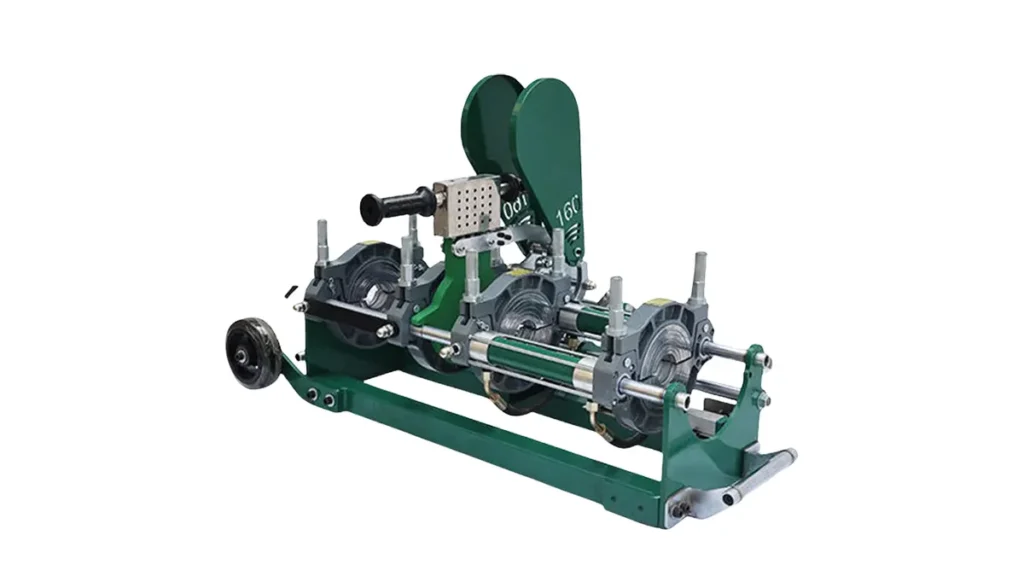
Looking for a reliable poly pipe welder supplier in Cambodia? Whether you’re a municipal works team in Phnom Penh, a rural irrigation contractor in Kampong Cham, or a construction firm building resilient infrastructure, choosing the right HDPE welding equipment is critical for durable pipeline networks and long-term project success.
Local Solutions for Cambodian Water, Gas and Agriculture Projects
Poly pipe welding has become the preferred method for joining HDPE pipes across Cambodia due to its leak-free joints, corrosion resistance, and long service life. From urban water distribution upgrades to farm irrigation systems in the Mekong floodplain, high-quality butt fusion and electrofusion machines deliver consistent performance under local conditions.
Machine Types & Recommended Uses
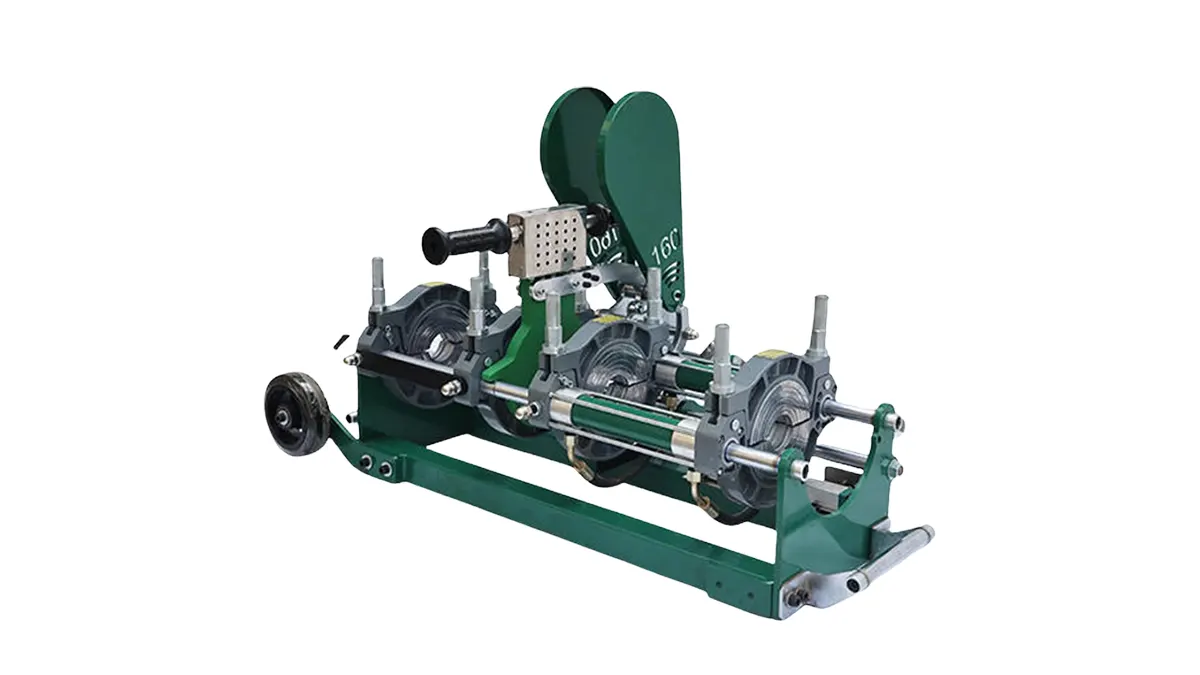
Choose a welding system that matches your project scale and operator skillset. Common options include manual, hydraulic, and CNC automatic butt fusion machines, plus electrofusion units for fittings and repairs.
| Type | Pipe Range | Best For | Key Features |
|---|---|---|---|
| Manual Butt Fusion | 20mm–400mm | Small sites, repair work | Lightweight, portable, cost-effective |
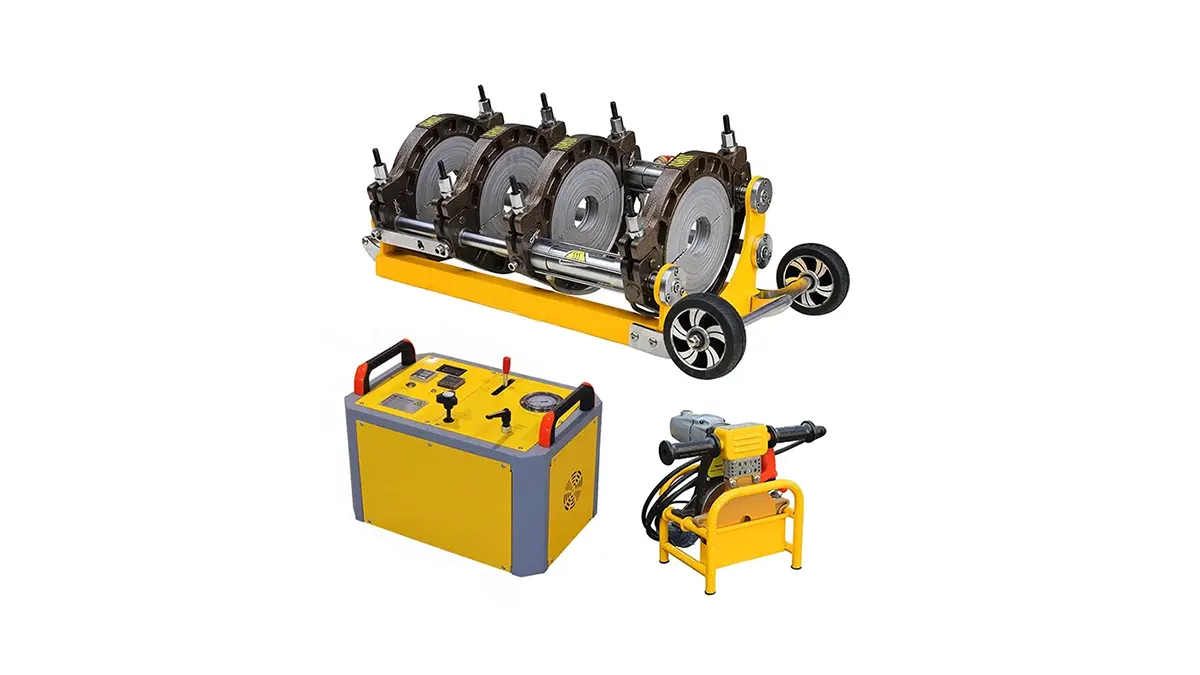
| Hydraulic Butt Fusion | 160mm–2000mm+ | Large pipelines, utility projects | High pressure, robust frame, precise alignment |
| Automatic / CNC Butt Fusion | 63mm–1000mm+ | High-volume network installation | Automated cycles, repeatable weld logs, fast output |
| Electrofusion | Fittings and repairs | Complex fittings, trenchless repairs | Portable, precise heating element control |
Why Quality Welding Equipment Matters in Cambodia
Cambodia’s climate, seasonal flooding, and rapid urban development create specific demands: durable joints, reliable field performance, and easy maintenance. Investing in proven welding technology minimizes downtime, reduces leak risks, and ensures pipelines perform through wet seasons and heavy use.
Key Considerations When Buying a Poly Pipe Welder
Power & mobility: For remote irrigation projects, prioritize portable units or machines with flexible power options. Pipe diameter range: Match the machine capacity to your most common pipe sizes to avoid overspending. Automation level: Automatic machines increase throughput for utility-scale work; manual units are ideal for small contractors. Spare parts & training: Ensure local availability of consumables and operator training to maintain weld quality.
Applications Across Cambodian Sectors
Typical uses include municipal water mains in Phnom Penh and Siem Reap, agricultural irrigation networks across Tonle Sap and the Mekong basin, industrial pipelines for mining and processing, and rural water supply projects. The right welding solution supports long-term development goals while lowering life-cycle costs.
Installation, Training & After-Sales Support
Reliable suppliers provide on-site commissioning, operator training, and spare parts kits. Local contractors benefit from partner-led training programs that cover safe operation, quality control, and maintenance best practices to ensure consistent ISO/industry-standard welds.
Quick Checklist for Selecting Your Supplier
Warranty terms, availability of technical documentation, access to calibration and spare parts, and proven field references in Cambodia or the Southeast Asia region are essential. Confirm service response times and whether remote diagnostics or on-site technician visits are offered.
For a professional source of HDPE welding machines and butt fusion solutions, visit https://jq-fusionwelding.com/ to explore models, specifications, and support options tailored to Cambodian infrastructure and construction needs.
Ready to Upgrade Your Pipeline Projects?
Request a quote or ask for a demo to see which poly pipe welder fits your operation — from compact manual units for village waterworks to automated fusion machines for large municipal programs.



