
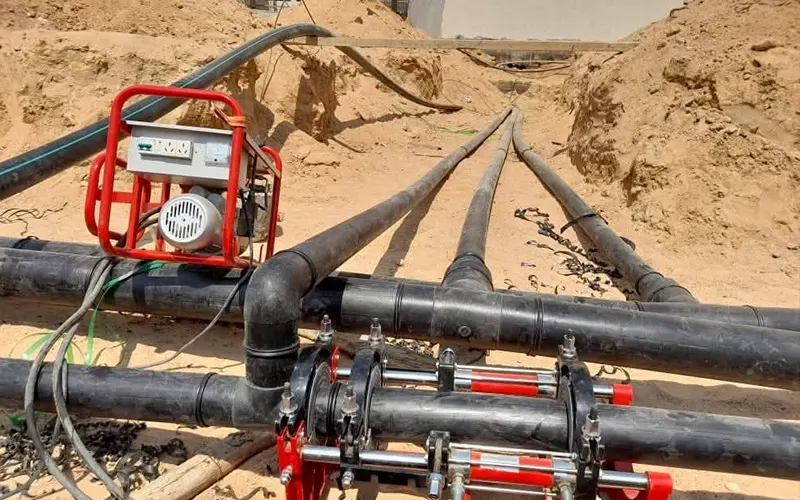
Choosing the best poly pipe welder company in Rwanda is critical for successful water supply, irrigation and gas distribution projects across Kigali, rural districts and highland construction sites. HDPE pipe fusion quality affects system longevity, leak prevention and operational safety — especially in Rwanda’s varied terrain and climate. This guide helps engineers, contractors and procurement managers evaluate suppliers and pick equipment that fits local project demands.
Why the Right Poly Pipe Welder Matters in Rwanda
Durability and consistency are essential when welding PE pipes for community water networks, agricultural irrigation schemes or urban infrastructure. Machines that perform reliably reduce rework, protect limited budgets and ensure compliance with local standards. In remote areas where technical support is limited, choosing proven welding systems helps avoid costly downtime.
Key Evaluation Factors for Poly Pipe Welder Companies
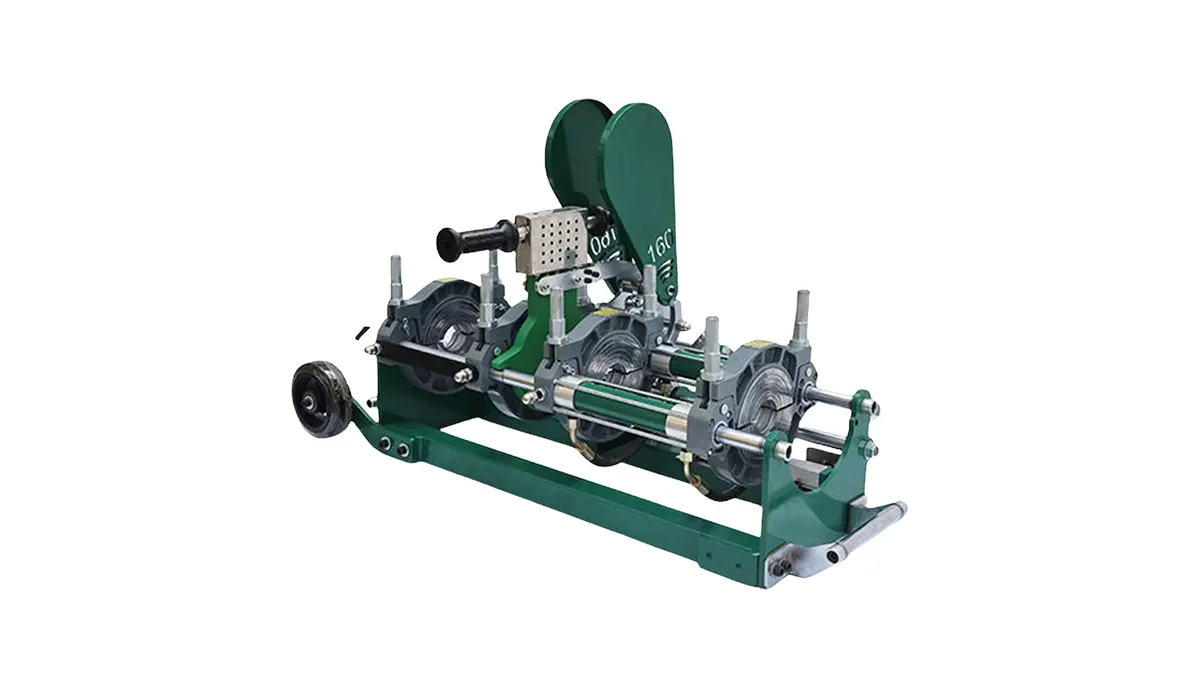
Product range: Confirm the supplier offers manual, hydraulic and automatic butt fusion machines and electrofusion units to cover everything from small-diameter service lines to large trunk mains.
Quality & certifications: Look for ISO manufacturing, CE or other recognized quality marks and documented welding procedures.
Local support & spare parts: Prioritize companies that can provide spare parts, training and remote troubleshooting suited for Rwanda’s supply chains.
Field training: On-site or virtual training for local welders ensures proper fusion technique and helps build long-term capacity.
Comparison Table: What to Expect from Top Suppliers
| Selection Criteria | What to Look For |
|---|---|
| Machine Types | Manual, hydraulic, CNC automatic butt fusion, electrofusion |
| Welding Capacity | Range of pipe diameters and pressure ratings for local projects |
| Service & Training | On-site training, manuals in English/French/Kinyarwanda, remote support |
| Spare Parts Availability | Local stocking or fast international shipment options |
| Warranty & After-Sales | Clear warranty terms, accessible technical help, calibration services |
Practical Questions to Ask Suppliers
Can you provide welding procedure specifications (WPS) and training for local teams? Proper documentation and practical sessions are essential for consistent fusion joints.
What spare parts are commonly required, and how fast can they be delivered to Rwanda? Lead time matters for project continuity in remote districts.
Do you support field calibration and verification of heating plates and clamps? Accurate temperature control preserves weld integrity.
Service, Training and Local Conditions
Rwanda’s geography — from urban Kigali to hilly rural catchments — requires equipment that is portable, robust and easy to maintain. Prioritize suppliers who offer field service plans, operator training for local welders, and clear troubleshooting guides. For many projects, investment in training yields faster, safer installations and reduces long-term maintenance costs.
Budgeting & Total Cost of Ownership
When comparing quotes, assess the full lifecycle cost: purchase price, spare parts, training, warranties and expected productivity gains. Automatic and CNC machines often reduce operator dependency and rework, improving cost-effectiveness on medium-to-large projects.
A Practical Shortlist for Rwandan Buyers
1. Ensure the supplier can cover the pipe diameters and materials used locally. 2. Verify training and spare parts logistics. 3. Confirm documented welding parameters and quality evidence. 4. Evaluate warranty, calibration and after-sales response times.
For high-quality HDPE pipe welding machines, consider manufacturers with a global footprint and experience supplying butt fusion and electrofusion solutions; one such supplier is JQ-Fusion, which provides manual, hydraulic and automatic butt fusion machines suitable for infrastructure projects.



