
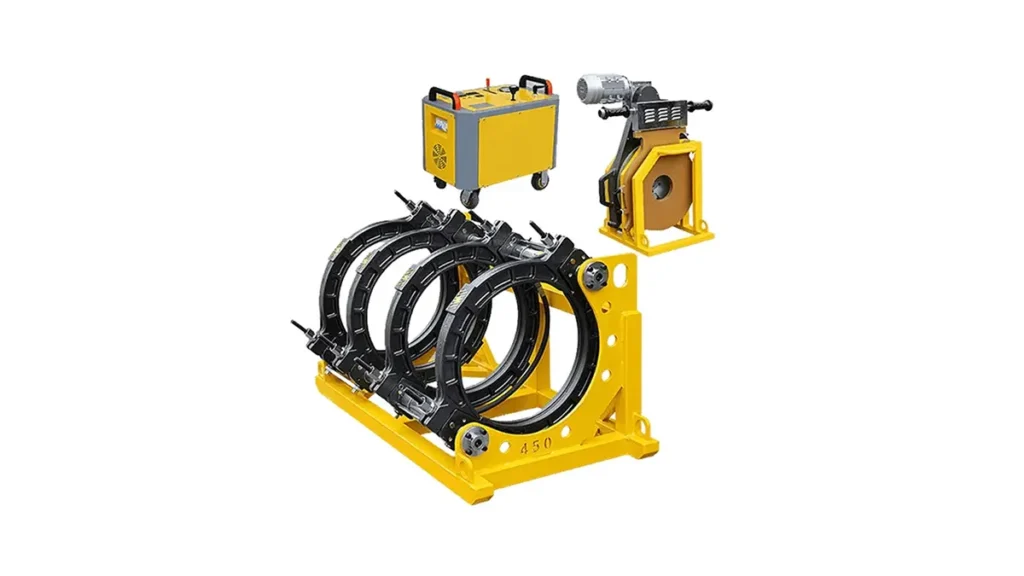
Poly pipe welding is central to building durable water, gas and industrial networks across Canada. From urban utility upgrades in Toronto to remote pipeline installs in the North, selecting the right welding method and a qualified welder ensures leak-free joints that withstand freeze-thaw cycles, soil movement and strict provincial regulations.
Why HDPE Welding Matters in Canada
HDPE (high-density polyethylene) pipes are increasingly preferred in Canadian projects for their corrosion resistance, long service life and flexibility in cold climates. Proper fusion welding delivers joints with strength comparable to the pipe itself, reducing maintenance and environmental risk. For municipalities, construction firms and rural contractors, reliable welding means lower lifecycle costs and compliance with standards.
Common Poly Pipe Welding Methods
Butt Fusion
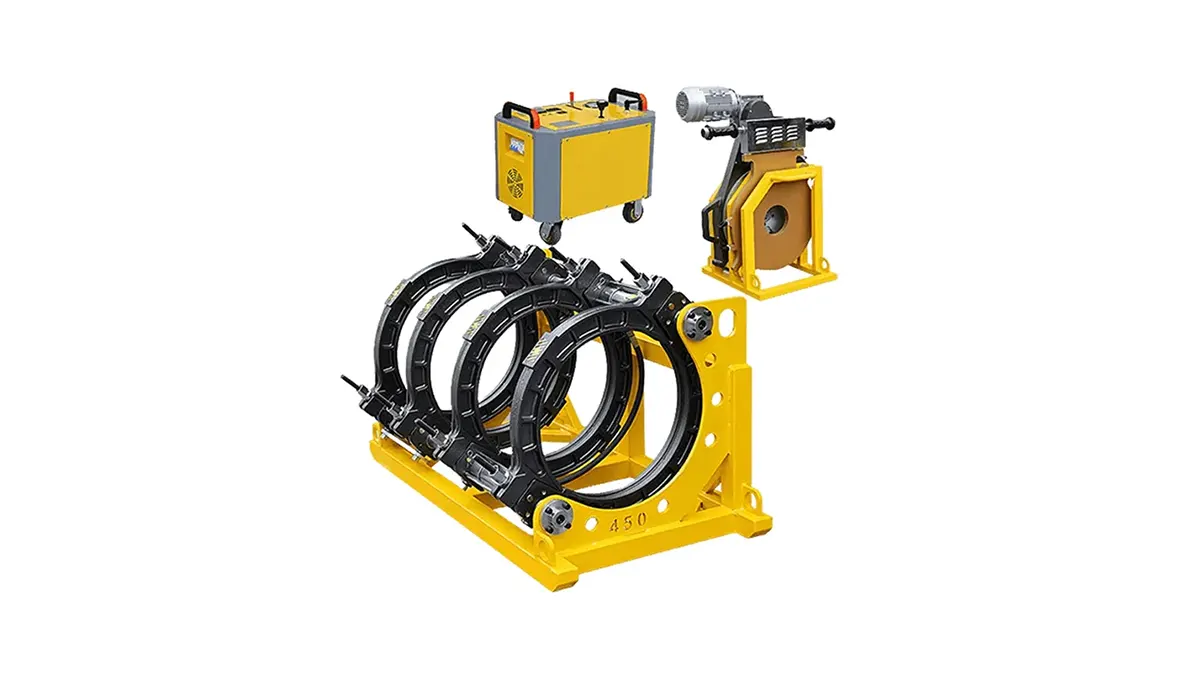
Butt fusion is the most widely used method for large-diameter HDPE. Two pipe ends are heated and pressed together to form a continuous, homogeneous joint. It’s ideal for long water mains, gas distribution and large-diameter installations where on-site consistency is crucial.
Electrofusion
Electrofusion uses fittings with embedded heating coils and is excellent for connections, repairs and work in confined areas. It’s common for tapping services, small diameter gas lines and complex fittings in urban settings where precision is key.
Saddle and Hot Gas Welding
These are applied for specialty taps, repair patches and small fittings. Hot gas welding is portable and useful for field repairs, while saddle fusion helps connect branch lines without cutting long pipe sections.
Typical Applications Across Canadian Sectors
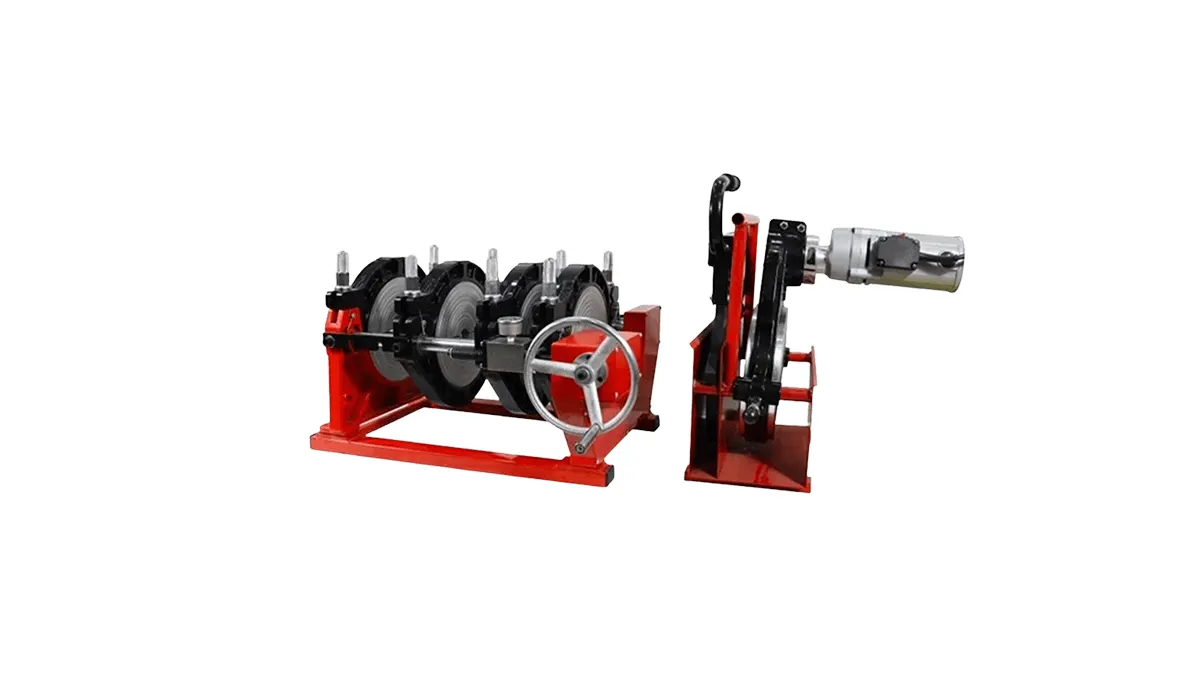
HDPE welding supports many sectors across Canada:
- Municipal water and stormwater mains
- Natural gas distribution (small and medium diameter networks)
- Agricultural irrigation and drainage systems on the Prairies
- Mining and industrial process piping in Western Canada
- Geothermal and HVAC piping in commercial builds
How to Hire a Poly Pipe Welder in Canada
When hiring, prioritize documented experience, up-to-date qualifications and familiarity with local standards. Cold weather welding procedures, correct heating and cooling cycles, and traceable welding logs distinguish competent teams from casual operators.
Key Hiring Criteria
| What to Check | Why It Matters |
|---|---|
| Certifications & Training | Ensures competency with butt fusion/electrofusion and knowledge of CSA/industry standards. |
| Welding Logs & QC Records | Provides traceability and proof of correct procedures and parameters. |
| Equipment Condition | Well-calibrated machines reduce rework and joint failure risk, especially in cold zones. |
| Insurance & References | Protects owners and confirms reliability on similar projects in Canada. |
Certifications & Standards
Look for welders and contractors familiar with the CSA B137 series (HDPE piping systems) and provincial utility codes. Many clients also require welding procedure specifications (WPS), operator qualification certificates, and documented equipment calibration.
Cost Factors to Expect
Quotes vary by pipe diameter, fusion method, site access, excavation requirements and remote travel. Cold-season work may increase labour time due to longer cool-down periods and additional protection measures.
Inspection, Maintenance and Quality Assurance
Post-weld inspection is non-negotiable: check joint bead appearance, planarity and use nondestructive testing where required. Maintain a welding log with parameters (heating time, pressure, temperature, joint IDs) for each weld. Scheduled maintenance of fusion machines prevents on-site delays.
Cold Climate Best Practices
In Canada’s colder regions, implement pre-heating of pipes, wind barriers, and controlled cooldown times. Use certified consumables and follow manufacturer-recommended parameters to avoid brittle or cold-affected joints.
Local Support vs Imported Equipment
Local contractors can offer faster service and compliance knowledge, while specialized machines may be imported for high-volume or large-diameter projects. Consider renting automatic fusion units for repetitive, long runs to improve consistency and reduce labour costs.
Quick FAQ
Q: How long does a butt fusion weld take? A: Typical cycles vary by diameter and material temperature—from 10–30 minutes for small pipes to longer for large diameters, plus mandatory cooldown time.
Q: Is electrofusion suitable for gas lines? A: Yes—electrofusion is widely used for gas distribution, especially for fittings and repairs, when installed per code.
Trusted Equipment & Suppliers
For reliable butt fusion machines and support, consider manufacturers with an established track record in HDPE welding equipment and global service channels. JQ-Fusion (https://jq-fusionwelding.com/) supplies manual, hydraulic and automatic butt fusion machines suitable for a wide range of Canadian applications.



