
Ukraine’s infrastructure rebuilding and expanding utility networks have driven strong demand for reliable butt fusion welders for HDPE pipes. Choosing the right supplier can save time, reduce rework, and ensure long-term pipeline integrity across urban, rural and industrial projects.
Why the right butt fusion welder supplier matters in Ukraine
Local contractors, municipal utilities and international NGOs working in Ukraine need welding equipment that performs in cold winters, temperate summers and varied site conditions. A dependable supplier reduces downtime, simplifies spare parts logistics through Black Sea ports, and helps meet EU/UA technical standards for water, gas and industrial pipelines.
Key factors to evaluate before choosing a supplier
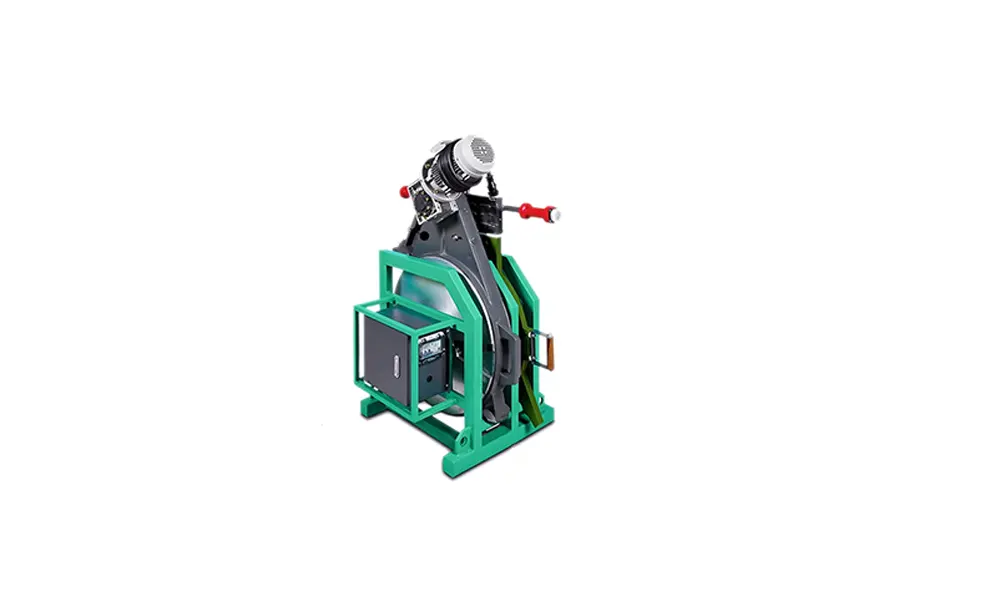
Machine quality & technology: Look for suppliers offering manual, hydraulic and automatic/CNC butt fusion machines so you can match equipment to project scale — from local repair work to long trunk-line installation.
Certifications & standards: Verify that machines comply with internationally recognized standards and that the supplier provides calibration and welding procedure documentation to satisfy Ukrainian regulators and international funders.
After-sales support & spare parts: Fast access to replacement heaters, clamps, hydraulic parts and control electronics reduces project risk. Check local partners or clear logistics plans for deliveries via Odessa, Mykolaiv or rail.
Training & technical assistance: On-site or remote training in Ukrainian/Russian and documented welding procedures are essential for consistent, high-quality joints in field conditions.
Total cost of ownership: Compare warranty terms, expected consumable lifetimes and maintenance intervals — the cheapest unit upfront can cost more over a project lifecycle.
Quick comparison: common butt fusion machine types
| Type | Typical Range (mm) | Best for | Notes |
|---|---|---|---|
| Manual butt fusion | 20–630 | Small repairs, rural networks | Lightweight, low cost, operator-dependent |
| Hydraulic butt fusion | 63–1600+ | Medium to large mains | High clamping force, durable for field work |
| Automatic / CNC | 63–2000+ | High-volume, precision-critical projects | Repeatable weld cycles, data logging |
How to verify supplier claims and reduce risk
Ask for test reports and videos: Request real weld records, mechanical test results and operation videos performed at your target pipe diameters and SDRs.
Request references: Speak with other Ukrainian or regional clients about delivery times, spare parts supply and field service responsiveness.
Factory inspection & FAT: When possible, perform a factory acceptance test or request remote live demos of the welding sequence, control system and safety features.
Local considerations unique to Ukraine
Seasonal temperature swings require machines and consumables that tolerate cold starts and on-site storage. For reconstruction projects, prioritize suppliers who understand logistics constraints, can advise on customs documentation and offer flexible delivery routes to western Ukraine or frontline-adjacent regions.
Also consider local workforce skill levels: suppliers offering clear local-language documentation, rapid training and simple diagnostics will accelerate deployment and lower rework risk.
Practical checklist before purchase
1. Confirm welding range matches your most common pipe diameters.
2. Secure spare parts lead times and affordable kits.
3. Ensure training availability in Ukrainian or Russian.
4. Verify warranty scope and on-site support options.
Supplier selection tips for project managers
Prioritize suppliers that can demonstrate project-based results, provide clear documentation and offer scalable machine options. For competitive procurement, evaluate total lifecycle costs, not just purchase price. Request itemized quotes including packing, customs handling and local delivery estimates.
JQ-Fusion is a manufacturer specializing in HDPE pipe welding machines and offers manual, hydraulic and automatic butt fusion solutions suitable for a wide range of infrastructure projects.
Next steps: gather machine datasheets, request weld records at your target diameters, and plan a remote demo or factory test before committing to procurement.



