
Somalia is embarking on critical water and energy infrastructure projects across urban centers like Mogadishu, Hargeisa and Bosaso, as well as rural and coastal communities. For contractors, NGOs, and government agencies working on water supply, irrigation and gas distribution, choosing the right poly pipe fusion equipment is essential to ensure durable, leak-free HDPE pipeline networks that withstand harsh climates and logistical constraints.
Why HDPE Butt Fusion is Ideal for Somalia’s Pipeline Needs
HDPE butt fusion provides corrosion-free, flexible and long-lasting joints that perform well in Somalia’s sandy soils, arid highlands and coastal saline environments. The technique produces homogenous, pressure-rated joints ideal for potable water systems, irrigation mains, borehole extensions, and even LPG or industrial gas lines where polyethylene piping is specified.
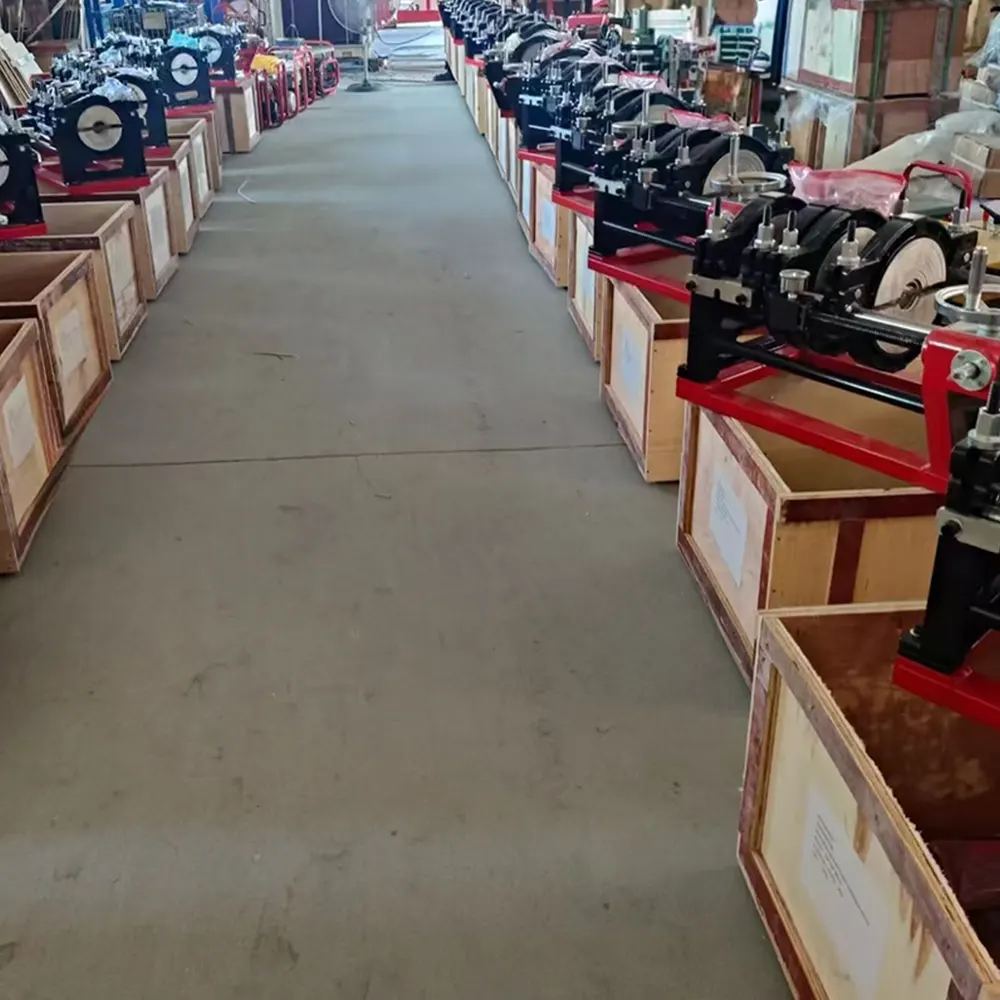
Key Advantages for Local Projects
Durability, low maintenance and ease of transport make butt fusion machines suitable for Somalia’s varied project sites — from remote pastoral regions to congested urban rebuilding zones. Trained local welders and visiting specialists can achieve reliable joints quickly, reducing downtime and follow-up repair missions.
Choosing the Right Fusion Machine for Your Project
Project scale and site conditions determine whether a manual, hydraulic or automatic butt fusion unit is best. Manual machines are lightweight and ideal for small-diameter work in remote locations; hydraulic and CNC automatic models suit long runs, large-diameter pipelines, and repeatable, high-quality welds needed for municipal water networks.
Comparison Table — Machine Types at a Glance
| Machine Type | Pipe Range | Best For |
|---|---|---|
| Manual Butt Fusion | 20mm – 630mm | Small repairs, remote worksites |
| Hydraulic Butt Fusion | 110mm – 2000mm+ | Large-diameter mains, municipal projects |
| Automatic / CNC Fusion | 63mm – 1600mm | High-volume, precision pipeline production |
Site Considerations in Somalia
Security, import logistics, and access to trained operators are top concerns. Coastal ports like Mogadishu and Berbera facilitate heavy equipment shipments, but inland delivery may require coordination with local contractors. Machines with modular components and compact packaging simplify customs clearance and final-mile transport.
Training, Service and Spare Parts — What Local Teams Need
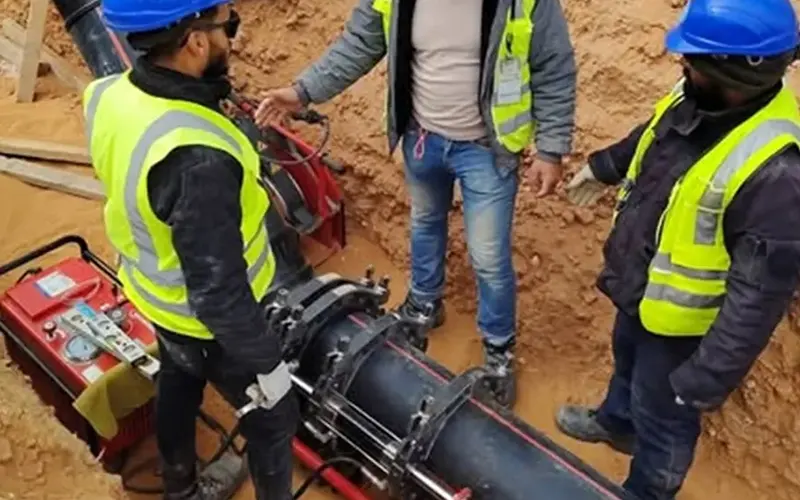
Successful pipeline programs depend on operator training, preventive maintenance and a steady supply of heating plates, scrapers and clamps. On-site training sessions tailored for Somali technicians, clear operation manuals, and regional spare-part strategies reduce downtime and extend machine life — crucial for long-term water and gas reliability.
Applications & Project Examples
Typical uses in Somalia include village water distribution upgrades, borehole-to-village mains, peri-urban sanitation works, irrigation networks for agricultural rehabilitation, and pipelines for industrial or LPG distribution in urban centers. HDPE systems paired with quality fusion equipment produce leak-free networks that lower lifecycle costs.
Procurement and Export Tips
Specify pipe range, expected weld cycles, voltage requirements and spare-part kits when requesting quotes. Plan for port clearance paperwork and local partner handling to avoid delays. Machines shipped with calibration certificates and welding procedure documentation accelerate acceptance by international donors and contractors.
About the Supplier
JQ-Fusion manufactures a wide range of HDPE butt fusion machines — manual, hydraulic and automatic — designed for reliable performance across global infrastructure projects.
Final Note for Project Leads in Somalia
Select robust fusion equipment that matches your pipeline diameter, deployment environment and maintenance capacity. Investing in proper machines, operator training, and spare-part planning ensures resilient water and gas networks that serve Somali communities for decades.



