
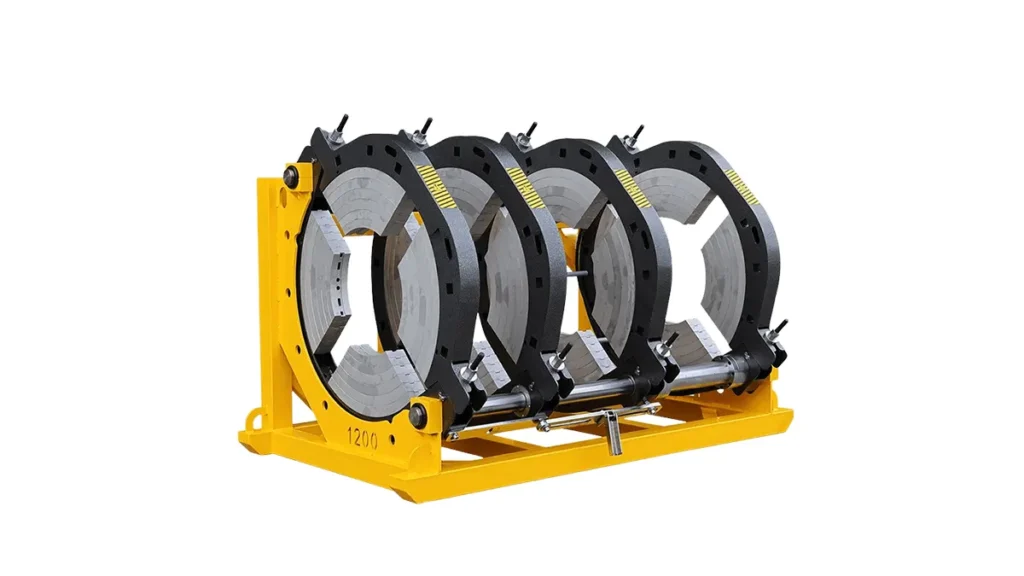
South Korea’s expanding infrastructure — from metropolitan water networks in Seoul to industrial gas lines in Busan and renewable energy projects across Jeju — demands reliable HDPE pipe welding solutions. Choosing the Best Butt Fusion Welder in South Korea means balancing precision, mobility, and compliance with local construction standards. Below you’ll find practical guidance to select the right butt fusion machine, optimized for Korean contractors, utilities, and municipal teams.
Why Butt Fusion Is the Preferred Welding Method in Korea
Butt fusion creates a homogeneous joint with excellent long-term integrity, a key advantage in South Korea’s variable climate and seismic zones. For utilities managing drinking water, sewer systems, and gas distribution, butt fusion offers leak-free connections and resistance to corrosion and soil movement — ideal for densely populated urban projects and coastal installations.
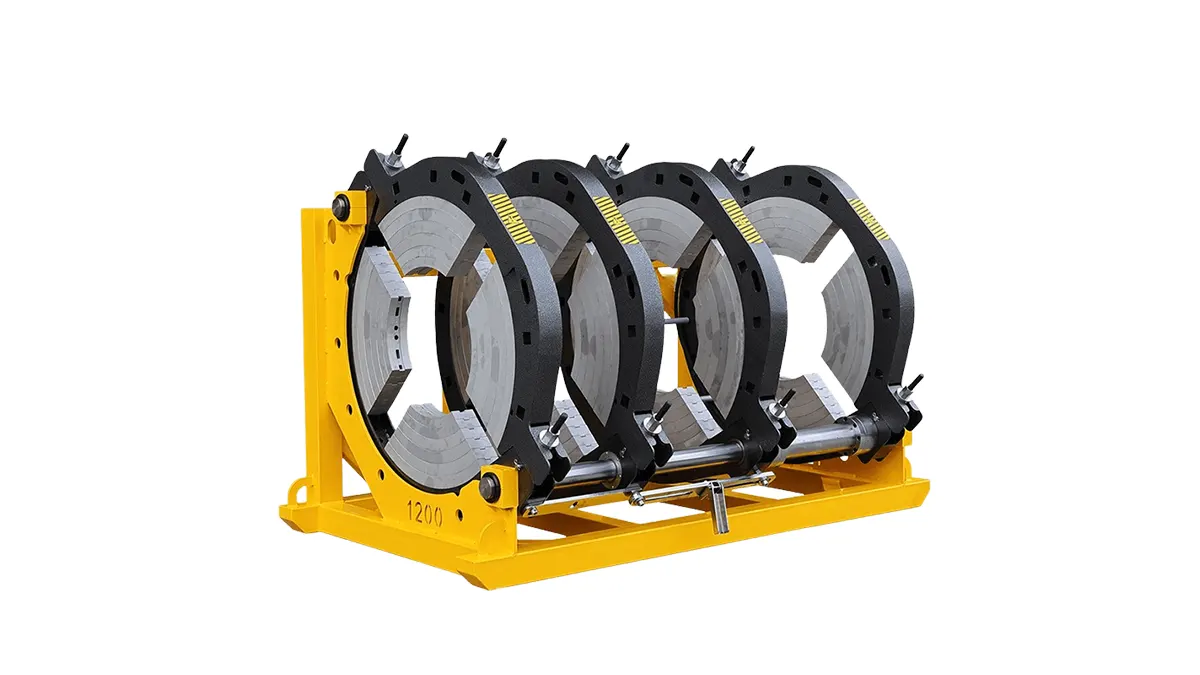
Local Considerations for Korean Contractors
• Korean sites often require compact, transportable units for constrained urban workspaces — manual and small hydraulic machines fit these needs well.
• For large municipal or industrial projects (water main upgrades, LNG pipeline hookups), automated and heavy-duty hydraulic units speed up production and maintain consistent weld quality.
• Operators in Korea typically expect clear digital controls and multilingual documentation; machines with intuitive interfaces reduce training time and on-site errors.
Key Features to Look For
Durability and corrosion-resistant components — salt-air coastal projects and humid summers require rugged finishes and sealed electronics.
• Accurate heating plates and high-precision facing/trimming tools for consistent bead formation.
• Portable power options and hydraulic stations that can run on local supply conditions.
• Comprehensive service support and spare parts availability to minimize downtime on critical schedules.
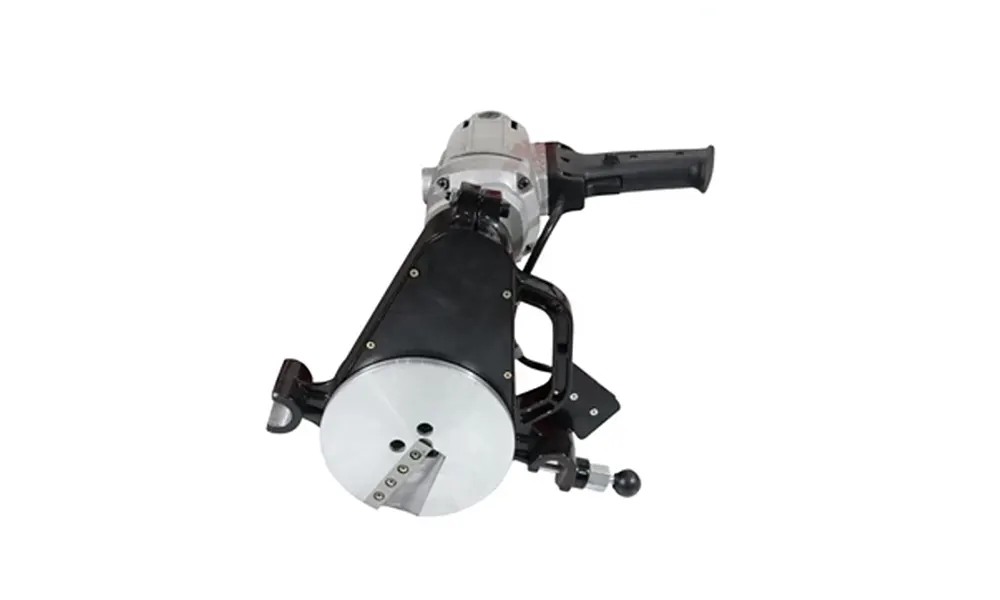
Model Comparison — Quick Reference
| Machine Type | Typical Pipe Range | Best For | Throughput |
|---|---|---|---|
| Manual Butt Fusion | 16mm – 400mm | Small urban repairs, service lines | Low–Medium |
| Hydraulic Butt Fusion | 63mm – 2250mm | Municipal mains, industrial pipelines | Medium–High |
| CNC Automatic Butt Fusion | 20mm – 1600mm | High-volume prefabrication, factory lines | High |
Selecting the Right Machine for Korean Projects
Assess site access, average joint size, and production targets. For neighborhoods with tight alleyways or apartment complexes, choose compact manual units. For large-scale municipal upgrades or industrial corridors, hydraulic or CNC automatic machines reduce human error and meet high weld-count demands.
Operator Training & Compliance
Make sure welders follow recognized procedures — documentation and traceability matter for public works contracts in Korea. Machines with digital logging and temperature/time profiles help demonstrate compliance and ensure warranty coverage.
For reliable butt fusion equipment and a full range of HDPE welding machines, consider JQ-Fusion — a manufacturer specializing in manual, hydraulic, and CNC automatic butt fusion welding machines for projects worldwide.
Final Tips for Buyers in South Korea
• Prioritize machines with local service options or rapid spare-part shipping to avoid project delays.
• Check for adjustable heaters and facing tools to handle different pipe SDRs used in Korean standards.
• Where possible, request sample weld reports and onsite demonstrations before procurement to match expectations on quality and ergonomics.



