
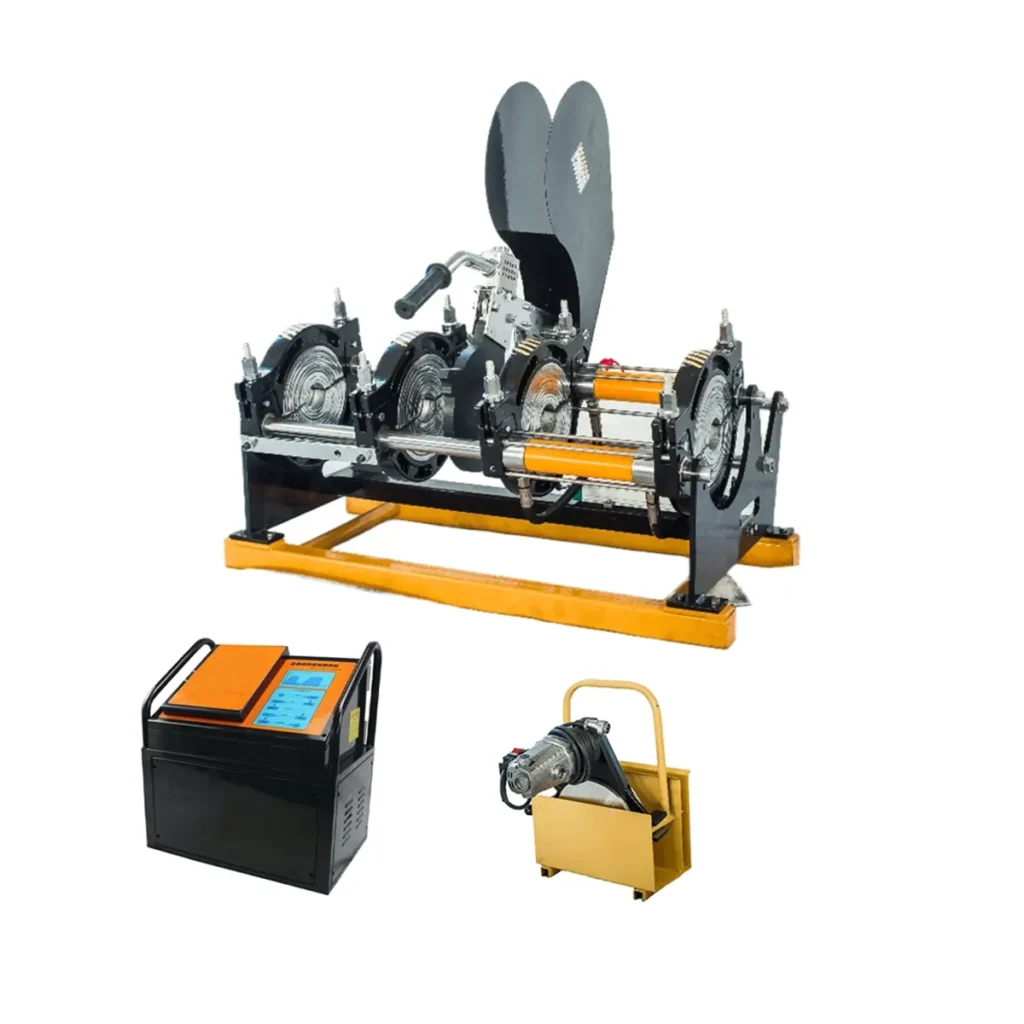
Uganda’s expanding infrastructure — from rural water supply schemes to oil-related pipelines in the Albertine region — needs reliable HDPE pipe welding solutions. Choosing the right poly pipe fusion machine helps contractors, utility teams and NGOs deliver durable joins that resist Uganda’s tropical climate, UV exposure and variable site conditions.
Understanding HDPE Butt Fusion for Ugandan Projects
Butt fusion is the preferred method for joining HDPE pipes used in potable water distribution, irrigation and gas lines because it creates homogeneous, leak-free joints. In Uganda, where many projects run in remote or rugged locations, machines that balance portability with robustness are essential.
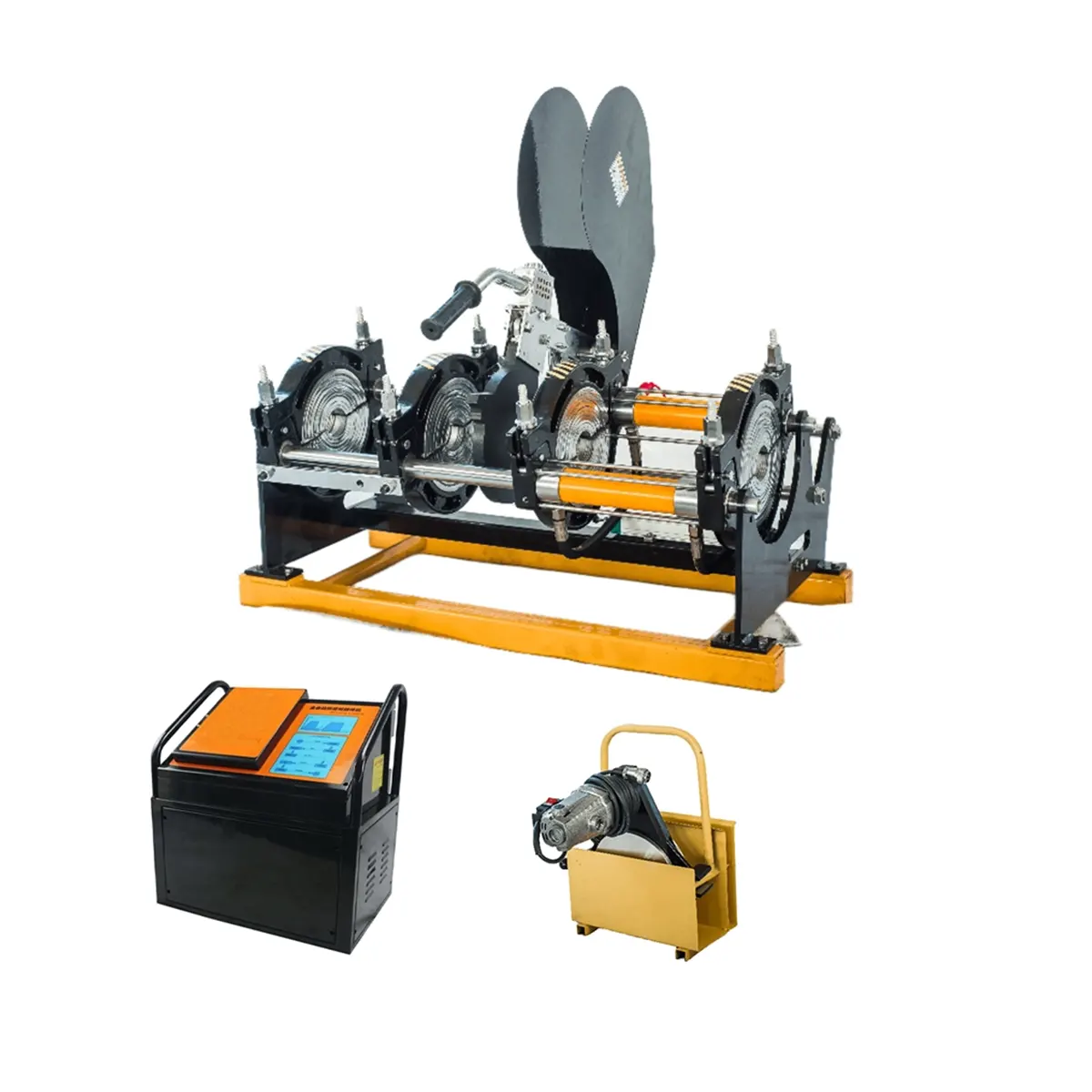
Key benefits of modern fusion machines
Durability: welds resist soil movement, UV and thermal cycling common across Uganda’s regions.
Efficiency: automatic controls and hydraulic clamping reduce weld time on long runs for water networks and irrigation systems.
Portability: lighter manual and compact hydraulic units suit remote villages and construction sites with limited access.
Which machine type suits your Ugandan application?
Different projects demand different fusion solutions. Below is a concise comparison to help local engineers and buyers decide.
| Machine Type | Best For | Typical Pipe Range | Primary Advantage |
|---|---|---|---|
| Manual Butt Fusion | Small teams, remote repairs | 16mm – 315mm | Simple, low-maintenance, highly portable |
| Hydraulic Butt Fusion | Medium to large pipeline construction | 63mm – 1600mm+ | Higher clamping force, faster cycle times |
| Automatic/CNC Butt Fusion | High-precision, high-volume projects | 160mm – 2000mm+ | Repeatable weld profiles, digital reporting |
| Electrofusion | Fittings, repairs on service lines | 20mm – 630mm (fittings) | Quick, controlled heating for fittings and saddles |
Practical considerations for Uganda
Power supply: many sites have unstable mains or rely on generators — choose machines that can run on common voltages or with generator compatibility.
Transport & access: compact frames, removable parts and lightweight heaters make a difference when moving through rural terrain or narrow urban lanes in Kampala.
Climate resilience: choose corrosion-resistant materials and UV-protected components to extend machine life under high humidity and sun exposure.
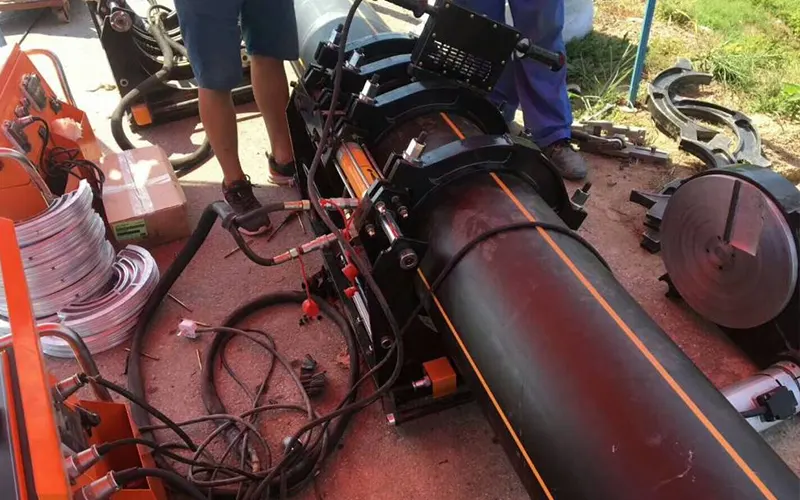
Applications across Uganda
Rural water supply: NGOs and government projects installing village distribution networks need reliable welds for long-term service.
Irrigation and agriculture: coffee, tea and horticulture schemes benefit from secure HDPE lines that minimize leakage and maintenance.
Oil & industrial pipelines: developments in the Albertine region and industrial parks require precision welding and documented, certified weld records.
Municipal utilities: Kampala and regional water authorities demand machines that deliver consistent joint quality for urban distribution and repairs.
Buying checklist for Ugandan buyers
1. Pipe diameter range: confirm the machine covers the project pipe sizes.
2. Power compatibility: verify voltage and generator compatibility.
3. Portability vs capacity: weigh site access constraints against the need for larger-diameter capability.
4. After-sales support: local or regional spare parts, training and fast technical assistance reduce downtime.
5. Certification & traceability: digital weld logs and compliance with international standards help with quality assurance on funded projects.
Maintenance & training tips
Regular heater plate cleaning, clamp inspection and controller firmware checks extend machine life. For Ugandan contractors, brief on-site training for operators helps ensure correct fusion parameters, especially when ambient temperature or humidity varies.
Spare parts and logistics
Stock common spare parts such as heater plates, cutters, and hydraulic hoses locally when possible. Plan shipping and customs ahead — equipment sized for large-diameter welding may require heavier freight solutions for transport to inland project sites.
How to evaluate suppliers
Look for documented case studies in similar environments, clear warranty terms, available technical manuals, and the ability to provide training or certified operators. A responsive service partner reduces risk on critical infrastructure contracts.
Partnering with a manufacturer
For tailored machine specifications, spare parts supply and operator training, consider a supplier that offers manual, hydraulic and automatic butt fusion platforms along with electrofusion solutions — and can match machine choice to Uganda’s project realities.
JQ-Fusion: https://jq-fusionwelding.com/



