
Hydraulic butt fusion machines are the workhorses behind reliable HDPE pipeline installation across the United States — from municipal water networks and gas distribution to large-scale industrial and mining pipelines. This guide helps American buyers and field crews choose, operate, and maintain hydraulic butt fusion equipment for safe, efficient, and code-compliant welding on U.S. projects.
Why Hydraulic Butt Fusion Machines Are Preferred in the U.S.
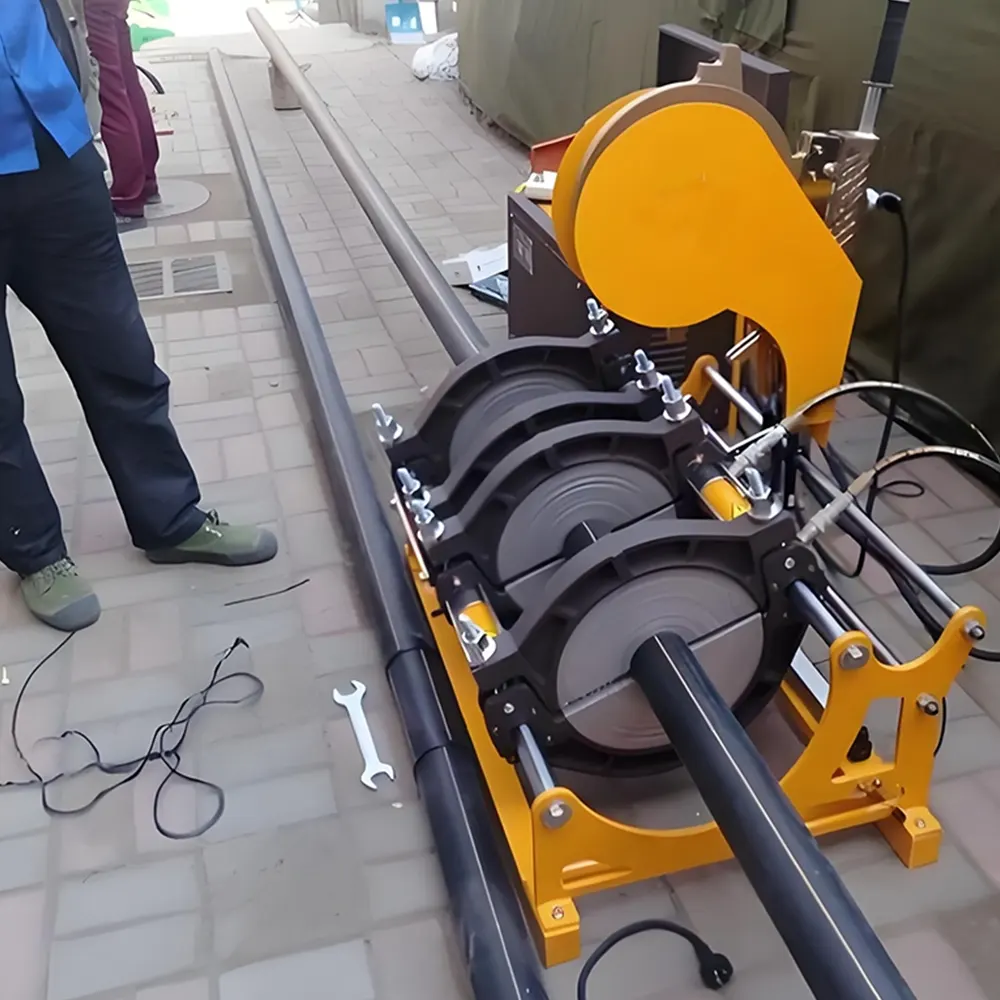
Hydraulic butt fusion delivers strong, leak-free joints for HDPE and PE100 pipelines used in water, sewer, gas, and industrial systems. Contractors across the U.S. prefer hydraulic units for their consistent compression force, portability for field work, and ability to handle a wide range of diameters — from small service lines to large-diameter mains.
Key Benefits for U.S. Buyers
Reliable Joint Strength
High-pressure hydraulic clamps and controlled heating deliver butt fusion joints that meet ASTM F2620 guidelines and provide long-term performance in buried and above-ground installations.
Field Portability & Flexibility
Many hydraulic designs are modular and transport-friendly for urban utility crews and remote rural sites. Look for quick-release clamps and trailer-compatible frames when mobility is essential.
Wide Diameter Coverage
Hydraulic machines can be configured for anything from 20mm service pipes up to large mains (1200mm and above), making them suitable for contractors who handle mixed-size projects across the U.S.
What to Look For When Buying in the United States
Specifications matter: match machine clamping range, maximum hydraulic pressure, heating plate sizes, and power source (electric, diesel generator compatibility) to your project needs. Verify compliance with U.S. standards (ASTM F2620) and request welding procedure documentation for acceptance by municipal or state agencies.
Assess Service & Parts Availability
Choose machines with easily sourced spare parts and local or responsive international support. Fast access to heaters, hydraulic seals, and clamps reduces downtime on U.S. jobs with tight schedules.
Operation & Safety — U.S. Field Best Practices
Operators should follow OSHA and local utility safety rules: lockout/tagout for electrical systems, fire prevention around heating plates, and use of PPE (heat-resistant gloves, eye protection). Training in butt-fusion procedures and recorded weld logs are often required by municipalities for inspection and warranty.
Maintain clean, square pipe ends and follow specified heating, soak, and cooling times. Many U.S. contracts require documented procedure compliance and nondestructive testing samples for approval.
Maintenance Checklist for Longevity
Daily: clean heating plate surfaces, check hydraulic oil levels, inspect clamping jaws for wear.
Monthly: verify pressure gauges, test safety valves, and calibrate the heating plate thermostat.
Annually: replace hydraulic hoses as needed, perform full electrical and hydraulic system inspection, and check alignment fixtures.
Cost Considerations: Purchase vs Rental
Smaller contractors may benefit from renting hydraulic units for occasional projects, while pipeline contractors typically recover purchase costs quickly on frequent use. Factor in shipping, customs (if importing), spare parts, and calibration services when calculating total cost of ownership for U.S.-based use.
Popular Models & Quick Technical Comparison
| Model | Pipe Range (mm) | Max Hydraulic Pressure | Power |
|---|---|---|---|
| JQH160 | 20 – 160 | 25 MPa | Electric / Portable |
| JQH400 | 63 – 400 | 25 MPa | Diesel Generator Compatible |
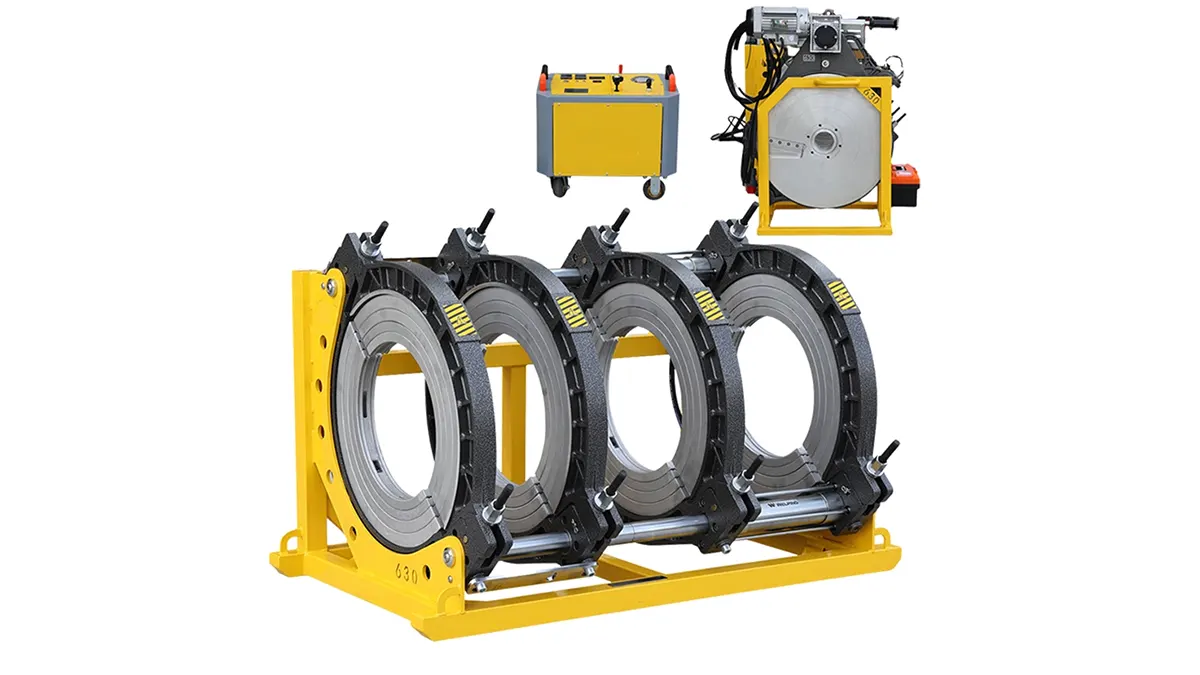
| JQH630 | 90 – 630 | 25 MPa | Hydraulic Power Unit / Electric |
| JQH1200 | 315 – 1200 | 25 MPa | High-capacity Hydraulic Unit |
Documentation & Compliance for U.S. Projects
Provide weld logs, heater calibration records, and operator qualifications to municipal inspectors or DOT reviewers. Following ASTM F2620 welding procedure and recording fusion parameters ensures acceptance for potable water, gas, and industrial lines.
Warranty, Support & Shipping Considerations
Confirm manufacturer warranty terms, inbound shipping options to U.S. ports, and availability of authorized service centers or technicians. Quick access to technical support minimizes project delays when working on critical infrastructure schedules.
About JQ-Fusion
JQ-Fusion is a professional manufacturer specializing in HDPE pipe welding machines, offering a range of manual, hydraulic, and CNC automatic butt fusion machines designed to meet global infrastructure needs with reliable parts, responsive support, and configurable solutions for projects of all sizes.
Final Advice for U.S. Buyers
Match machine capabilities to your typical pipe sizes, confirm documentation and standards compliance, prioritize serviceability and parts access in the U.S., and invest in operator training. Proper selection and maintenance of a hydraulic butt fusion machine will deliver durable, compliant welds for decades of pipeline service.



