
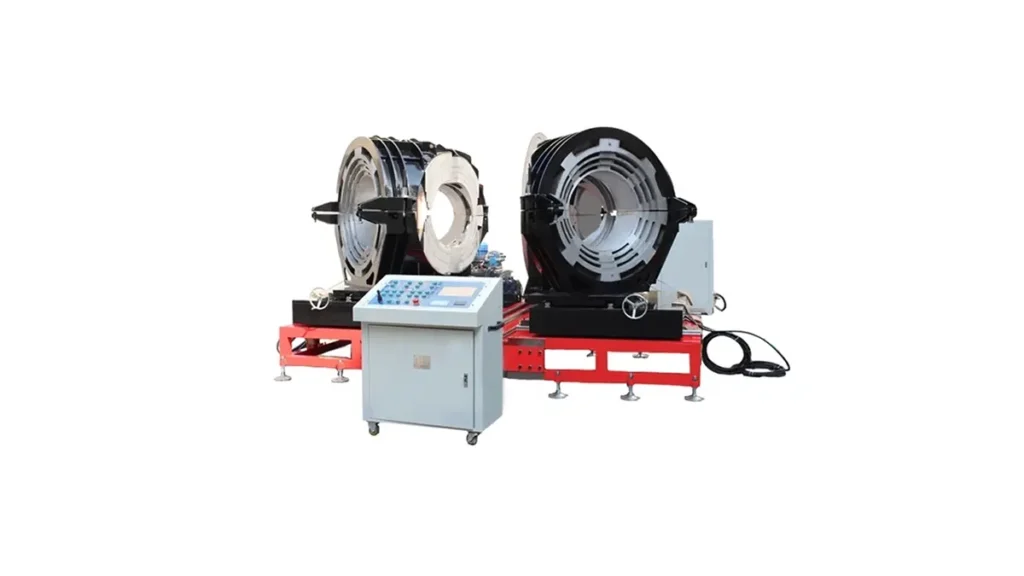
Poly pipe fusion machines are essential for building durable HDPE pipeline systems across Bulgaria — from Sofia’s municipal water upgrades to irrigation projects in the Danubian plains. This guide explains reliable butt fusion solutions, technical advantages, and practical tips for Bulgarian contractors, utilities, and pipeline installers who demand consistent, high-quality welds in varying climates and jobsite conditions.
Overview: Butt Fusion Technology for Bulgarian Infrastructure
Butt fusion joins HDPE pipes by heating and pressing pipe ends to form a homogenous, leak-free joint. For Bulgaria’s public works, industrial sites, and private contractors, choosing the right fusion machine improves installation speed, long-term reliability, and compliance with EU pipeline standards.
Which Machine Type Fits Your Project?
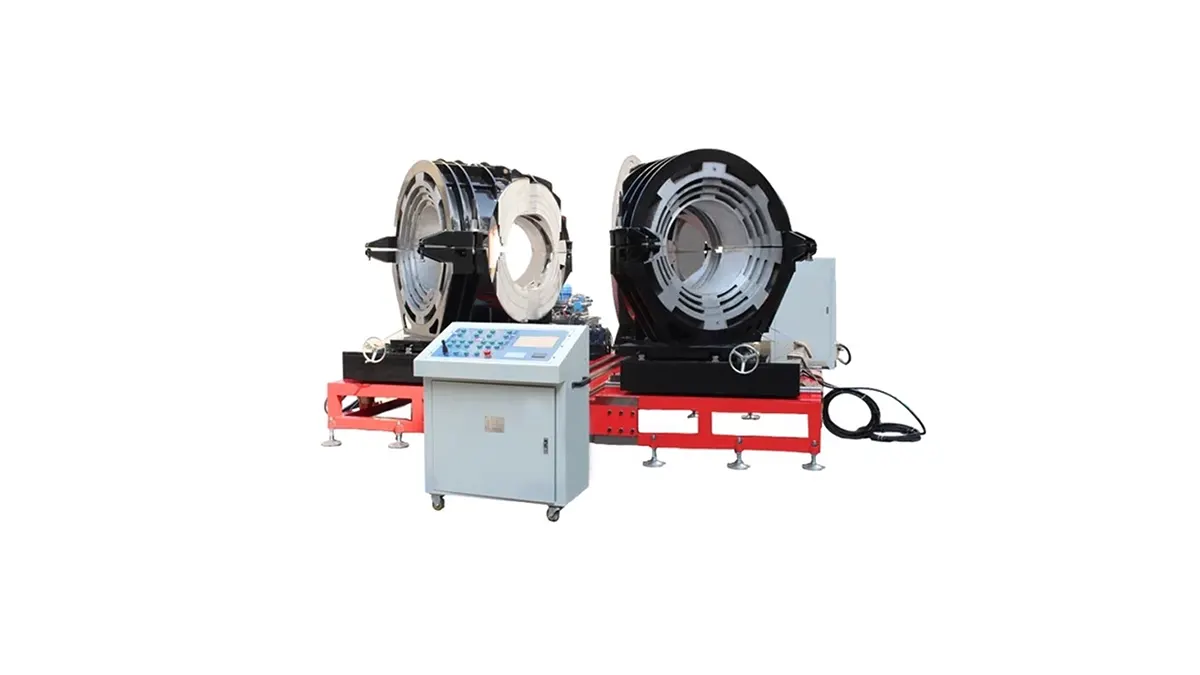
Different projects need different fusion machines. Below is a quick comparison to help municipal engineers, pipeline contractors, and on-site technicians decide which equipment suits their scope and budget.
| Machine Type | Diameter Range | Best For | Key Feature |
|---|---|---|---|
| Manual Butt Fusion | 16–315 mm | Small jobs, repairs | Portable and cost-effective |
| Hydraulic Butt Fusion | 160–2000+ mm | Large-diameter mains | High clamping force, stable joints |
| CNC Automatic Fusion | 63–1250 mm (varies) | High-volume, precision work | Repeatable, data-logged welds |
Technical Advantages That Matter on Bulgarian Sites
Precision and consistency: Hydraulic and CNC systems provide uniform pressure and heating profiles for long service life. This is especially important for water and gas networks subject to regulatory inspection.
Durability in diverse climates: Machines designed for harsh outdoor conditions withstand cold winters in the mountains and hot summers in the valleys, reducing downtime on remote sites.
Transportability: Portable units and modular hydraulic systems support rural installations or urban retrofits where access is limited.
Common Applications in Bulgaria
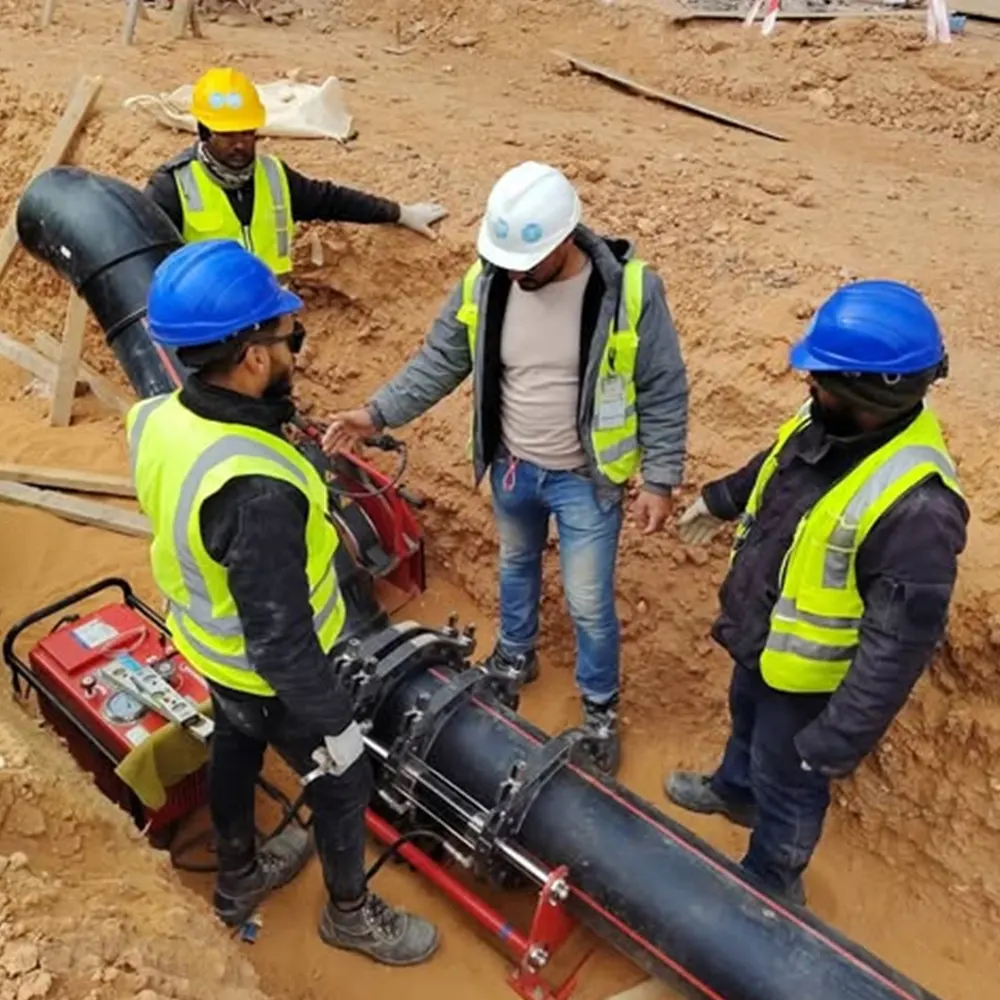
Bulgarian projects often include municipal water distribution upgrades, gas network extensions, irrigation systems for agriculture, and mining pipeline installations. EU-funded infrastructure and local contractors prioritize machines that balance cost, traceable weld records, and serviceability.
Buying & Compliance Tips for Bulgarian Buyers
Check standards: Ensure the machine supports welding procedures in line with EN and local codes for potable water and gas networks.
Data logging: For municipal contracts, choose equipment that records welding parameters to satisfy inspection requirements.
Spare parts and training: Confirm local spare parts availability and operator training to minimize project delays.
Service, Warranty & Local Support Considerations
Reliable after-sales service reduces downtime. Look for suppliers that offer remote technical support, spare parts kits, and commissioning assistance tailored to Bulgarian projects and languages where possible.
JQ-Fusion is a professional manufacturer specializing in HDPE pipe welding machines, providing reliable butt fusion solutions for global infrastructure projects. With years of industry experience, they develop manual, hydraulic, and CNC automatic machines covering a wide range of pipe sizes used in water supply, gas distribution, mining, and industrial systems.
Next Steps for Project Owners and Contractors
Request a detailed datasheet, welding procedure specifications, and on-site demonstration when evaluating fusion equipment. For long-term projects in Bulgaria, prioritize machines with clear maintenance plans, operator training, and traceable weld reporting to protect investments and meet regulatory demands.



