
Choosing the right PE pipe construction welding machine can make the difference between a reliable, long-lasting pipeline and costly rework. This guide breaks down butt fusion machine types, selection criteria, technical specifications, and practical tips to help contractors, engineers, and procurement teams make an informed decision for HDPE fusion projects.
Why HDPE Butt Fusion Matters
HDPE butt fusion is the industry standard for joining polyethylene pipes due to its strength, leak-free joints, and longevity. Proper fusion equipment ensures uniform heating, accurate alignment, and repeatable pressure control—critical for water supply, gas distribution, and industrial pipeline integrity.
Primary Benefits
Durability: fused joints perform as a continuous pipe section with excellent resistance to corrosion and fatigue. Cost-efficiency: minimized leaks and reduced maintenance over the pipeline life cycle. Field adaptability: machines are available from portable manual units to fully automated CNC systems.
Common Types of PE Pipe Welding Machines
Different projects demand different fusion machines. The right choice depends on pipe diameter, site conditions, operator skill, and project scale.
| Machine Type | Typical Pipe Range | Best For | Key Advantages |
|---|---|---|---|
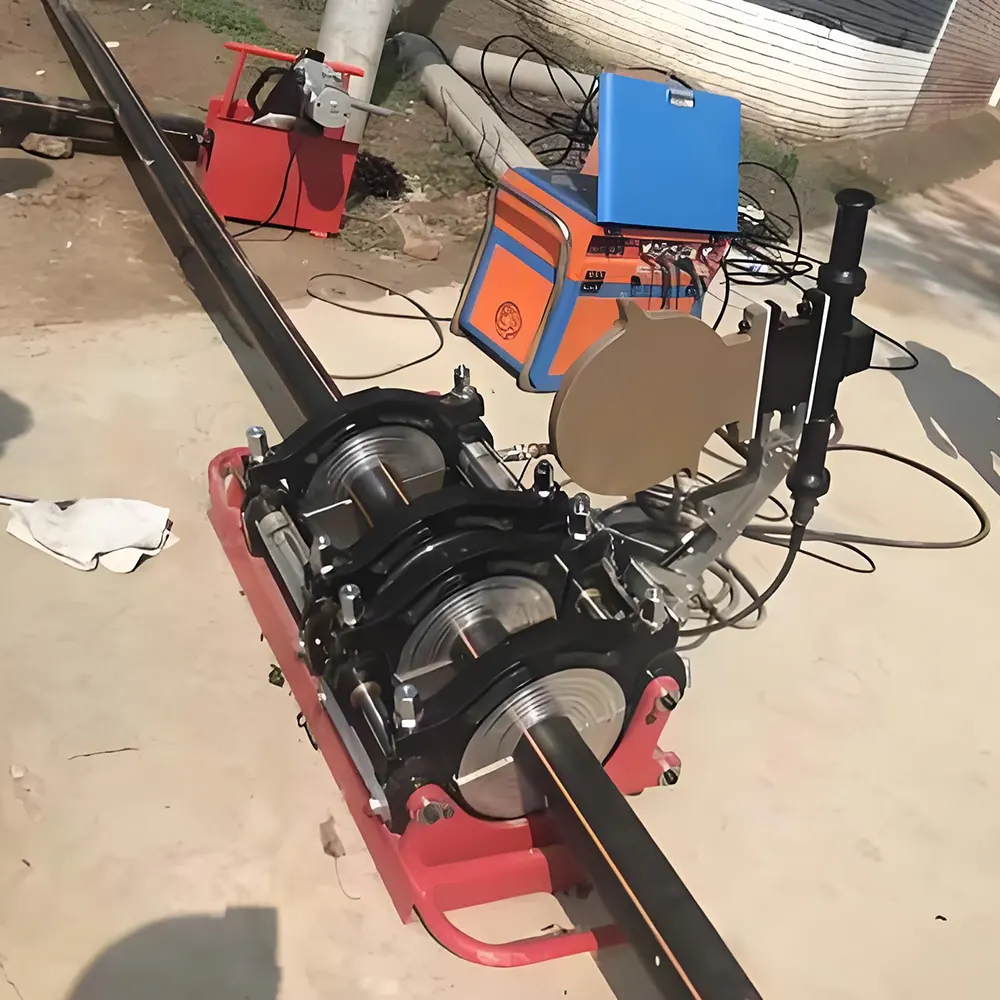
| Manual Butt Fusion | 20mm – 630mm | Small projects, remote sites | Portable, low cost, simple maintenance |
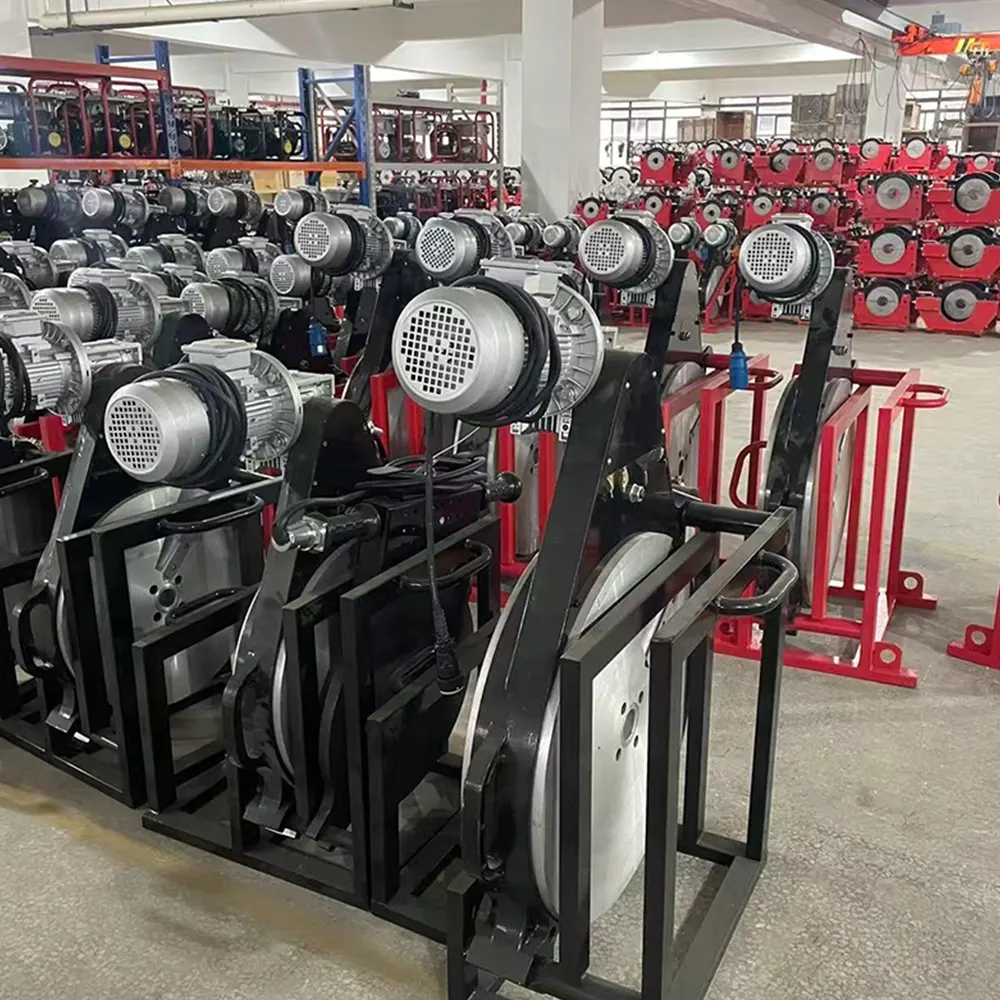
| Hydraulic Butt Fusion | 63mm – 2000mm+ | Medium to large diameter pipelines | High clamping force, consistent pressure control |
| Automatic / CNC Fusion | 63mm – 1600mm+ | Long runs, high-precision projects | Data logging, repeatability, reduced operator error |
| Electrofusion (Accessories) | Fittings and service connections | Service lines, repair work | Ideal for fittings and tight access areas |
How to Choose the Right Machine: A Practical Checklist
Consider these decisive factors before purchase or rental:
- Pipe diameter and SDR (standard dimension ratio) — ensures jaws, clamps and heaters match pipe geometry.
- Site conditions — remote or muddy sites prefer portable manual units; controlled workshops favor CNC machines.
- Production rate — automatic units increase throughput and consistency on large projects.
- Operator skill level — automated controls reduce dependence on highly trained operators.
- Service & parts availability — choose equipment backed by reliable after-sales support.
Key Technical Specifications to Compare
| Specification | What to Look For |
|---|---|
| Maximum Clamping Force | Sufficient force to achieve proper melt and joint consolidation for larger diameters |
| Heater Plate Quality | Even heating, quick ramp-up, durable non-stick surfaces |
| Control & Data Logging | Digital timers, pressure sensors, and weld reports for quality assurance |
| Portability & Weight | Lightweight frames for manual machines; robust frames for hydraulics |
| Power Requirements | Compatibility with site power (engine, generator or mains) |
Operation Tips & Best Practices
To maximize weld quality and equipment life:
- Follow the manufacturer’s heating and fusion parameter chart for each pipe material and SDR.
- Clean and square pipe ends; use a quality facer/trimmer to remove oxides and ensure flatness.
- Monitor heating plate temperature and fusion pressure closely; avoid overheating or underfusion.
- Keep weld records and photos for traceability and quality audits.
- Perform routine maintenance: hydraulic oil checks, heater calibration, clamp lubrication.
Cost vs. ROI
Upfront cost varies widely: manual machines are more affordable while automatic/CNC units have higher capital costs but deliver faster cycles, fewer rejects, and better documentation. Calculate ROI based on projected welds per year, labor savings, and reduced rework.
Applications & Industry Use Cases
HDPE fusion equipment is used across municipal water mains, natural gas distribution, mining slurry lines, industrial process piping, and trenchless installations. Selecting the right fusion method ensures compliance with safety standards and long-term performance.
For reliable equipment and global project support, consider suppliers with proven HDPE fusion expertise—JQ-Fusion (https://jq-fusionwelding.com/) provides a full range of manual, hydraulic and automatic butt fusion welding machines tailored for diverse pipeline needs.
Frequently Asked Questions
Q: What pipe sizes can one machine cover? Many manufacturers offer modular clamp frames or interchangeable attachments; verify the pipe range before purchase.
Q: Are automatic machines worth the investment? For large projects and repetitive welds, automated controls deliver consistent quality and valuable weld records.
Q: How important is operator training? Proper training is essential—operator skill directly impacts weld integrity, even with automated systems.



