
Qatar’s fast-growing infrastructure — from urban developments in Doha to industrial and desalination projects across the peninsula — demands reliable solutions for polyethylene (PE/HDPE) pipeline installation. Poly pipe fusion machines deliver consistent, leak-free joints that meet the high standards required by municipal water networks, district cooling, and gas distribution systems. This guide explains selecting the right fusion equipment for Qatar’s unique environment, project types, and workforce.
Why Poly Pipe Fusion Machines Matter in Qatar
Durability and long-term performance are critical in Qatar’s hot, arid climate. Proper butt fusion welding creates homogeneous joints with strength comparable to the base HDPE pipe, reducing the risk of failures in buried water mains, irrigation systems, and industrial pipelines. Whether working on coastal desalination distribution or remote industrial yards, accurate fusion reduces maintenance costs and downtime.
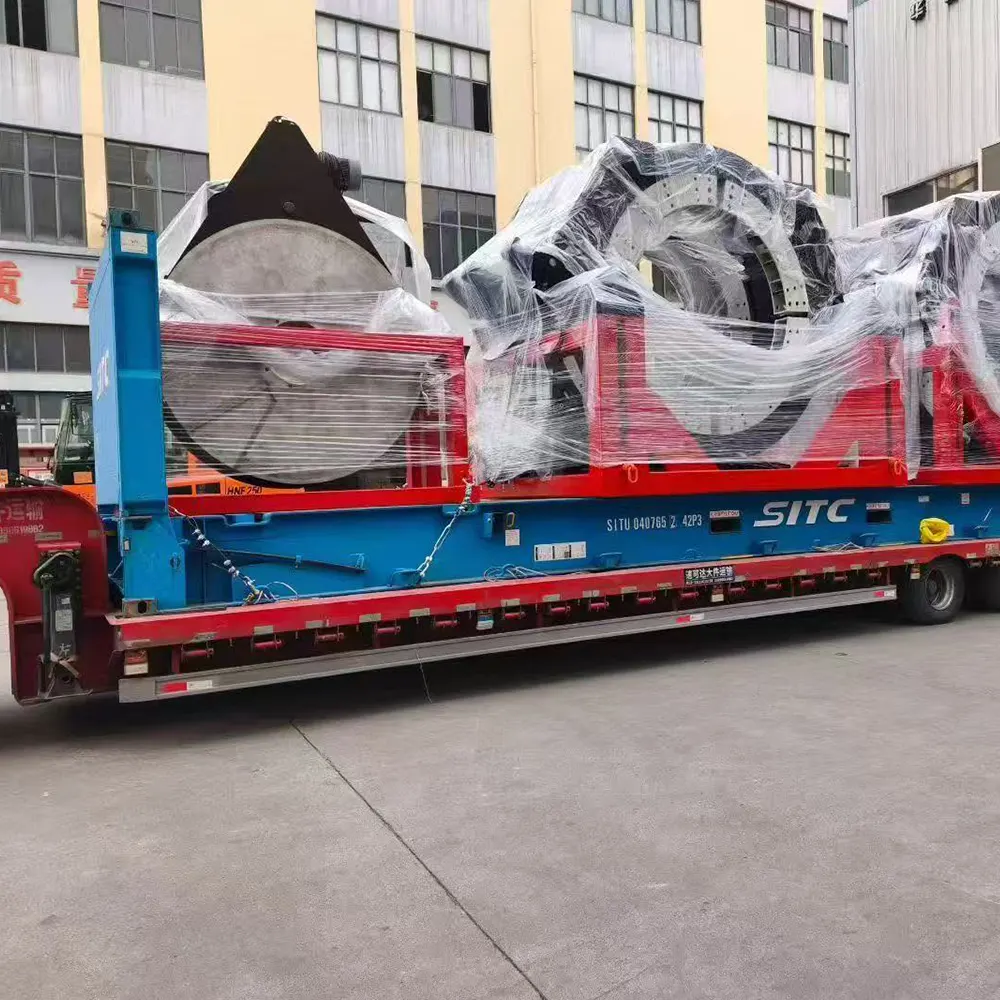
Common Applications in Qatar
Water supply & desalination distribution, district cooling networks, sewer and drainage projects, and industrial utility lines (oil & gas support facilities and petrochemical plants) are primary users of HDPE fusion machines. Contractors and municipal teams require machines that perform reliably on-site, often under dusty, high-temperature conditions.
Types of Fusion Machines to Consider
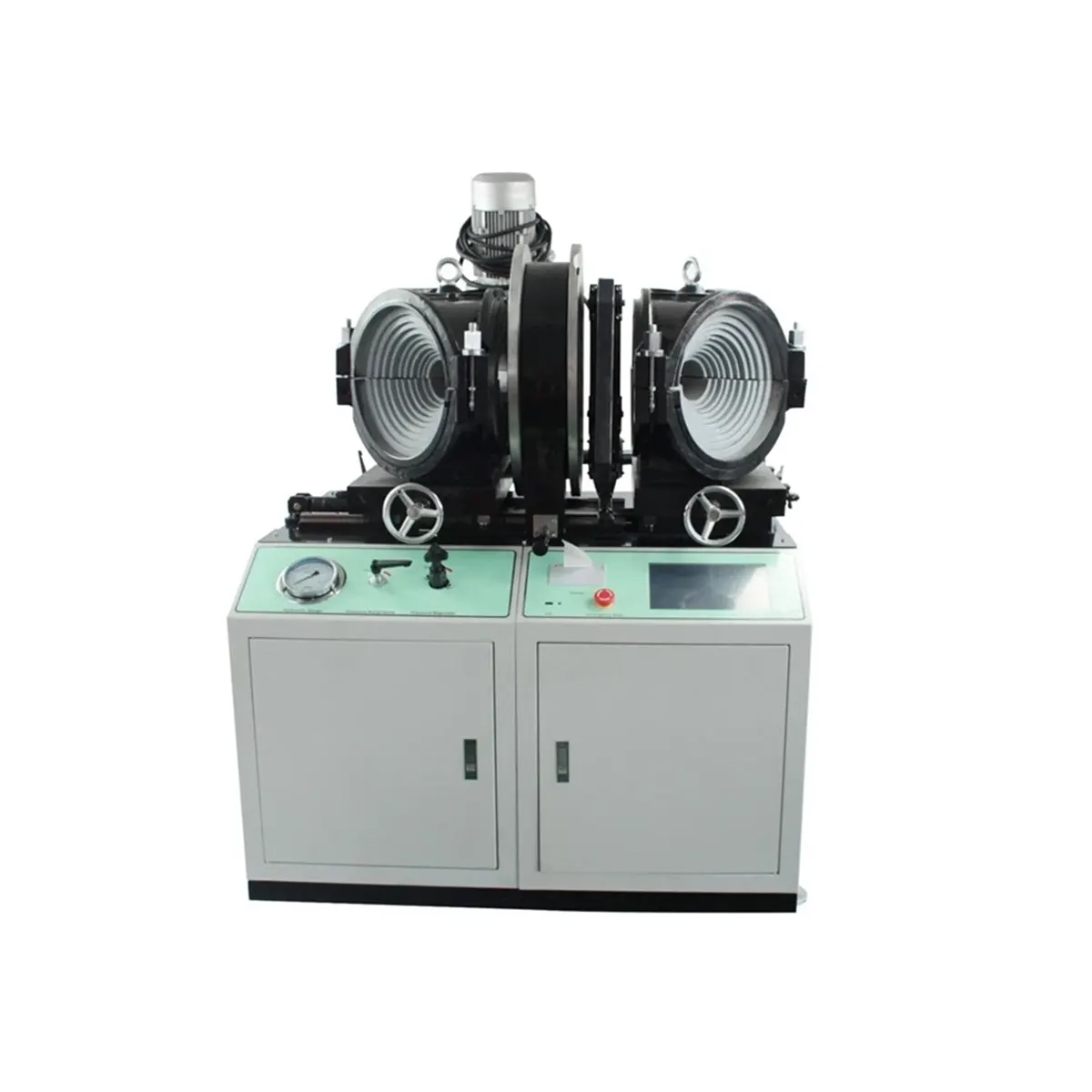
Choosing between manual, hydraulic, and CNC automatic butt fusion machines depends on project scale and workforce skill level. Manual machines are ideal for small repairs and short runs, while hydraulic and automatic models boost productivity for medium to large diameter pipelines and long continuous welds.
Key Benefits by Machine Type
Manual – portable, low-cost, easy for small jobs. Hydraulic – consistent pressure and alignment for mid-size to large diameters. Automatic/CNC – programmable cycles, data logging, and ideal for high-volume or quality-controlled projects.
Practical Selection Guide for Qatar Projects
When planning procurement or rental for pipeline works in Qatar, evaluate these factors:
- Pipe diameter and SDR — Ensure the machine covers the full diameter range used in your project.
- Jobsite environment — Choose robust frames and sealed controls for dusty, coastal, or high-humidity sites.
- Operator skill and training — Automatic machines can reduce operator variability; training and certification ensure quality.
- Regulatory & utility standards — Align welding procedures with local utility requirements such as Kahramaa specifications and international standards.
- Traceability & QC — For critical municipal projects, choose machines with data logging for weld records and reporting.
Comparison Table: Machine Types & Typical Uses
| Machine Type | Typical Pipe Range | Best For |
|---|---|---|
| Manual Butt Fusion | 20mm – 315mm | Small repairs, tight-access sites |
| Hydraulic Butt Fusion | 63mm – 1600mm+ | Municipal mains, industrial lines |
| Automatic/CNC Fusion | 63mm – 1250mm+ | High-volume pipelines, quality-controlled projects |
Installation Tips for Doha & Beyond
Plan weld schedules to avoid the hottest midday hours when possible, store heating plates and consumables in shaded cases, and ensure consistent surface preparation — clean, square pipe ends and correct facing are essential. For long-distance trunk mains, pre-plan welding records and weld-traceability to satisfy contractor QA requirements.
Maintenance and Spare Parts
Regular maintenance of heating plates, alignment clamps, and hydraulic systems extends machine life and reduces downtime. Keep a basic kit of spare thermocouples, facer blades, and sealing components on-site for rapid repairs during continuous weld operations.
Local Workforce & Training Considerations
Qatar’s construction crews are diverse, often combining local technicians with experienced expatriate operators. Investing in onsite training and certification for butt fusion techniques improves weld consistency and aligns teams with local utility QA standards. Machines with simple UI and multilingual documentation can speed up onboarding.
About the Manufacturer
JQ-Fusion provides a full range of HDPE butt fusion machines — manual, hydraulic, and CNC automatic models — designed to meet global infrastructure needs and offer customizable solutions for large and small diameter pipelines. Learn more at JQ-Fusion.
Final Considerations
For Qatar projects, prioritize machines offering precise pressure control, robust frames for harsh sites, and data logging for regulatory compliance. With the right fusion equipment and trained operators, teams can deliver leak-free pipeline networks that stand up to Qatar’s demanding operational environment.



