
In Cambodia’s fast-growing infrastructure landscape, reliable HDPE pipe welding solutions are essential for water supply, irrigation, and industrial pipeline projects. This guide explains how modern butt fusion machines deliver consistent weld quality across urban works in Phnom Penh and rural irrigation systems along the Mekong and Tonle Sap basin.
Why Butt Fusion Matters for Cambodian Projects
Butt fusion offers leak-free joints, corrosion resistance, and long-term durability—qualities that matter for municipal water distribution, agricultural irrigation networks, and mining or industrial pipelines in Cambodia. Compared with mechanical fittings, fusion joins HDPE pipe into a continuous system, reducing maintenance costs and improving project lifecycle performance.
Key Local Benefits
Resilience to tropical climate: HDPE systems welded with correct fusion procedures resist soil movement and seasonal flooding common near the Mekong.
Cost efficiency for rural installations: Portable manual and hydraulic units enable field crews to install long runs of pipe without heavy infrastructure.
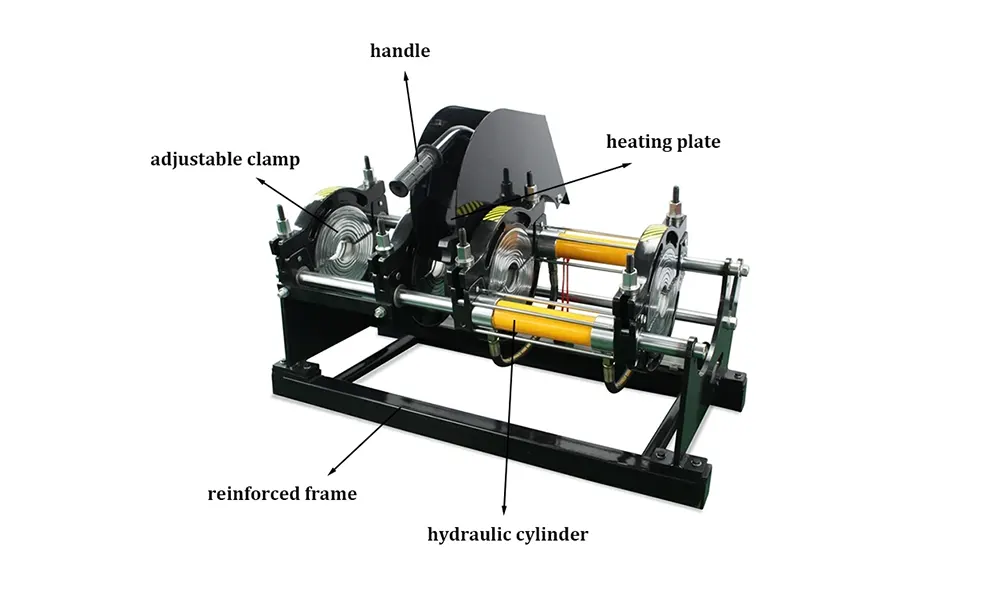
Machine Types Suitable for Cambodia
For contractors and utility teams operating across Cambodia, choose between three main categories depending on scale and automation needs:
- Manual butt fusion – best for small-diameter pipelines and remote sites where portability is critical.
- Hydraulic butt fusion – ideal for medium to large diameter pipes used in town waterworks and industrial applications.
- Automatic / CNC butt fusion – recommended for high-volume projects that demand repeatability and digital process control.
Typical Applications in Cambodia
Common uses include potable water mains, irrigation mains for rice and horticulture, gas distribution (where applicable), drainage and sewage networks, and industrial piping for factories and mining operations.
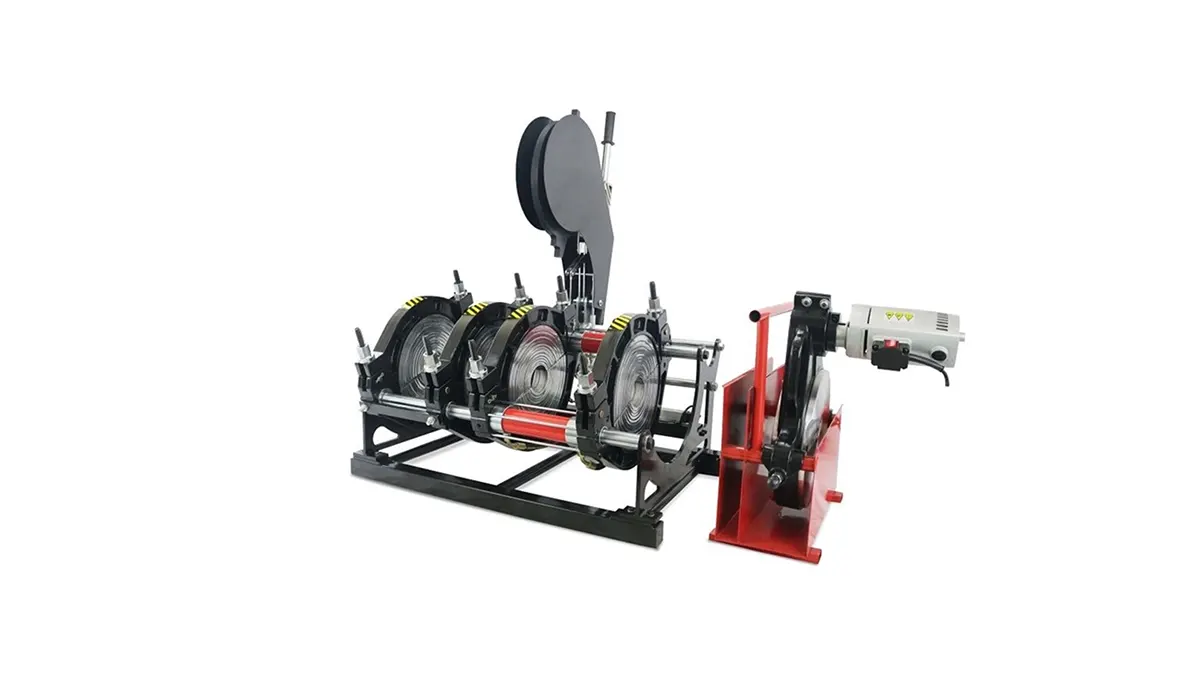
Recommended Specifications Table
| Model Category | Suitable Pipe OD | Best Use |
|---|---|---|
| Manual Units | 20mm – 160mm | Field repairs, rural water supply |
| Hydraulic Units | 160mm – 800mm | Municipal mains, irrigation trunk lines |
| Automatic / CNC Units | 63mm – 1000mm+ | Large infrastructure, repeated precision welds |
Buying and Deployment Tips for Cambodian Teams
Inspect local service capability: Prioritize suppliers that offer training, calibration, and spare parts support in Southeast Asia or via reliable logistics to Cambodia.
Choose the right training level: Field technicians benefit from hands-on fusion workshops that cover heating plate maintenance, alignment, and cold weather considerations for early mornings during the wet season.
Plan for accessories: Trimmers, clamps, and protective cases make on-site work faster and protect equipment from humidity and dust prevalent in construction zones.
Quality & Standards
Ensure weld procedures comply with international fusion standards and documented quality control (fusion logs, traceability). Proper machine calibration and operator certification will ensure joints meet required tensile and pressure performance for Cambodia’s water and industrial systems.
Service, Warranty, and Local Support
When procuring butt fusion machines for Cambodia’s varied terrain—from urban sewer upgrades in Phnom Penh to irrigation networks in Kampong Thom—confirm warranty terms, spare parts lead times, and remote technical support. The manufacturer provides a range of manual, hydraulic, and automatic machines supported by production and quality control systems to match project requirements.
Final Considerations
For durable, low-maintenance pipeline systems in Cambodia, investing in the correct fusion equipment and operator training pays off through reduced leaks and longer service life. Select equipment tailored to pipe size, project scale, and local environmental conditions to ensure on-time, on-budget delivery.



