
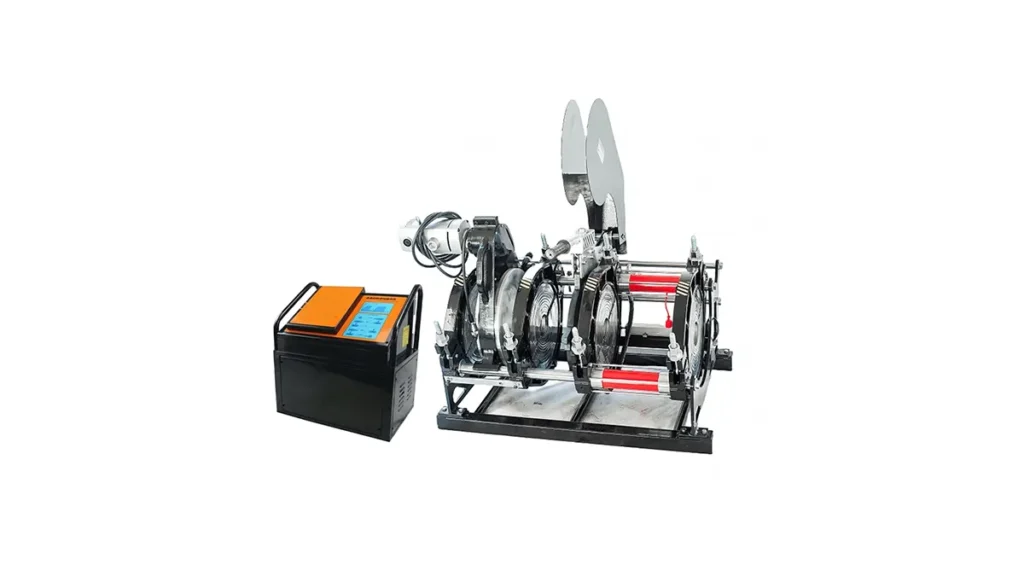
Poly pipe fusion machines are essential for creating leak-free, long-lasting joints in plastic piping systems. From small-diameter service lines to large-diameter infrastructure conduits, modern fusion equipment delivers consistent weld quality, increased installation speed, and reduced lifecycle costs for municipal, industrial, and energy projects.
What Is a Poly Pipe Fusion Machine?
Poly pipe fusion machines perform controlled heating and joining of thermoplastic pipes (HDPE, PP, PVDF) using methods such as butt fusion and electrofusion. These machines stabilize pipe ends, heat the surfaces to the correct temperature, and apply precise pressure to form a homogeneous weld. The result is a joint with strength comparable to the parent material and excellent resistance to corrosion and leakage.
Core Welding Methods
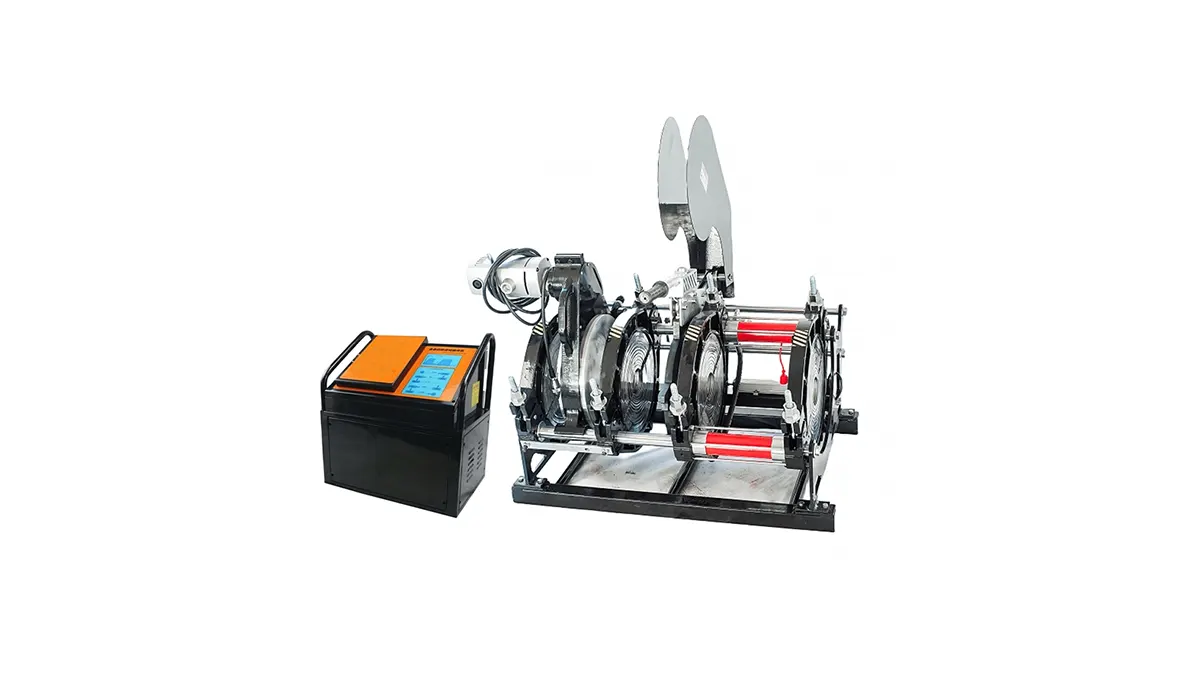
Butt fusion is the most widely used method for large and small diameter HDPE pipes — offering fast cycle times and strong structural joints. Electrofusion is preferred for fittings and complex assemblies where controlled, localized heating is needed. Advanced systems combine hydraulic actuation and CNC control to deliver repeatable results in demanding projects.
Key Benefits for Contractors and Engineers
- Reliable joints: Reduced leak risk and longer service life compared to mechanical couplings.
- High efficiency: Faster assembly on site, less excavation and downtime.
- Versatile range: Equipment options cover manual, hydraulic and fully automatic CNC-controlled welding for diameters from small service pipes to large-diameter mains.
- Quality traceability: Digital controls record weld parameters for verification and compliance.
Typical Applications
Poly pipe fusion machines are used across multiple industries: water supply and distribution, gas networks, mining slurry lines, wastewater, irrigation, and industrial process piping. The adaptability of fusion methods makes them suitable for on-site repairs, factory fabrication, and pipeline construction.
Model Comparison at a Glance
| Model | Type | Diameter Range | Control | Best For |
|---|---|---|---|---|
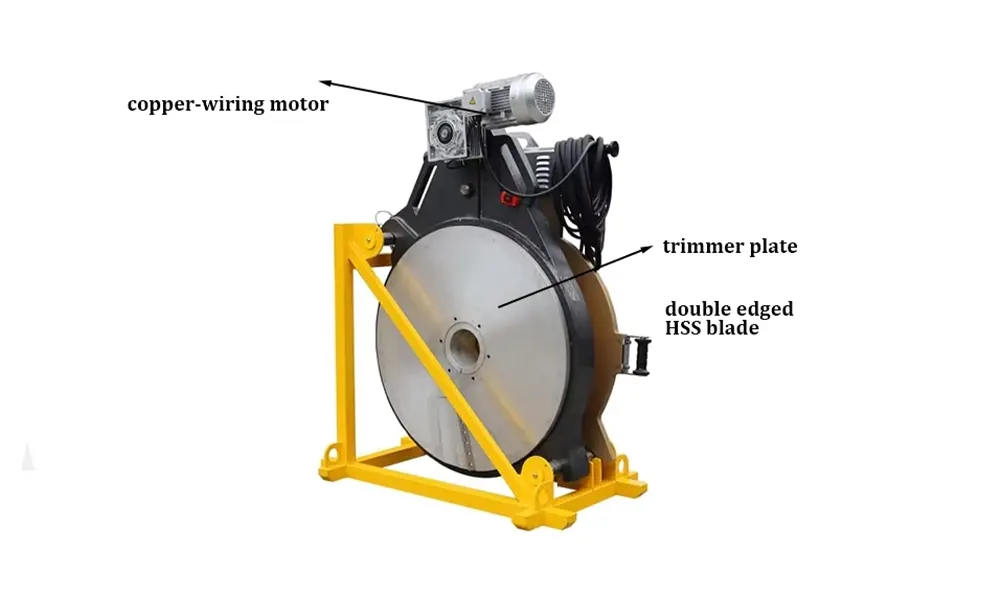
| JQST / JQLX | Manual Butt Fusion | 20–315 mm | Operator-controlled | Service lines, repairs |
| JQH Series | Hydraulic Butt Fusion | 63–2000 mm+ | Hydraulic pressure control | Mainline installations |
| JQA Series | Automatic CNC Butt Fusion | 63–630 mm (varies) | CNC / PLC automation | High-volume factory welding |
Quality Assurance and On-Site Support
Precision components, strict manufacturing tolerances and calibrated control systems are critical for consistent welds. Leading suppliers minimize project risk by offering pre-delivery testing, operator training, spare parts kits, and responsive technical support to ensure uptime on remote jobsites.
Choosing the Right Machine
When selecting fusion equipment, evaluate the pipe material and diameter range, site conditions, production volume and the required level of documentation. For contractors handling a mix of on-site repairs and long runs, a combination of manual and hydraulic machines provides flexibility. For plants and fabrication yards, automated CNC systems maximize throughput and weld traceability.
For manufacturers and distributors seeking a partner with a broad HDPE welding product range and global project experience, consider contacting JQ-Fusion via their website for product details and customization options: https://jq-fusionwelding.com/



