
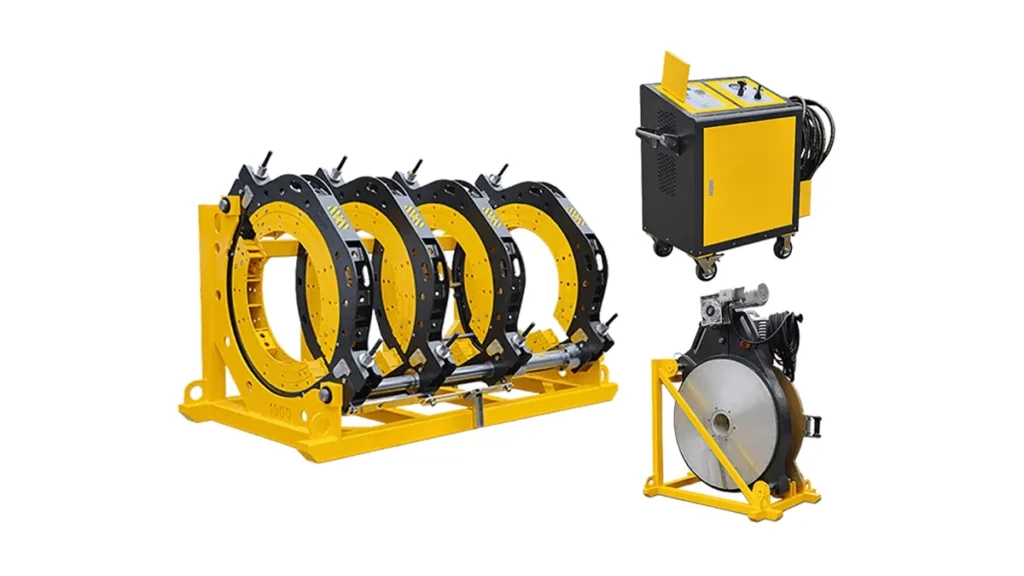
Delivering dependable pipe welding and installation solutions across Kenya requires machines that handle varied site conditions — from Nairobi’s urban networks to remote county water projects. JQ-Fusion is a professional manufacturer specializing in HDPE pipe welding machines, offering manual, hydraulic, and CNC automatic butt fusion systems designed for high-performance infrastructure work.
Reliable Butt Fusion Solutions for Kenyan Infrastructure
Butt fusion welding remains the preferred method for joining HDPE pipes used in municipal water supply, irrigation schemes, mining operations, and industrial plants throughout Kenya. Local contractors and county engineering teams benefit from equipment that combines portability, accuracy, and robust performance in hot, dusty, or rainy environments.
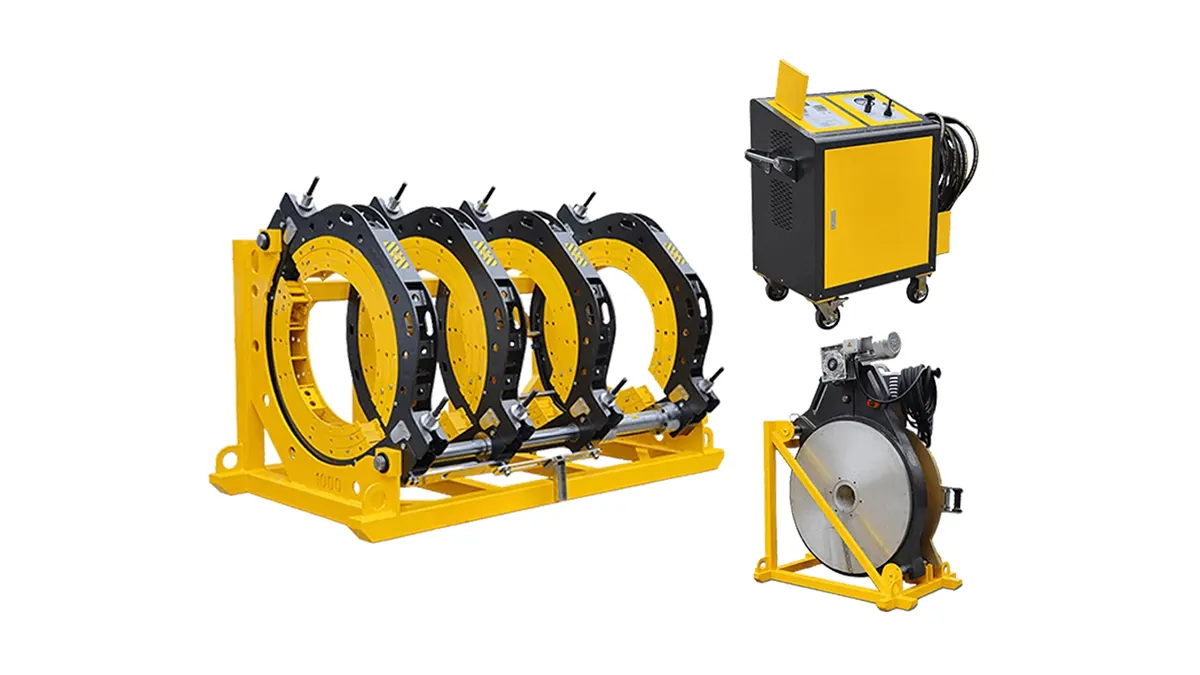
Key Benefits for Kenyan Projects
- Durability: Heavy-duty frames and corrosion-resistant components stand up to coastal humidity and inland dust.
- Accuracy: Hydraulic and CNC controls ensure consistent fusion parameters for leak-free mains and service lines.
- Versatility: Machines cover a wide pipe size range — from small-diameter distribution lines to large trunk mains used in county projects.
- Trainability: Simple operation modes and clear process steps reduce training time for local welding teams.
Models & Typical Applications
| Model Type | Suitable Pipe Dia | Typical Kenyan Use |
|---|---|---|
| Manual Butt Fusion | D20–D400 mm | Rural water supply, irrigation lateral lines |
| Hydraulic Butt Fusion | D160–D1200 mm | Urban distribution mains, county bulk water projects |
| Automatic/CNC Butt Fusion | D63–D1000+ mm | Long pipelines, industrial and mining applications |
| Multi-angle Fitting Machines | Fittings up to large angles | Complex networks, valve chambers, factory piping |
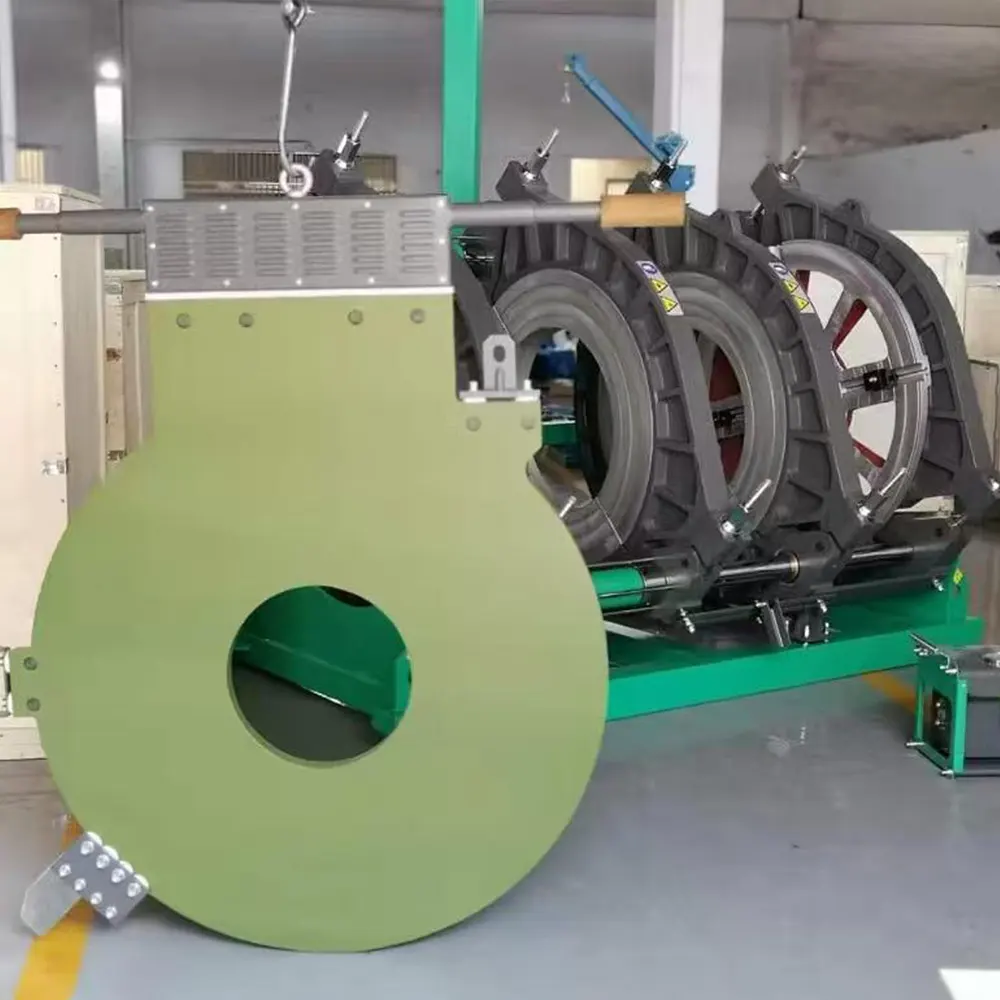
Installation Best Practices for Kenyan Conditions
Correct site preparation and process control are essential to long-lasting joints. Consider the following when working across Kenya’s varied terrain:
- Select a stable, level welding pad to avoid joint stress during cooling — especially important in seasonal rains and soft soils.
- Monitor ambient and pipe surface temperatures; apply standard fusion parameters and allow adequate cooling time to meet safety margins.
- Use portable protective shelters for welding on hot afternoons or during light rain to maintain heater plate performance.
- Record fusion data (heating time, fusion pressure, cooling time) for quality assurance and compliance with local authorities such as the Kenya Bureau of Standards.
Selecting the Right Machine for Your Project
Match machine capacity to project scale and workforce skills. For county water distribution and urban renewal works, hydraulic or automatic machines reduce cycle times and improve joint consistency. For remote or small-scheme installations, manual models offer portability and low operating cost.
Maintenance, Spare Parts & Training
Regular maintenance — greasing moving parts, inspecting heating plates, and checking hydraulic systems — keeps uptime high in demanding Kenyan projects. Local technicians can be trained quickly on routine service tasks, and a dependable parts supply chain ensures rapid replacement of wear items. The manufacturer’s responsive service team supports commissioning and after-sales training tailored to on-site realities.
Why Invest in Quality Welding Equipment
Investing in proven butt fusion machines reduces repair costs, minimizes leaks, and accelerates project delivery. Whether deploying in Nairobi’s expanding networks or in Turkana and Rift Valley irrigation schemes, robust equipment and trained operators deliver safer, more reliable pipelines — protecting communities and ensuring project longevity.
For specifications, spare parts, and support options, visit our website: https://jq-fusionwelding.com/



