
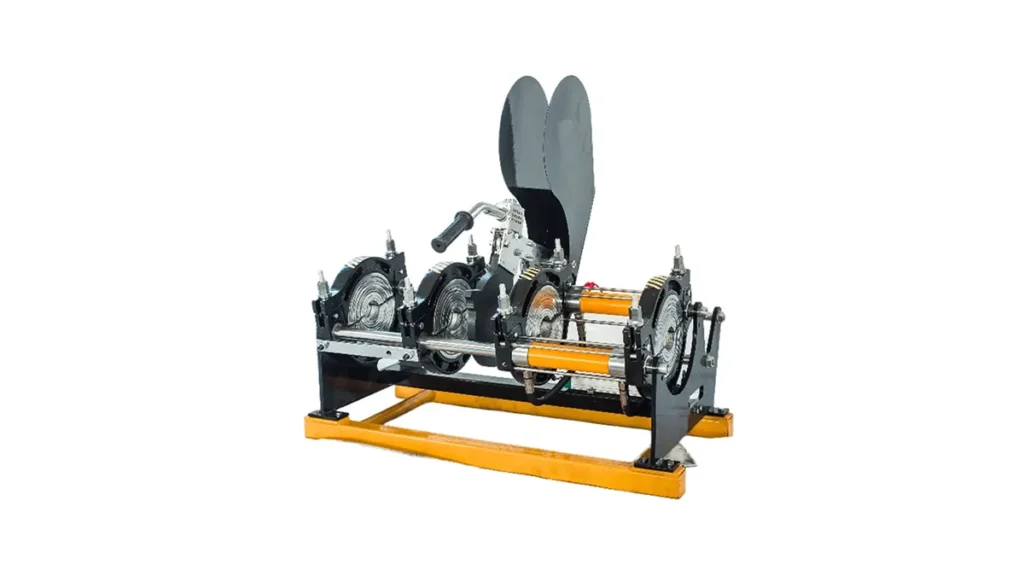
Reliable HDPE welding equipment is essential for safe, long-lasting pipeline networks in Sierra Leone — from urban water distribution in Freetown to rural irrigation and mining tailings management. Choosing the right butt fusion or electrofusion machine improves joint integrity, reduces leaks, and speeds project delivery across the country’s varied terrain and rainy-season challenges.
Why HDPE Welding Matters in Sierra Leone
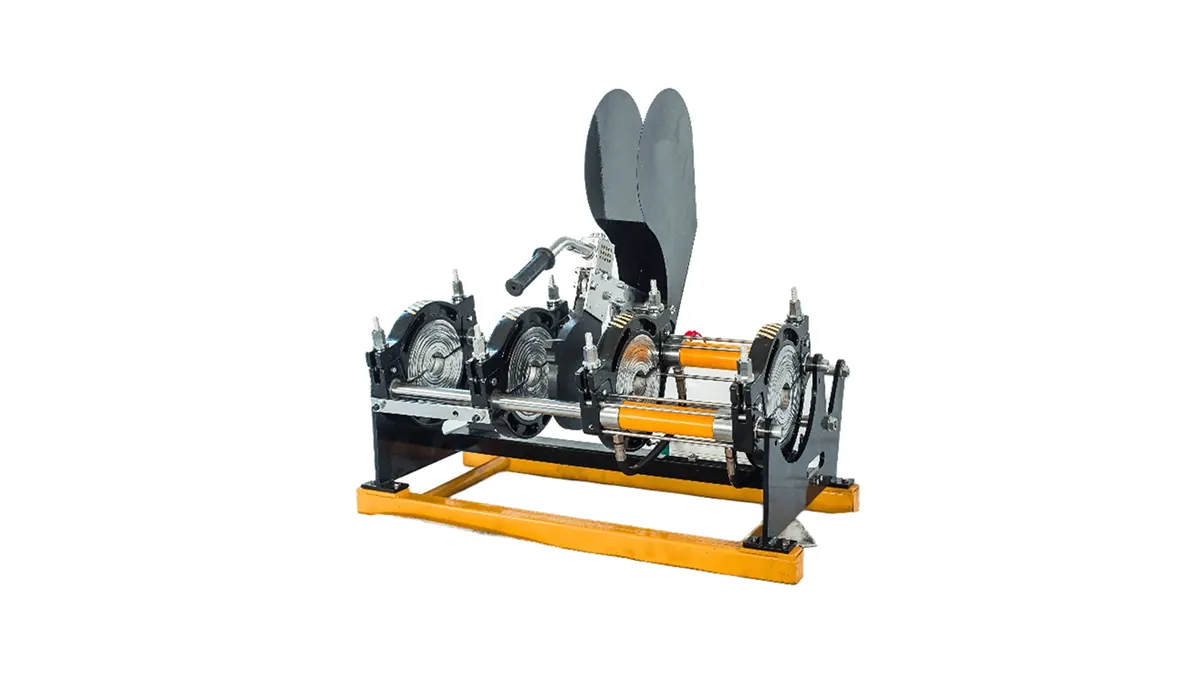
HDPE pipe systems are becoming the preferred choice across Sierra Leone due to their corrosion resistance, flexibility, and low lifecycle cost. For coastal towns, inland mining areas, and remote communities, properly executed butt fusion welding ensures watertight, durable joints that withstand soil movement, heavy rainfall, and long-term service loads.
Key Applications Across the Country
Typical local uses for HDPE pipelines in Sierra Leone include:
- Urban and rural potable water distribution
- Gas distribution and fuel transfer lines in industrial zones
- Irrigation and agricultural water management
- Mining slurry and tailings containment systems
- Sewage and stormwater management in coastal and flood-prone areas
Recommended Welding Equipment for Local Conditions
Select machines that match project scale, workforce skill level, and site conditions. The table below highlights common machine categories used for Sierra Leone projects.
| Machine Type | Pipe Range | Best Use |
|---|---|---|
| Manual Butt Fusion | 20mm – 315mm | Small rural projects, simple repair work |
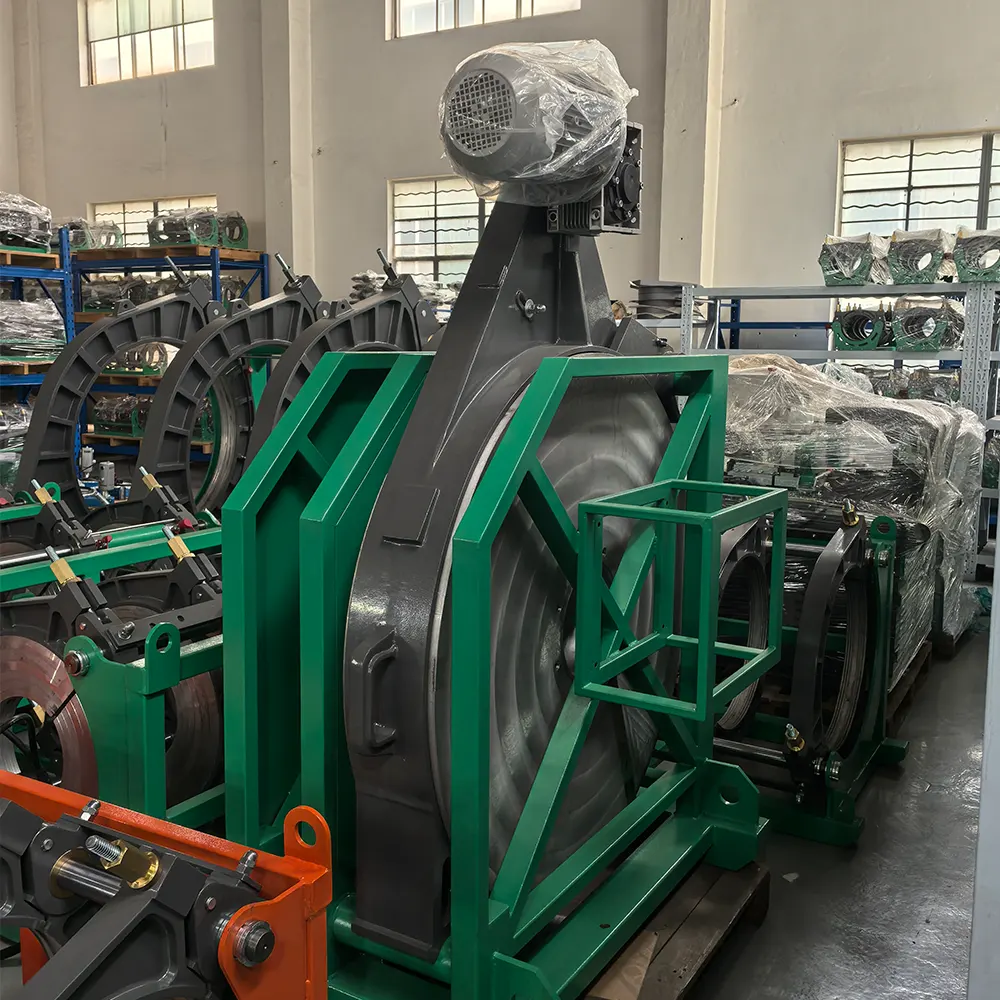
| Hydraulic Butt Fusion | 160mm – 1600mm+ | Municipal distribution, large-diameter pipelines |
| CNC Automatic Butt Fusion | 200mm – 1250mm | High-precision, repeatable joints for long linear projects |
| Electrofusion Units | 20mm – 630mm | Quick branch connections and repairs in congested sites |
Site Considerations for Sierra Leone Projects
Project teams should account for:
- Rainy season logistics — plan welding windows and protect heat plates and instrumentation from moisture.
- Power availability — portable generators or battery-backed control systems for remote sites.
- Transport limitations — choose compact machines for narrow roads and river crossings.
- Training and certification — local crews benefit from hands-on training to ensure weld quality and safety.
Quality, Testing & Standards
To meet long-term performance expectations, follow accepted fusion procedures, perform destructive and non-destructive testing where applicable, and document weld records. Reliable machines and proper calibration reduce the risk of joint failure in municipal and industrial installations.
Procurement Tips for Contractors and Utilities
When sourcing equipment, evaluate: warranty and spare parts availability, on-site technical support, delivery lead time, and the machine’s adaptability to local fuel and power supplies. Prioritize suppliers that offer training, clear operation manuals, and parts logistics for West Africa.
About
JQ-Fusion supplies a full range of HDPE welding machines and supports international infrastructure work with durable, customizable butt fusion and electrofusion equipment.



