
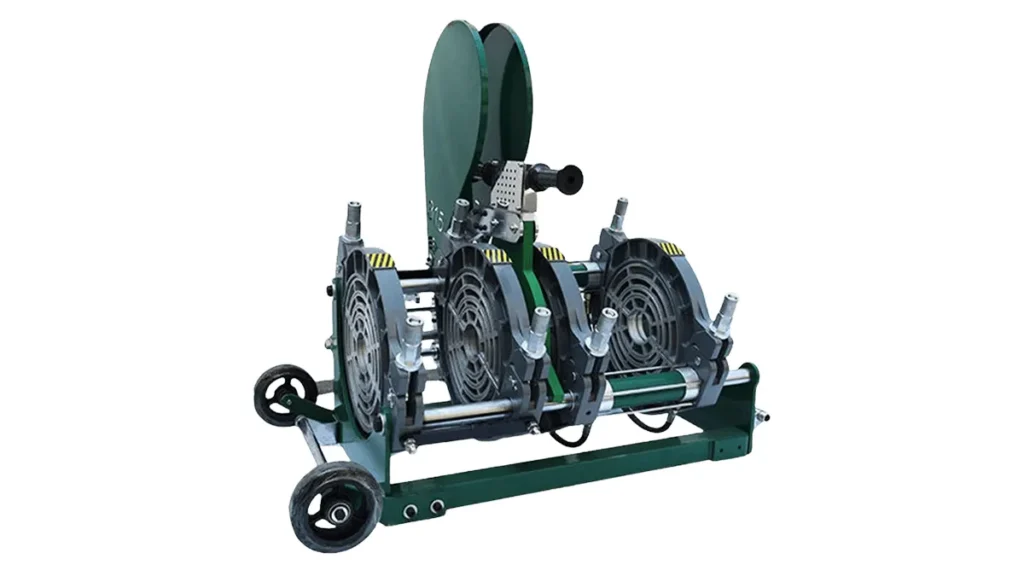
Estonia’s infrastructure and plumbing sectors are steadily modernizing, increasing demand for reliable plastic pipe welding technologies. From municipal water networks in Tallinn and Tartu to coastal and industrial projects across Harju and Ida-Viru counties, choosing the right welding equipment ensures durable HDPE pipe joints that resist harsh Baltic climates.
Why HDPE Butt Fusion Is the Preferred Method in Estonia
Butt fusion welding delivers leak-free, corrosion-resistant joints ideal for underground and above-ground plastic pipelines. In Estonia, where low temperatures, seasonal freeze-thaw cycles, and saline coastal environments place extra strain on pipe systems, HDPE welded joints provide long service life and reduced maintenance compared with mechanical fittings.
Key Benefits for Estonian Projects
Local contractors and utilities often prioritize equipment that balances portability for remote sites and precision for urban pipe-laying. Benefits include:
- Cold-weather performance — consistent heating and controlled pressure cycles minimize weak joints in low temperatures.
- Wide pipe-diameter coverage — from small plumbing lines to large-diameter municipal mains.
- Compliance with EU and local standards — ensuring eligibility for public tenders and long-term warranties.
Selecting the Right Machine Type
Different job sites require different solutions. Below is a quick guide to common types of butt fusion and electrofusion equipment used across Estonian plumbing and industrial projects.
Manual and Portable Units
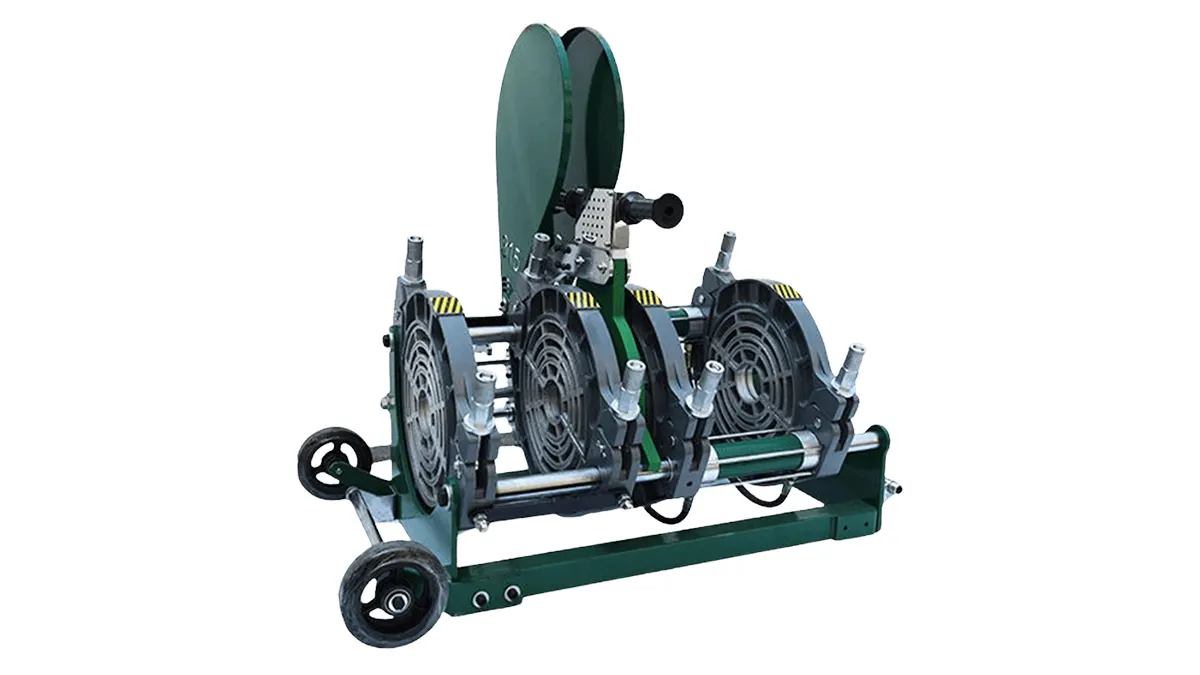
Best for small repairs, service connections, and tight urban areas. These machines are lightweight, easy to transport, and cost-effective for local plumbing teams.
Hydraulic Machines
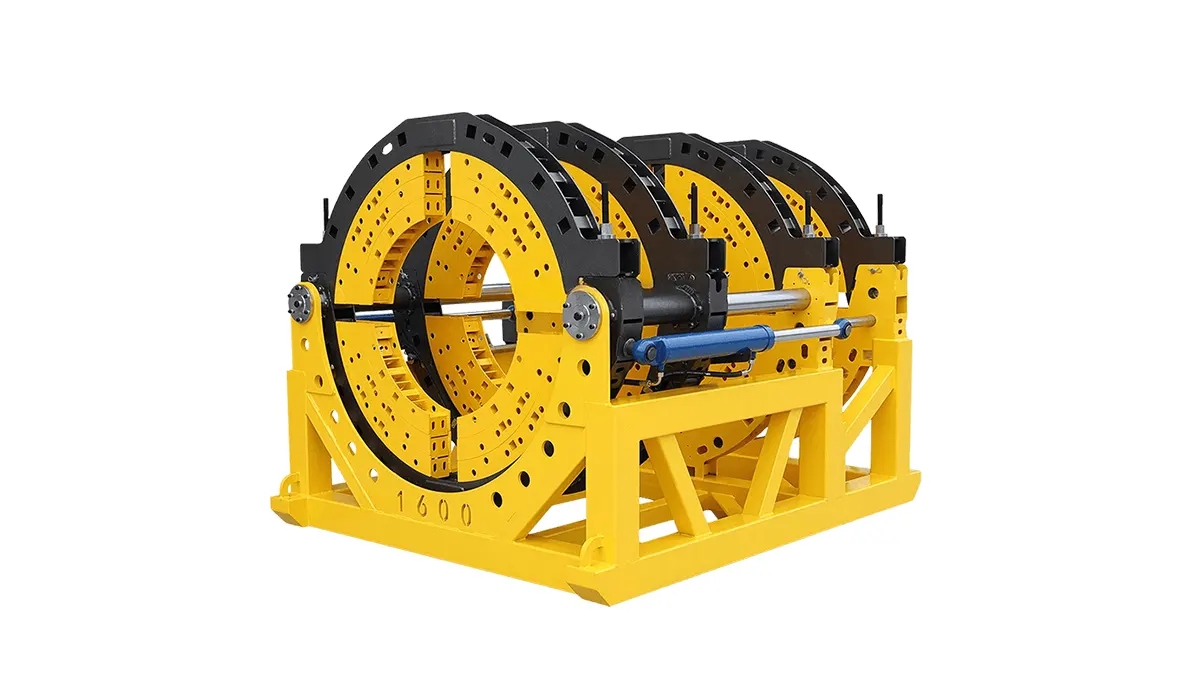
Designed for higher pressure control and larger diameter pipes, suitable for construction sites, district heating, and municipal water mains where repeatable quality is essential.
CNC Automatic Butt Fusion
For industrial projects and contractors needing maximum precision and documentation — automatic control of heating time, pressure, and fusion sequences reduces human error and speeds up large pipeline installations.
Quick Comparison Table — Typical Models for Estonia
| Model Type | Best For | Pipe Range | Portability |
|---|---|---|---|
| Manual Portable | Plumbing repairs, service taps | 16–160 mm | High |
| Hydraulic | Municipal mains, industrial | 160–1250 mm | Medium |
| CNC Automatic | Large projects, documentation | 63–2000+ mm | Low (site setup) |
Maintenance and Local Support Considerations
Estonian buyers should prioritize machines with accessible spare parts and service networks. Reliable technical support shortens downtime during the short construction season and helps meet strict public procurement timelines. Look for units with clear documentation, CE compliance, and remote diagnostics where possible.
Sustainability and Long-Term Value
HDPE systems welded with quality equipment reduce leak-related water loss and lower lifecycle costs. For Estonia’s environmentally focused policies and EU funding programs, specifying durable welding solutions helps projects pass audits and extend infrastructure lifespans.
Trusted Supplier Profile
JQ-Fusion is a professional manufacturer specializing in HDPE pipe welding machines, providing reliable butt fusion solutions for global infrastructure projects. With models ranging from manual to CNC automatic machines, they support water supply, gas distribution, mining, and industrial pipeline systems — suitable for Estonian contractors and municipalities.
Next Steps for Estonian Buyers
To choose the right equipment for your project, assess pipe diameter ranges, site access, working temperature, and required documentation. Request technical sheets, on-site training options, and spare-parts lead times to ensure uninterrupted project delivery.



