
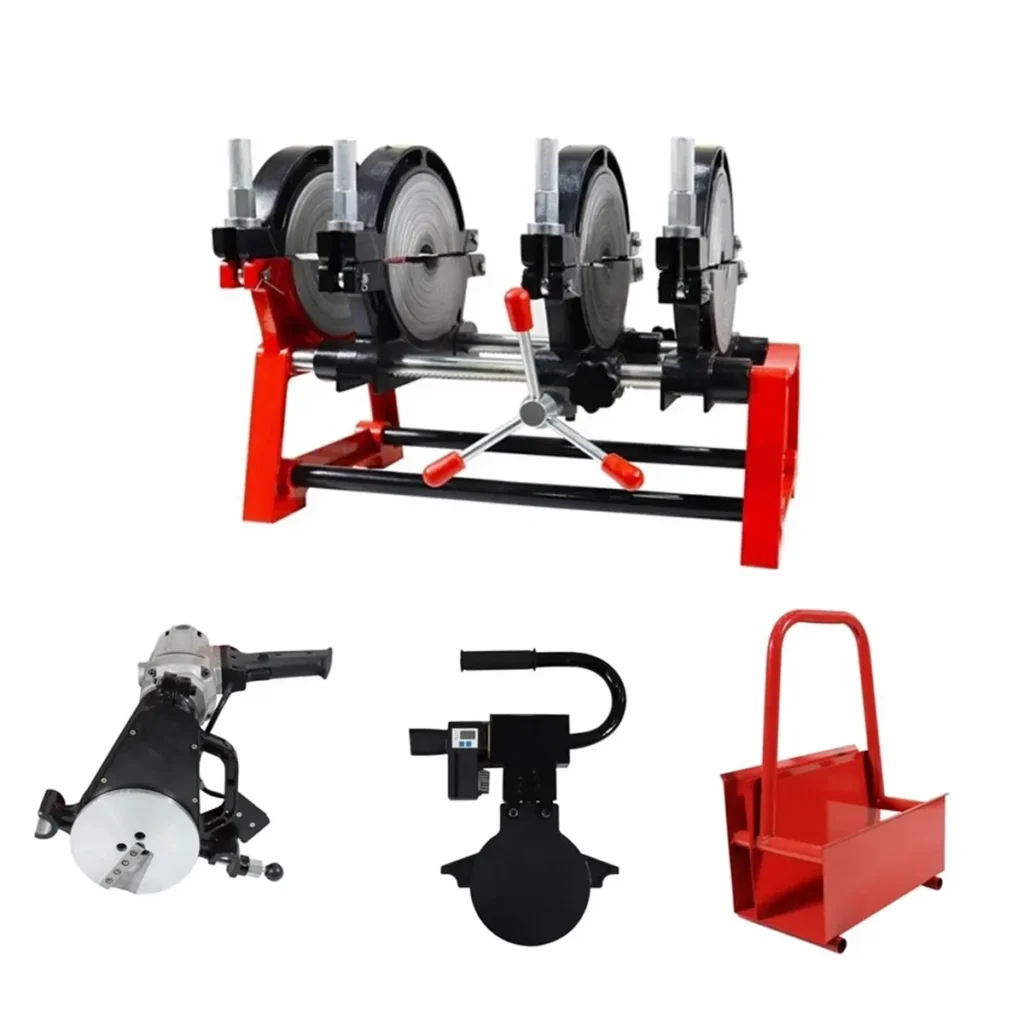
Discover how a PE digital display heat sealing machine delivers consistent, high-quality joints for HDPE and other thermoplastic pipes. This guide explains the technology, step-by-step fusion workflow, selection tips, maintenance best practices, and real-world applications to help contractors, utility crews, and pipeline fabricators choose the right solution for reliable plastic pipe fusion.
What Is a PE Digital Display Heat Sealing Machine?
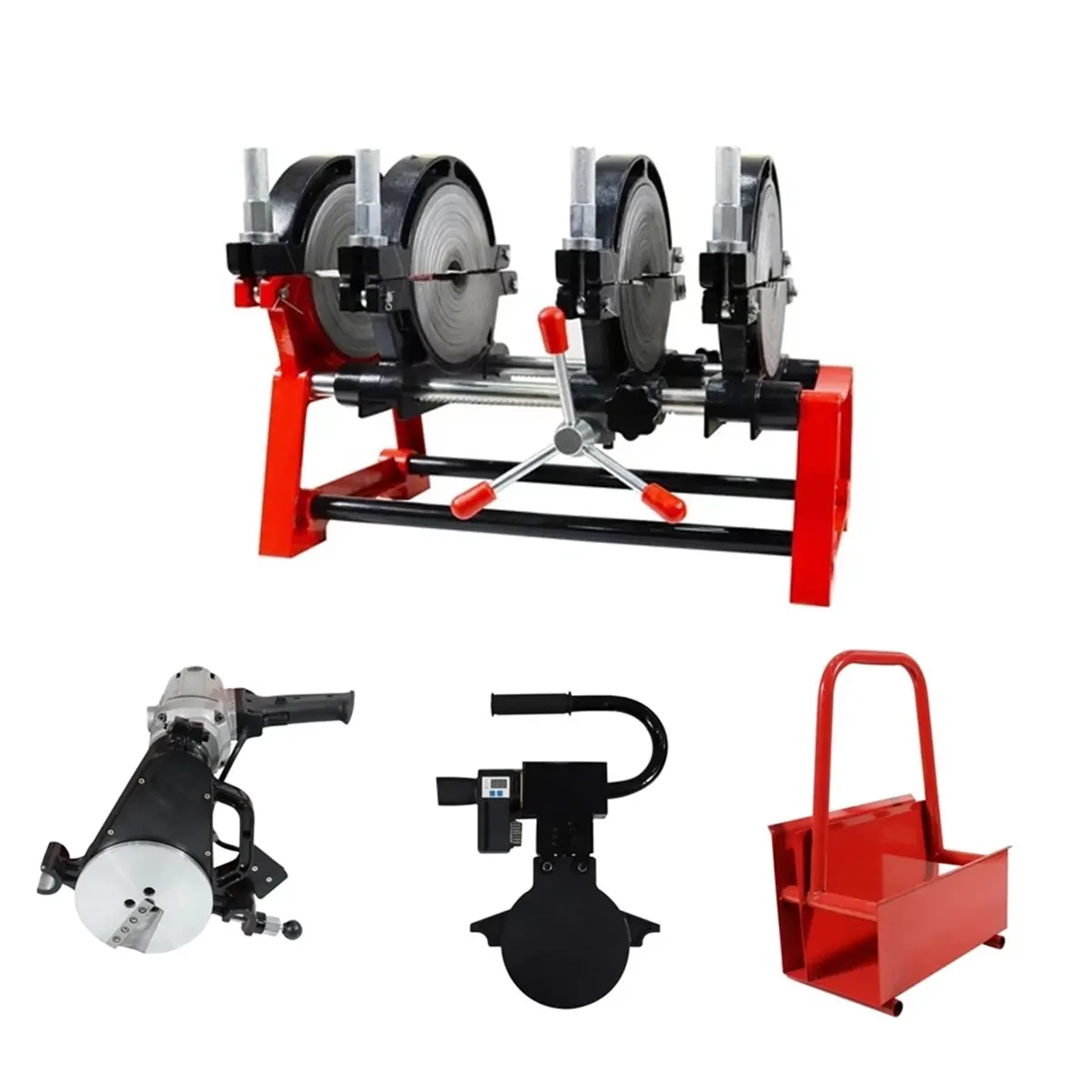
PE digital display heat sealing machines are specialized butt-fusion or heat-sealing systems equipped with a precise electronic display for controlling temperature, time, and sometimes pressure. The digital interface replaces analog gauges, enabling repeatable weld parameters for stronger, leak-free joints in water, gas, and industrial piping networks.
Why digital control matters
Digital displays provide accurate temperature readouts and programmable cycles, reducing operator error and improving weld consistency across multiple crews and job sites. For critical infrastructure, that repeatability translates to fewer leaks, lower maintenance costs, and safer pipelines.
Core Benefits for Contractors and Project Managers
-
Precision: Exact temperature and holding times minimize bad welds.
-
Documentation: Digital machines often log welding parameters for quality records and audits.
-
Speed: Faster setup and fewer retries increase productivity on long runs.
-
Safety: Controlled heating reduces thermal damage to pipes and surrounding materials.
Typical Applications
PE digital display heat sealing machines are ideal for municipal water mains, gas distribution, mining pipelines, irrigation systems, and industrial fluid transport where HDPE, PE, and similar thermoplastic pipes are used.
Step-by-Step Heat Sealing (Butt Fusion) Process
1. Preparation
Clean and align pipe ends. Use the facing tool to trim both ends for flat, perpendicular contact. Proper alignment is critical for uniform heat transfer during sealing.
2. Heating
Bring the heating plate to the programmed temperature (monitored on the digital display). Heat both pipe ends with uniform pressure for the specified melt time.
3. Fusion
Remove the heating plate and press the molten ends together under controlled pressure for the designated cooling time. Digital control ensures the hold time and temperature meet standards.
4. Cooling & Inspection
Allow the joint to cool while maintaining pressure. Inspect bead uniformity and consult logs if the machine records weld parameters. Nonconforming joints should be cut out and re-welded.
Choosing the Right PE Digital Display Heat Sealing Machine
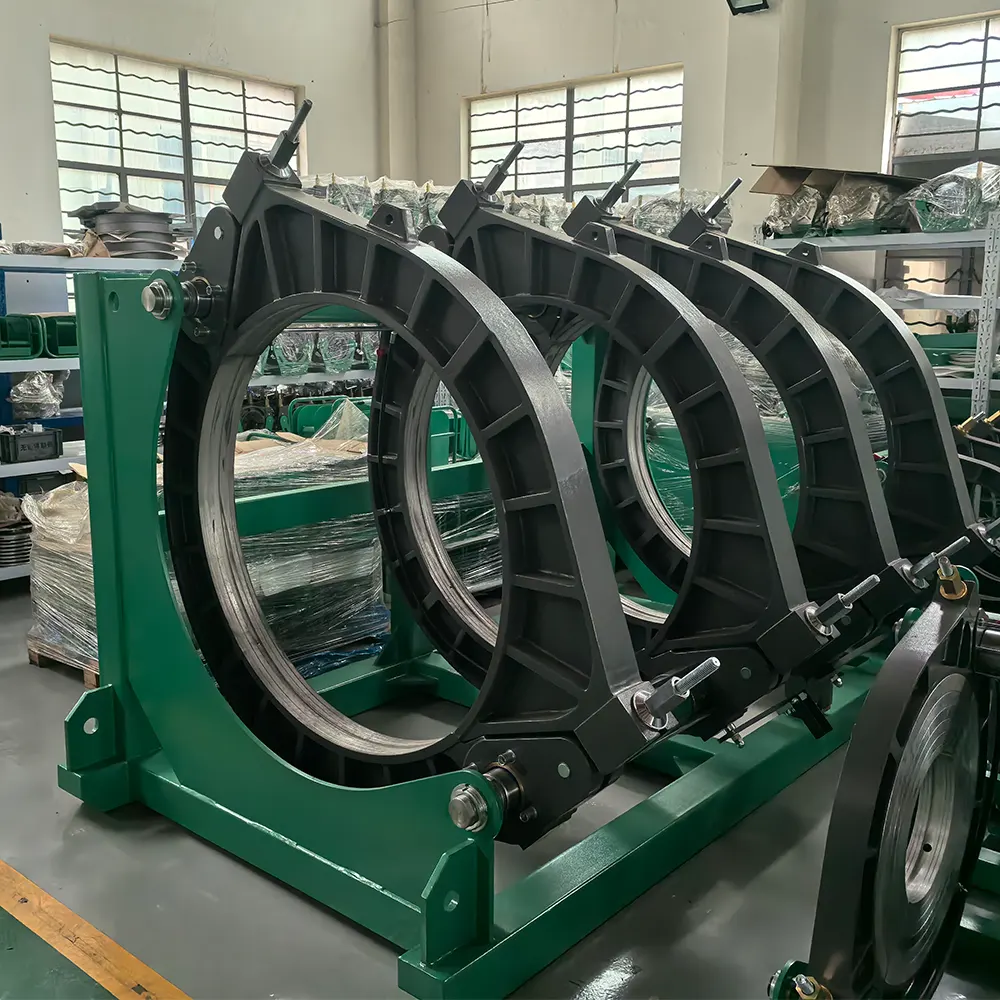
Match machine capacity to pipe diameter, material, and jobsite conditions. Consider manual, hydraulic, or CNC models depending on project scale and automation needs. Look for robust frames, easy-to-read displays, and serviceability.
Key selection criteria
-
Pipe diameter range: Verify minimum and maximum capacities.
-
Temperature accuracy: ±1–3°C for consistent melts.
-
Pressure control: Stable hydraulic or mechanical systems.
-
Portability vs. stability: Field portability matters for underground works; heavier frames suit factory prefabrication.
-
Data logging: Built-in or add-on capabilities for traceability.
Representative Machine Specifications
| Model | Pipe Ø (mm) | Heating Plate | Temp Range (°C) | Power |
|---|---|---|---|---|
| Manual HDPE Unit | 20–315 | Ø160–315 mm | 0–260 | 110–240V |
| Hydraulic Frame | 315–1000 | Custom large plate | 0–260 | 3–7 kW |
| Automatic CNC | 63–630 | Interchangeable | 0–300 | 5–10 kW |
Maintenance, Calibration & Safety
Routine maintenance and calibration keep digital heat-sealing machines performing at specification. Regularly check the heating element, sensor calibration, hydraulic seals, and the condition of facing tools. Operators must follow safety rules for high-temperature equipment and wear appropriate PPE.
Quick maintenance checklist
-
Verify temperature sensor accuracy (calibrate annually or per usage intensity).
-
Inspect and clean heating plates; replace worn non-stick covers.
-
Service hydraulic components and replace seals when leakage appears.
-
Confirm digital logs and backups are functional for project documentation.
How Digital Heat Sealing Compares to Electrofusion
Both methods produce strong joints, but they serve different needs. Heat sealing (butt fusion) is preferred for long pipe runs and larger diameters due to speed and uniform wall fusion. Electrofusion excels in fittings, repairs, and smaller-diameter connections with pre-molded couplers. Choose based on access, pipe type, diameter, and repair vs. new installation scenarios.
Common industries using PE digital heat sealers
-
Municipal water & wastewater
-
Natural gas distribution
-
Agricultural irrigation
-
Mining & industrial process piping
Buying Tips & Warranty Considerations
Request machine performance data, service intervals, and warranty terms. Ensure spare parts availability and ask about training or commissioning support. Look for machines with clear digital logging and easy-to-replace wear parts to reduce downtime.
Trusted supply note
For professional-grade HDPE welding equipment and global support, consider manufacturers with proven experience in butt-fusion systems such as JQ-Fusion.
Final recommendation
Invest in a PE digital display heat sealing machine that matches your pipe size range and project requirements. Prioritize accuracy, ease of use, and serviceability to achieve reliable, long-lasting pipe fusion results on every job.



