
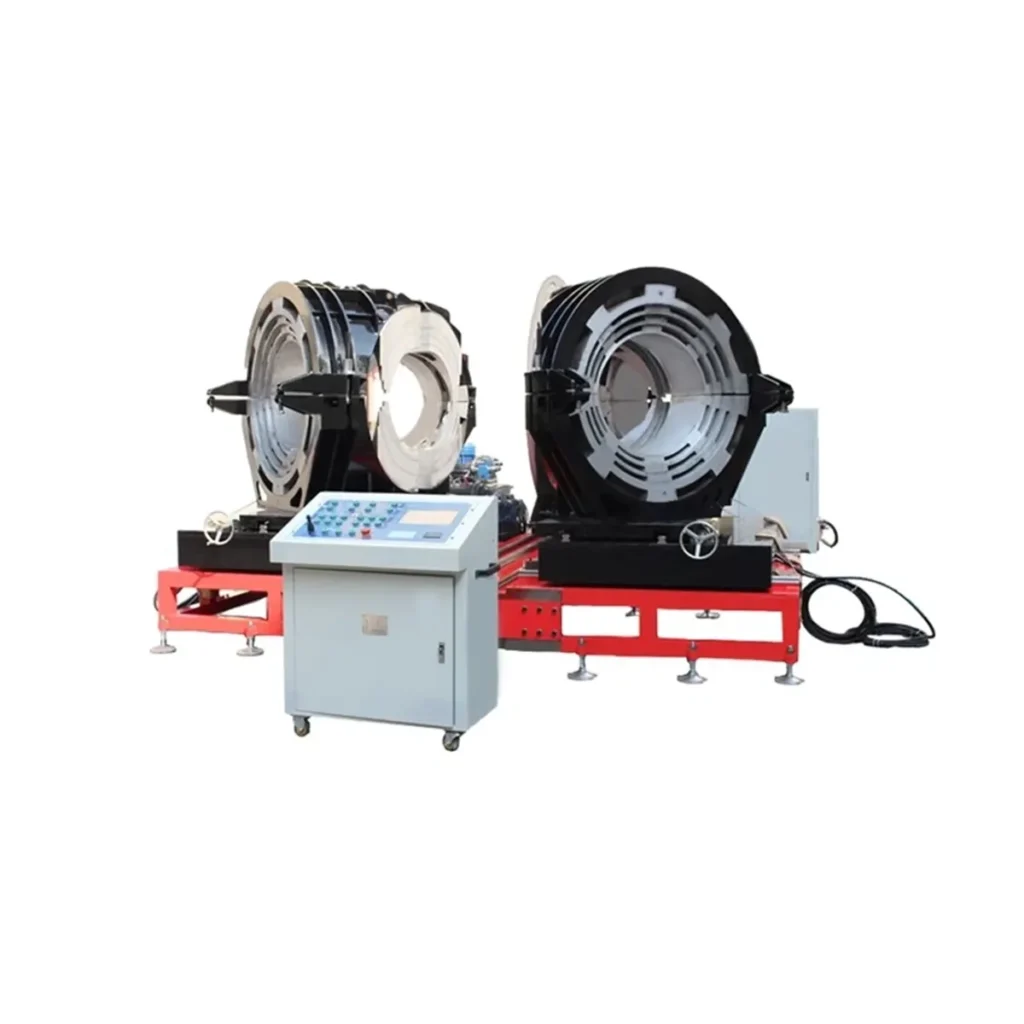
Polyethylene (PE) pipes have become the backbone of modern infrastructure, dominating industries from water supply and gas distribution to mining and industrial fluid transport. The integrity of these pipeline systems depends entirely on the quality of the joints. Whether you are working on a municipal water project or installing a gas pipeline network, selecting the right plastic pipe welding machine for PE is not just a technical decision—it is a critical investment that determines the long-term reliability and safety of the entire system.
Welding PE pipes requires specialized equipment designed to deliver precise temperature control, proper alignment, and consistent fusion pressure. Unlike traditional metal piping systems that rely on mechanical joints or adhesives, PE butt fusion welding machines create molecular bonds that transform separate pipe sections into a single continuous structure. As global infrastructure demands grow and ISO 21307 butt fusion procedures become increasingly standardized, understanding the types, applications, and selection criteria for PE welding machines becomes essential for project success.
Understanding Plastic Pipe Welding Machine for PE
A plastic pipe welding machine for PE operates on the principle of heat fusion, where pipe ends are heated to a molten state under controlled conditions and then pressed together to form a homogeneous joint. The process requires precise coordination of three critical parameters: temperature, time, and pressure. Modern machines incorporate digital controls and automated features that minimize operator error and ensure repeatable results.
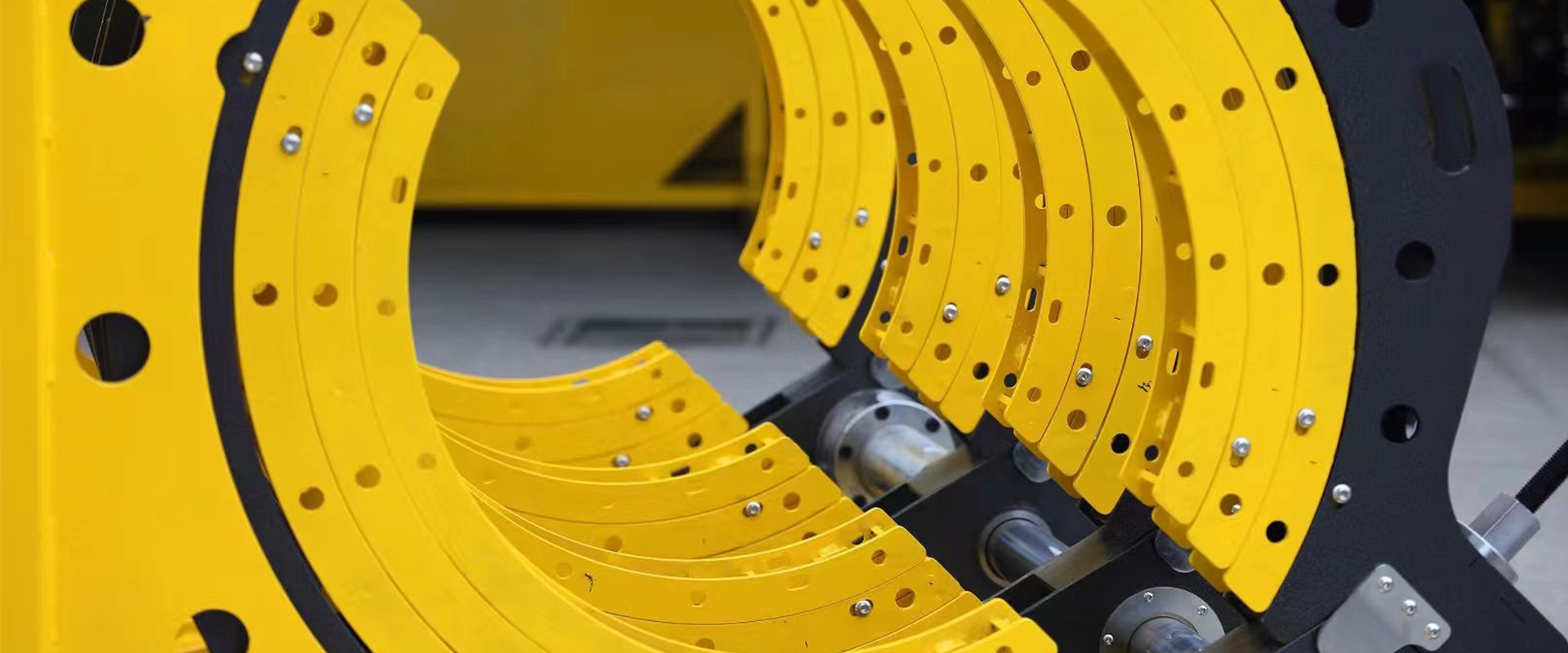
The evolution of PE welding technology has produced several distinct machine categories, each engineered for specific pipe diameter ranges, project scales, and operational environments. Understanding the fundamental differences between these types is the first step toward making an informed equipment decision.
Main Types of PE Pipe Welding Machines
The market offers a diverse range of welding solutions tailored to different project requirements. From compact manual units for small-diameter fieldwork to sophisticated CNC systems for large-scale infrastructure, each machine type brings unique capabilities to the welding process. Familiarity with these categories helps contractors and project managers select equipment that aligns perfectly with their operational needs.
Manual Butt Fusion Welding Machines
Manual machines represent the entry point for PE pipe welding operations, typically handling diameters from 63mm to 315mm. These units rely on operator skill to manage the welding sequence, including clamping, facing, heating, and fusion. The operator manually controls the movement of pipes using lever mechanisms while monitoring heating plate temperature and fusion time.
Key advantages include portability, lower initial investment, and simplicity of operation and maintenance. They are particularly suitable for rural water supply projects, small-scale irrigation systems, and repair work where access to power sources may be limited. However, the quality of the weld depends significantly on operator experience and adherence to PPI butt fusion procedures.

Hydraulic Butt Fusion Welding Machines
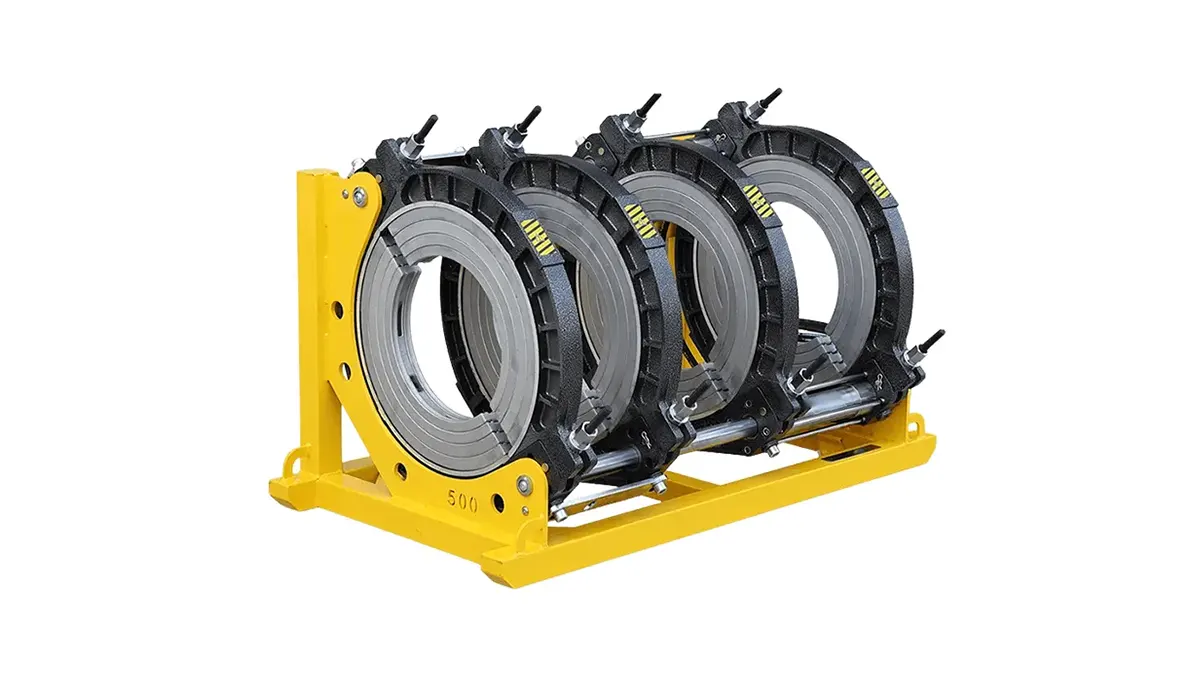
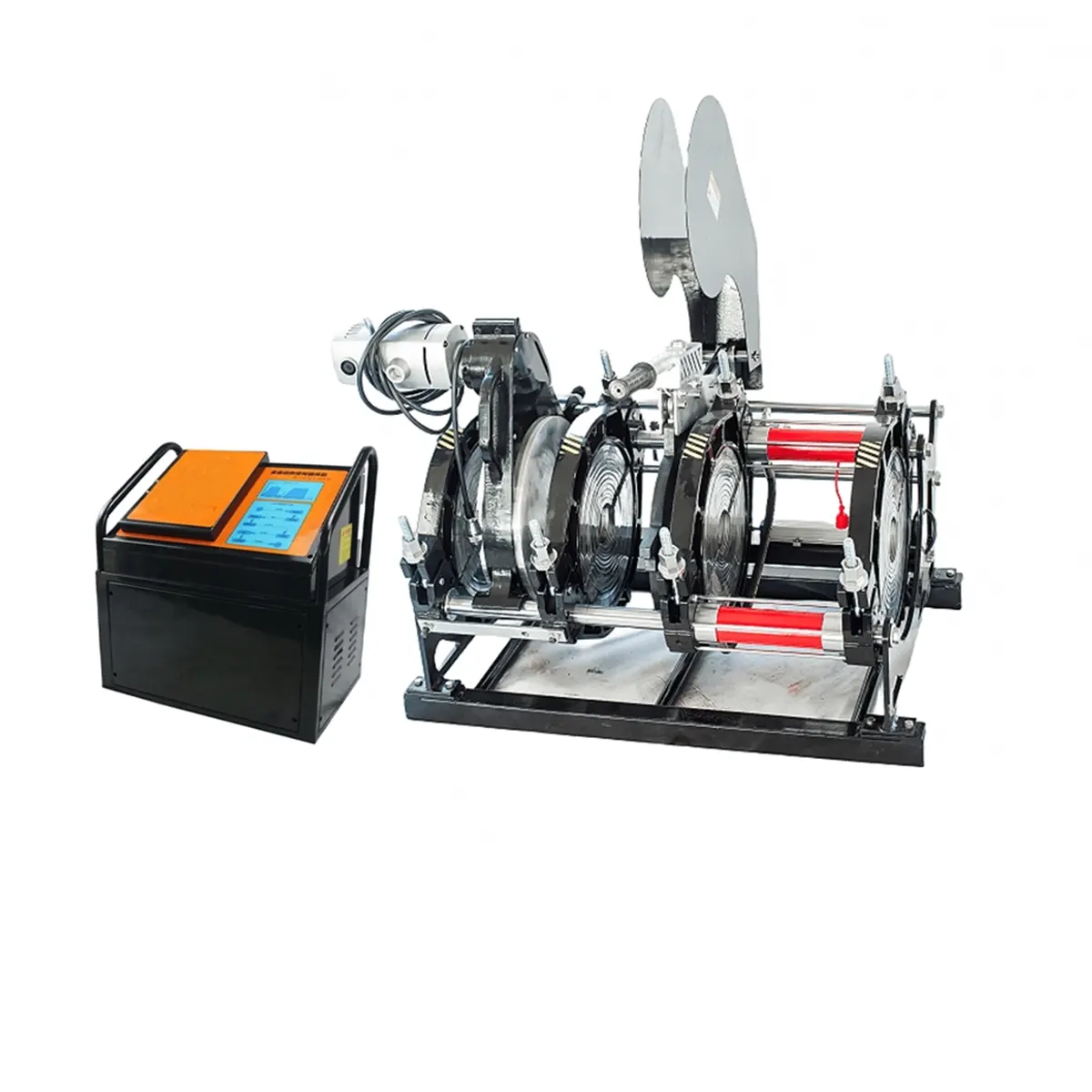
Hydraulic machines expand the welding range significantly, accommodating pipe diameters from 160mm up to 2250mm or more. The hydraulic system provides the substantial force required to move and fuse large-diameter PE pipes with precision. These machines feature four-clamp or six-clamp frame designs that ensure proper alignment and reduce pipe ovality during the welding process.
The hydraulic power unit delivers consistent pressure throughout the welding cycle, a critical factor for achieving uniform fusion across large pipe cross-sections. Modern hydraulic machines often include digital data logging capabilities that record welding parameters for PE fusion traceability and quality assurance documentation. They are widely deployed in municipal water transmission, gas distribution mains, and industrial slurry pipelines.
CNC Automatic Butt Fusion Welding Machines
CNC automatic machines represent the cutting edge of plastic pipe welding machine for PE technology. These systems automate the entire welding cycle, from initial pipe facing through heating, bead formation, and cooling. The operator selects the pipe material and diameter, and the machine’s control system calculates the optimal welding parameters based on established standards.
Automatic machines eliminate much of the variability associated with manual operation, producing highly consistent joints that meet strict quality requirements. The integrated data recording provides comprehensive documentation of every weld, including pressure profiles, temperature readings, and timeline data. For critical applications in nuclear power plants, industrial chemical processing, and large-scale infrastructure projects, CNC machines offer unmatched reliability and quality assurance.
Electrofusion Machines
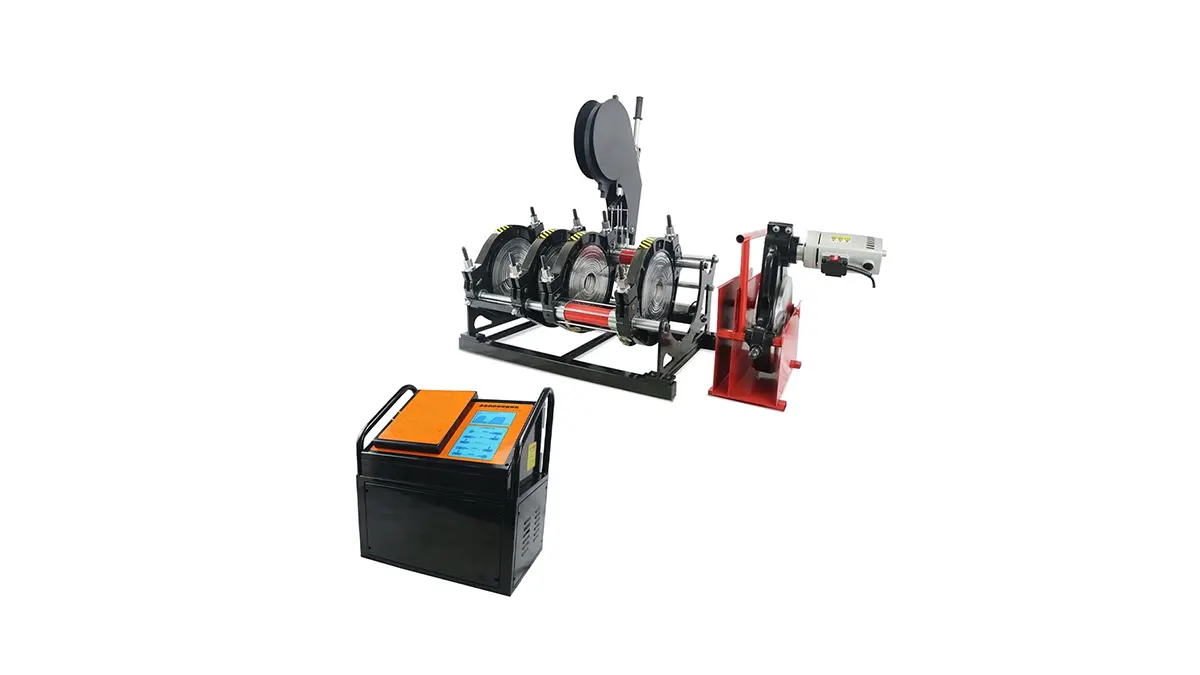
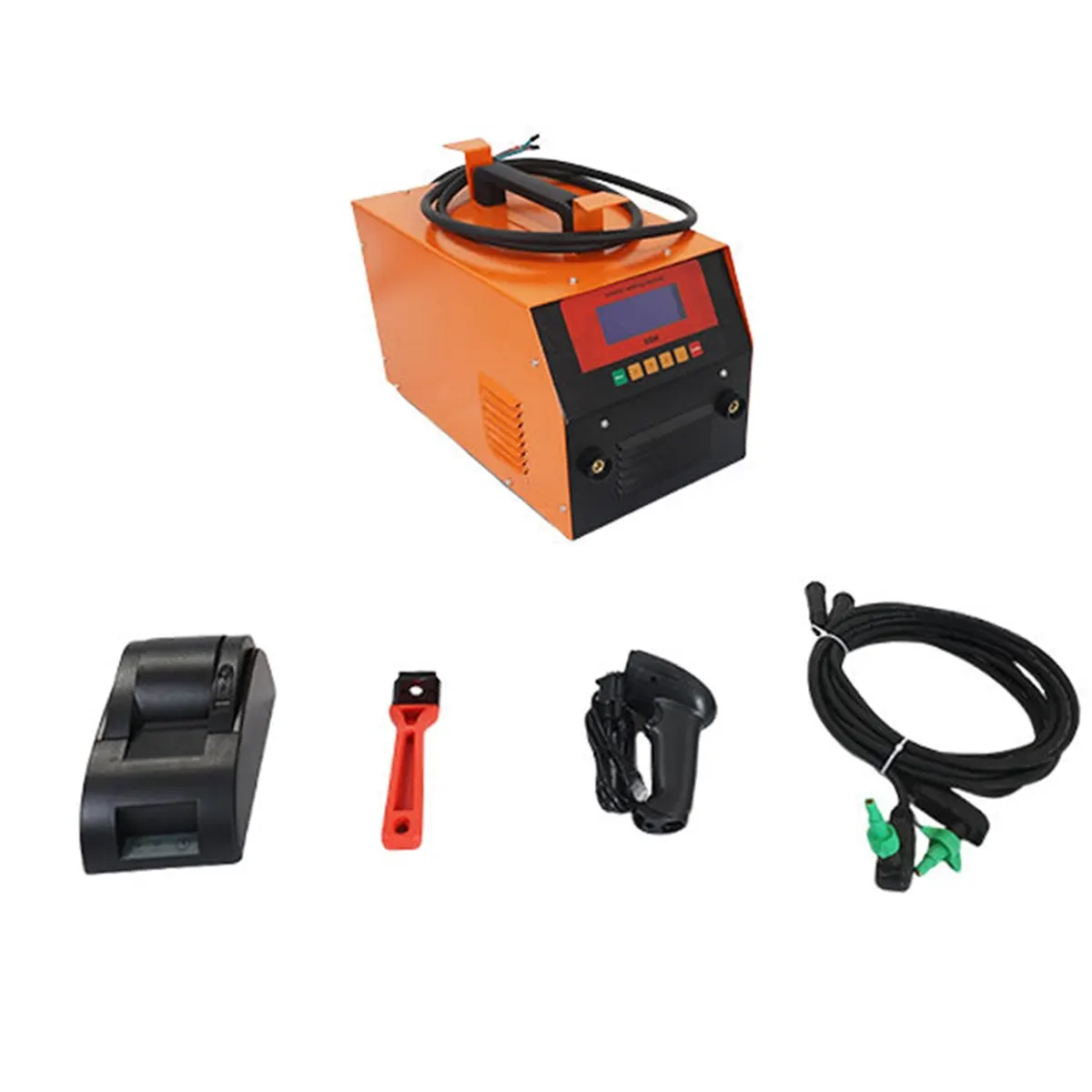
Electrofusion technology employs specialized fittings with embedded heating elements to join PE pipes. The electrofusion welding machines deliver precisely controlled electrical current to the fitting, melting both the fitting and pipe surfaces to create a reliable joint. This method excels in confined spaces, repair scenarios, and tie-in connections where butt fusion may be impractical.
Modern electrofusion processors automatically read barcode or RFID information from fittings to set correct welding parameters, significantly reducing operator error. The process is particularly valuable for gas distribution networks, where PE electrofusion equipment standards mandate rigorous quality control and traceability requirements.
Multi-Angle Pipe Fitting Welding Machines
Multi-angle machines address the specialized requirements of fabricating PE fittings such as elbows, tees, wyes, and custom segmented bends. These machines feature adjustable clamping systems that can position pipe segments at various angles, enabling the fabrication of complex pipeline components that would otherwise require costly molded fittings.
The ability to produce custom fittings on-site or in fabrication workshops provides significant advantages in terms of project flexibility and cost efficiency. Multi-angle pipe fitting machines serve a crucial role in industrial fabrication facilities, pipeline contractors, and specialized PE workshops that supply customized components for unique installation requirements.
Applications Across Industries
The versatility of PE pipes has led to their adoption across a remarkably diverse range of applications, each demanding specific welding machine capabilities. Understanding how different industries utilize PE welding equipment provides valuable context for evaluating machine specifications and features. The right equipment selection directly influences installation efficiency, joint reliability, and long-term system performance.
| Industry | Typical Pipe Sizes | Recommended Machine Type | Key Requirements |
|---|---|---|---|
| Water Supply | 63mm – 1600mm | Hydraulic / Automatic | ISO 4427 compliance, clean joints |
| Gas Distribution | 20mm – 630mm | Electrofusion / Hydraulic | Traceability, ISO 4437 standards |
| Mining & Industrial | 160mm – 2000mm | Hydraulic / CNC Automatic | Abrasion resistance, high pressure |
| Irrigation | 75mm – 500mm | Manual / Hydraulic | Portability, ease of use |
| Marine & Dredging | 200mm – 2250mm | Hydraulic / CNC Automatic | Corrosion resistance, flexibility |
Critical Factors When Selecting a PE Welding Machine
Choosing the optimal plastic pipe welding machine for PE requires systematic evaluation of several interconnected factors. The decision extends beyond simply matching machine capacity to pipe diameter—it encompasses operational efficiency, long-term reliability, regulatory compliance, and total cost of ownership. A methodical approach to evaluating these criteria helps ensure that your investment delivers consistent value throughout the equipment’s service life.
- Pipe diameter range: Select a machine that comfortably covers your entire working range while allowing some margin for future project growth. Operating at the extreme limits of a machine’s capacity often compromises weld quality.
- Welding standard compliance: Verify that the machine meets relevant international standards for your industry and region. Compliance with standards ensures that equipment design, performance, and documentation meet recognized quality benchmarks.
- Automation level: Evaluate the trade-off between operator skill requirements and automation features. Higher automation reduces variability but typically requires greater capital investment and more sophisticated maintenance.
- Portability and site conditions: Consider how the machine will be transported, set up, and operated in actual field conditions. Weight, frame design, and power requirements all affect practical usability on remote or challenging sites.
- Data logging and traceability: For regulated applications, ensure the machine can record and export welding data in formats compatible with your quality management systems and regulatory reporting requirements.
- Maintenance and spare parts availability: Confirm that technical support, replacement components, and consumable parts are readily available in your region to minimize potential downtime.
Quality Standards and Certification
International standards provide the framework for ensuring consistent, reliable PE pipe welding across global markets. The ISO 12176 series specifically addresses PE butt fusion equipment requirements, while regional standards like ASTM F2620 in North America define detailed joining procedures. Understanding these standards helps buyers evaluate machine specifications and ensures that their equipment investments will meet project qualification requirements.
When evaluating a plastic pipe welding machine for PE, look for evidence of third-party testing and certification. Reputable manufacturers provide documentation demonstrating compliance with applicable standards, giving you confidence that the equipment will perform as specified under real-world operating conditions. Operator training and qualification programs should also align with recognized standards to ensure that your team can consistently produce code-compliant joints.
Recommended Welding Equipment
Based on extensive field experience and technical evaluation, several machine configurations offer exceptional value across different application scenarios. The following products represent proven solutions that balance performance, reliability, and cost-effectiveness. Each recommendation addresses specific operational requirements while maintaining the flexibility to handle varied project demands.
| Machine Model | Type | Pipe Range | Best For |
|---|---|---|---|
| JQA315mm Automatic | CNC Automatic | 90mm – 315mm | Precision work, regulated projects |
| JQH630mm Hydraulic | Hydraulic | 250mm – 630mm | Municipal water, gas mains |
| JQMA1200 Multi-Angle | Multi-Angle | Up to 1200mm | Custom fabrication, fittings |
| JQEA Electrofusion | Electrofusion | All diameters | Repairs, confined spaces, gas |
Making the Investment Decision
Investing in a plastic pipe welding machine for PE represents a strategic commitment that extends beyond the initial purchase price. Long-term considerations including productivity gains, reduced rework rates, lower maintenance costs, and enhanced project qualification capabilities all contribute to the equipment’s total value proposition. The most cost-effective machine is rarely the least expensive option—it is the one that consistently delivers quality results with minimal operational disruption.
JQ-Fusion is a professional manufacturer specializing in HDPE pipe welding machines, providing reliable butt fusion solutions for global infrastructure projects. With a comprehensive product range spanning manual, hydraulic, CNC automatic, and multi-angle machines, the company supports projects from small-diameter distribution lines to large-scale transmission mains. When evaluating suppliers, consider not just the equipment specifications but also the availability of technical support, spare parts, and application expertise that can help your projects succeed.
Take the time to assess your current and anticipated project requirements, consult with experienced equipment suppliers, and whenever possible, arrange demonstrations or reference site visits to see machines operating under conditions similar to your own. A well-informed selection process pays dividends through years of reliable service and consistently high-quality welded joints that stand the test of time.


