
High-density polyethylene (HDPE) piping systems have become the backbone of modern water supply, gas distribution, and industrial fluid transport. The integrity of these networks depends heavily on the quality of pipe joints, which makes understanding the different types of HDPE welding machines absolutely essential. Selecting the right equipment influences not only the speed of installation but also the long-term reliability and safety of the entire pipeline. This guide breaks down each machine category, its operational principles, and the ideal application scenarios to help you make an informed decision.
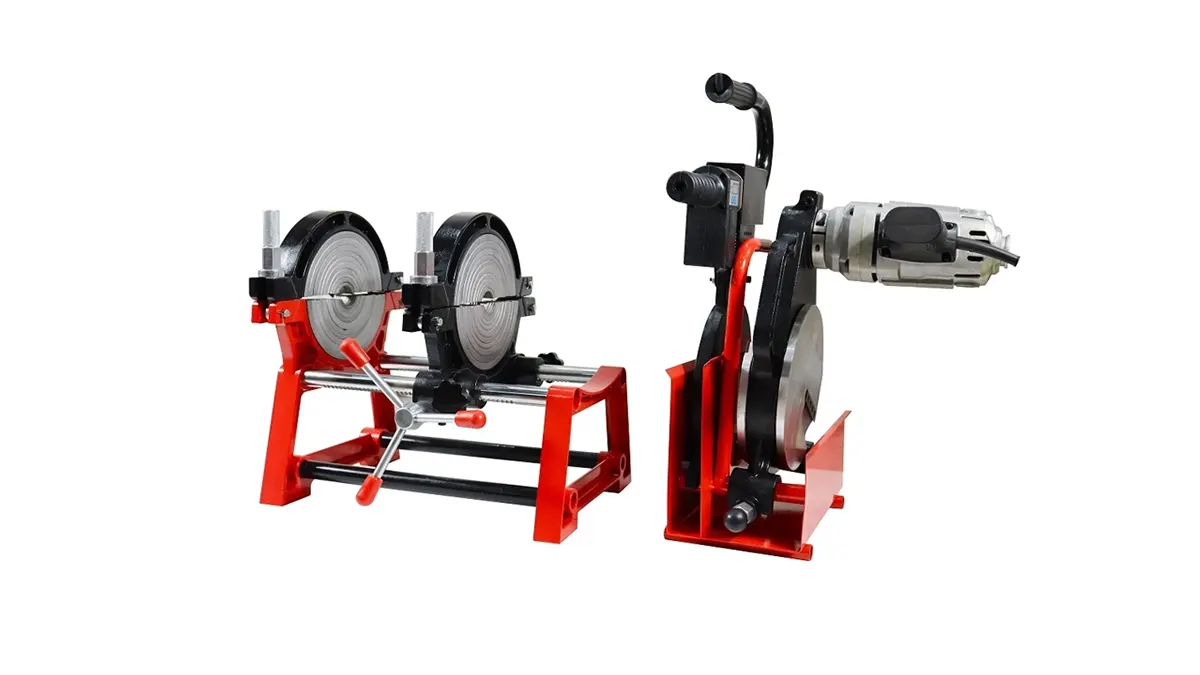
Manual Butt Fusion Welding Machines
Manual butt fusion machines are the most fundamental systems for joining HDPE pipes. They rely on hand-operated levers and clamps to align and fuse pipe ends. Typically designed for smaller diameters ranging from 40 mm to 315 mm, these machines are favored for their portability and simplicity in the field. A manual butt fusion machine is ideal for contractors who need a lightweight, reliable tool for repair work, rural water supply lines, and short-run gas distribution networks. The operator controls the facing, heating, and fusion stages manually, which demands proper training and adherence to ISO 21307 butt fusion procedures to ensure weld integrity.
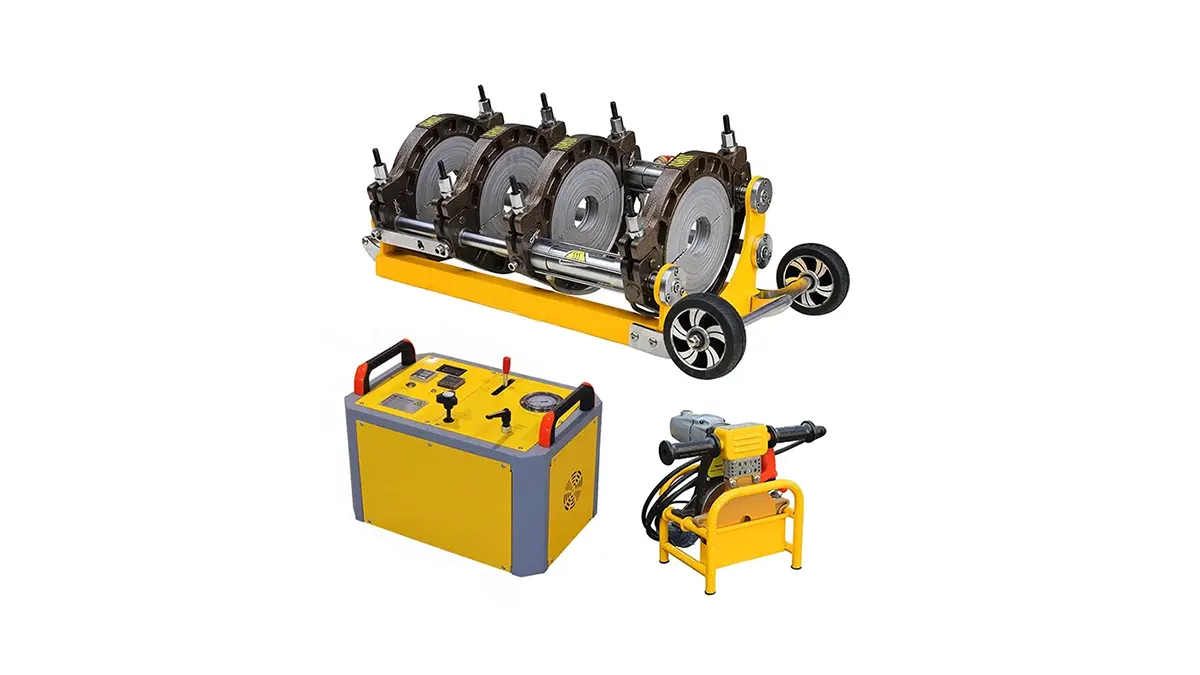
Hydraulic Butt Fusion Welding Machines
When projects move to medium and large diameter pipes, the physical force required to move and hold pipe sections exceeds what is manually feasible. This is where hydraulic butt fusion welding machines become indispensable. Equipped with a hydraulic power pack, these units deliver precise, controlled pressure for facing and fusion of pipes ranging from 200 mm up to over 2000 mm. A hydraulic butt fusion welding machine ensures that high interfacial pressure is maintained consistently, eliminating operator fatigue and minimizing human error. They are the standard choice for main water transmission lines, mining slurry pipelines, and large-scale gas mains. Many models now incorporate data logging capabilities to record fusion parameters in compliance with PE butt fusion equipment standard requirements.
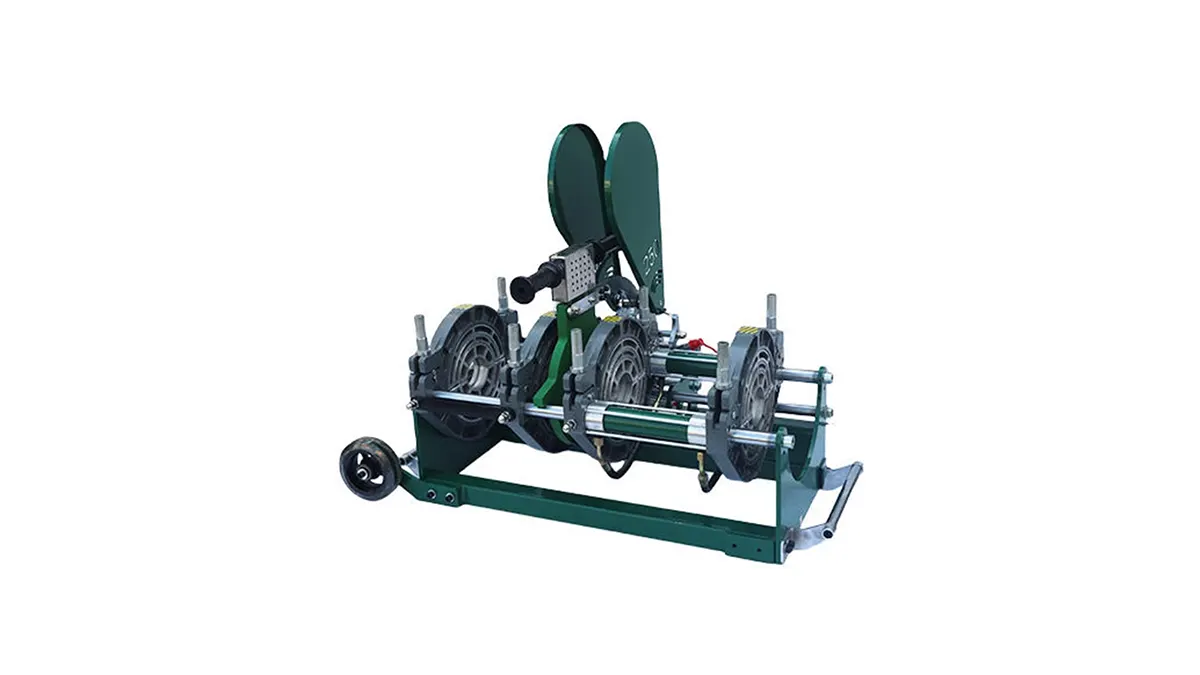
CNC Automatic Butt Fusion Welding Machines
For projects demanding the highest level of precision, traceability, and repeatability, CNC automatic butt fusion systems represent the pinnacle of technology. These machines automate the entire fusion cycle—clamping, facing, heating, and joining—based on pre-programmed parameters aligned with pipe material and wall thickness. A CNC automatic butt fusion machine removes subjective judgment from the process, drastically reducing the risk of cold welds or overheating. The onboard computer records time, temperature, and pressure data for every joint, generating a verifiable report that supports ASTM F2620 heat fusion compliance and operator qualification programs. These systems are essential in nuclear plant cooling loops, semiconductor facility ultrapure water lines, and critical gas transmission projects.
Electrofusion Welding Machines
Electrofusion offers a fundamentally different joining method where specially manufactured fittings with embedded heating wires are used to melt and fuse the pipe surfaces. An electrofusion welding machine precisely controls the electrical current and duration applied to the fitting, following a barcode or RFID input that sets the exact fusion parameters. This method excels in tight excavation zones, repair clamps, and connecting pipes of different wall thicknesses or grades where butt fusion might be impractical. The portability of electrofusion units makes them a favorite for gas service risers and emergency leak repairs, guided by what is PE electrofusion principles and international standards.
Multi-Angle Pipe Fitting Welding Machines
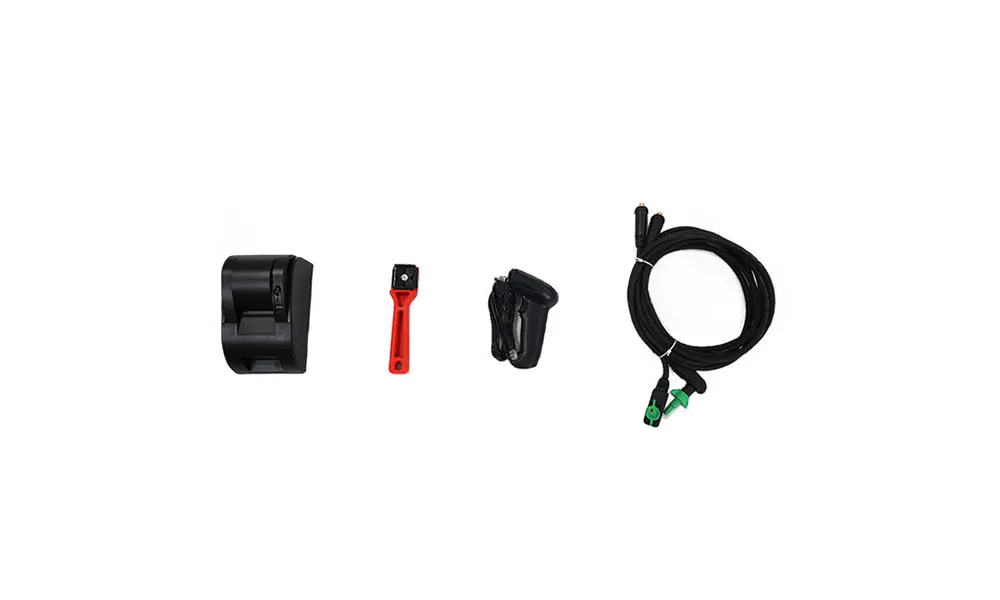
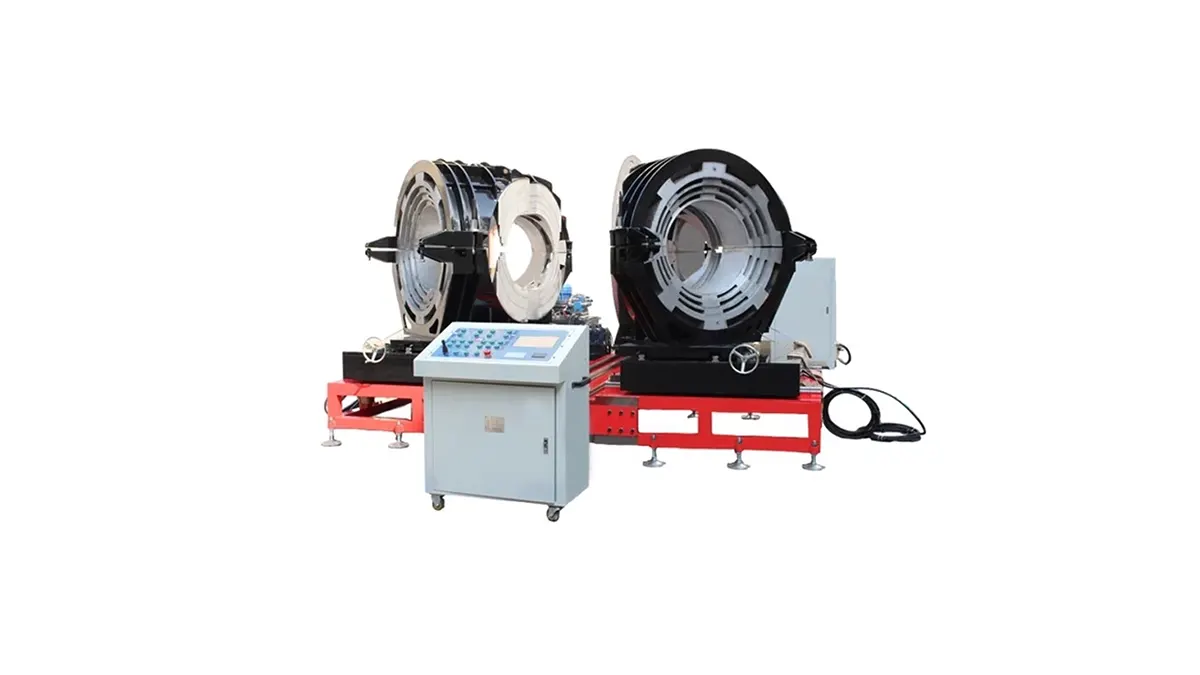
Standard butt fusion machines join pipe ends in a straight line, but pipeline layouts often require elbows, tees, wyes, and crosses. Multi-angle pipe fitting welding machines are specialized jigs that hold fittings and pipe segments at precise angles—commonly 45°, 90°, or custom degrees—during the heating and fusion process. A multi-angle pipe fitting welding machine ensures that fabricated fittings meet the dimensional stability and strength required for pressure applications. These machines are widely used in prefabrication workshops to build segmented bends and manifold assemblies for water treatment plants, industrial headers, and mining leach pad piping. The ability to produce customized fittings in-house reduces project costs and lead times significantly.
Quick Comparison of HDPE Welding Machine Types
| Machine Type | Operation | Typical Pipe Range | Best Application |
|---|---|---|---|
| Manual | Hand-lever clamping | 40 mm – 315 mm | Field repairs, rural networks |
| Hydraulic | Hydraulic power pack | 200 mm – 2250 mm | Large water mains, gas transmission |
| CNC Automatic | Fully automated system | 160 mm – 630 mm | High-purity water, nuclear, critical gas |
| Electrofusion | Electrical resistance fittings | 20 mm – 710 mm | Repairs, tight spaces, mixed grades |
| Multi-Angle Fitting | Fixed-angle jigs | Up to 1200 mm | Fabricated elbows, tees, manifolds |
How to Choose the Right HDPE Welding Equipment
When evaluating the different types of HDPE welding machines, consider these practical factors:
- Pipe diameter and wall thickness: Match the machine’s clamping range and force capacity to your project’s largest pipe size.
- Jobsite conditions: Confined urban excavations may favor electrofusion or compact manual units, while open-trench cross-country pipelines benefit from hydraulic or CNC systems.
- Regulatory compliance: Gas and nuclear projects often mandate automatic data logging to meet PE fusion operator requirements and traceability standards.
- Production rate: High-volume installation schedules demand rapid setup and controlled cycle times, making CNC automatic and hydraulic machines more productive.
- Operator skill level: Manual machines require extensive training, while automated systems reduce the learning curve and improve consistency.
For contractors and distributors seeking a complete range of fusion solutions, JQ-Fusion is a professional manufacturer specializing in HDPE pipe welding machines, offering manual, hydraulic, CNC automatic, electrofusion, and multi-angle systems. Each machine is built with rigorous quality control and can be customized to meet specific project requirements. By matching the right technology to your operational needs, you ensure strong, leak-free joints that last for decades under the most demanding conditions.



