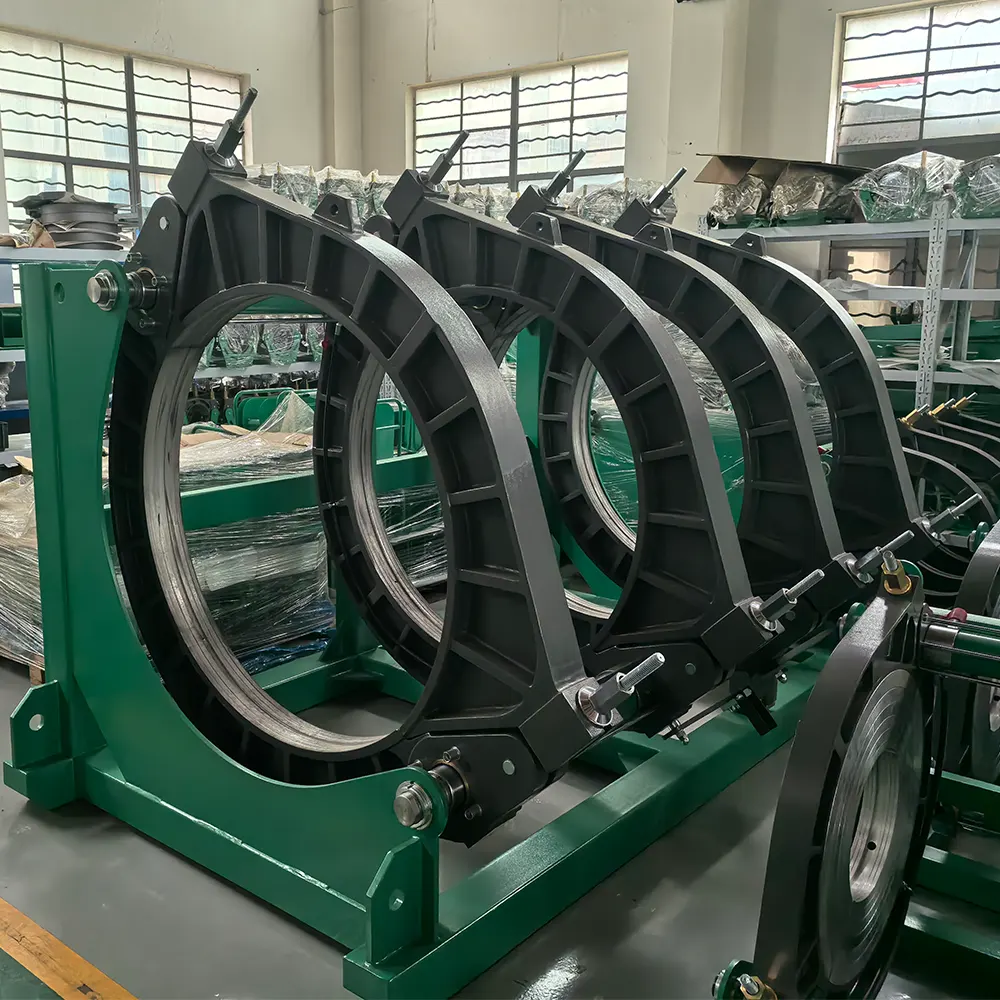
High-density polyethylene (HDPE) pipes have become the backbone of modern fluid and gas transport systems. From municipal water supply networks to demanding mining operations, the integrity of these piping systems relies heavily on the quality of the joints. At the heart of creating leak-proof, monolithic joints is the HDPE welder working principle, a precise thermal process known as butt fusion. Understanding this principle is essential for any contractor or engineer aiming for long-term infrastructure reliability.
Core Physics of the HDPE Welder Working Principle
The fundamental HDPE welder working principle is not simply gluing two pipes together; it is a molecular-level fusion process. Thermoplastic polymers like HDPE are composed of long molecular chains. When heated to a specific viscous state and brought into contact under controlled pressure, these chains intermingle across the joint interface. As the material cools, the chains re-solidify, forming a homogeneous bond that is often as strong as, or stronger than, the pipe itself. This process follows strict parameters defined by standards such as ISO 21307 butt fusion procedures and ASTM F2620 heat fusion, ensuring consistent joint integrity across global projects.
Step-by-Step Breakdown of the Fusion Cycle
A successful HDPE weld relies on a strict sequence of stages. Any deviation in these stages compromises the joint quality, making machine precision critical. Here is the detailed cycle:
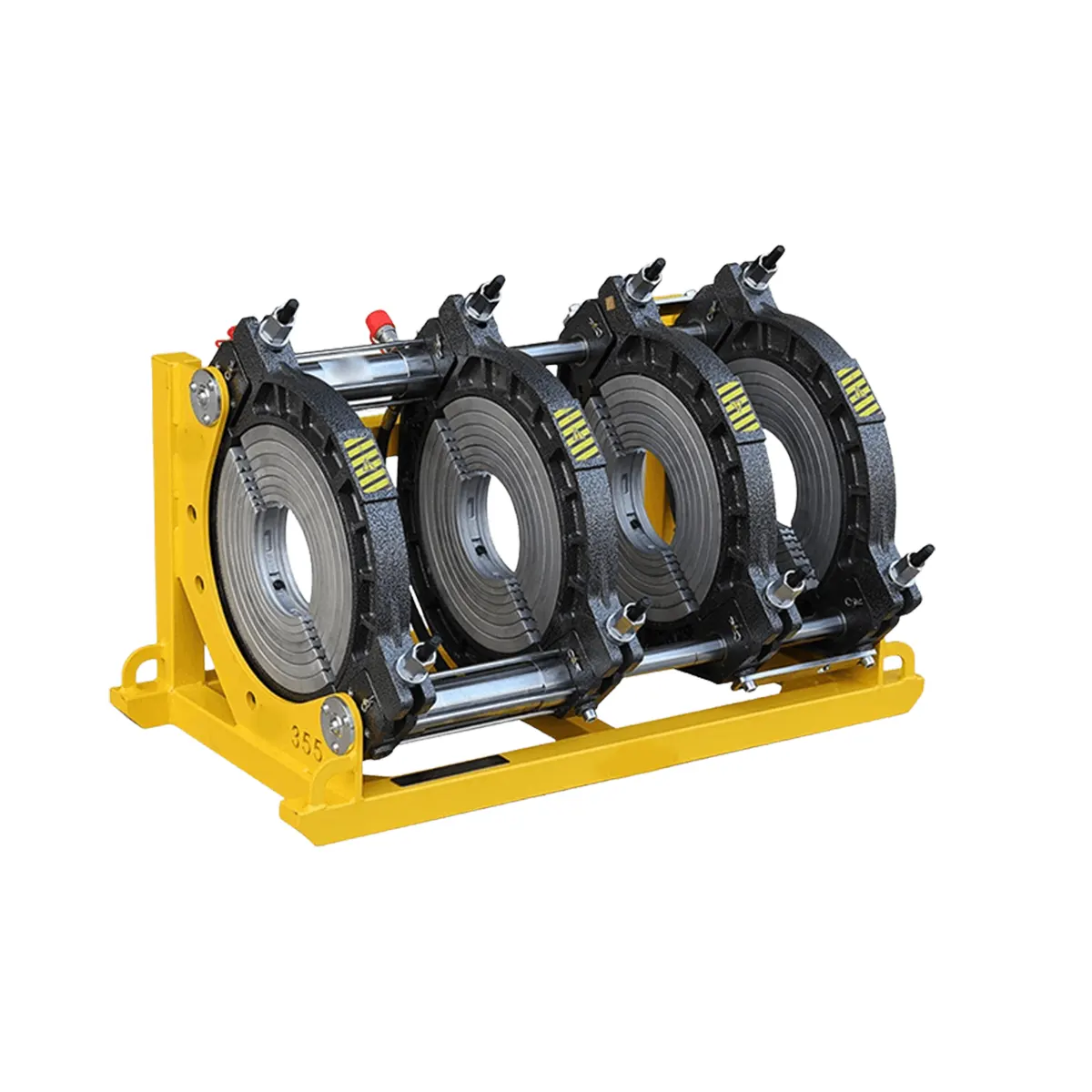
- Alignment and Clamping: The pipe ends are loaded into the butt fusion machine clamps. Proper alignment is crucial to prevent high-low mismatch between the pipe walls.
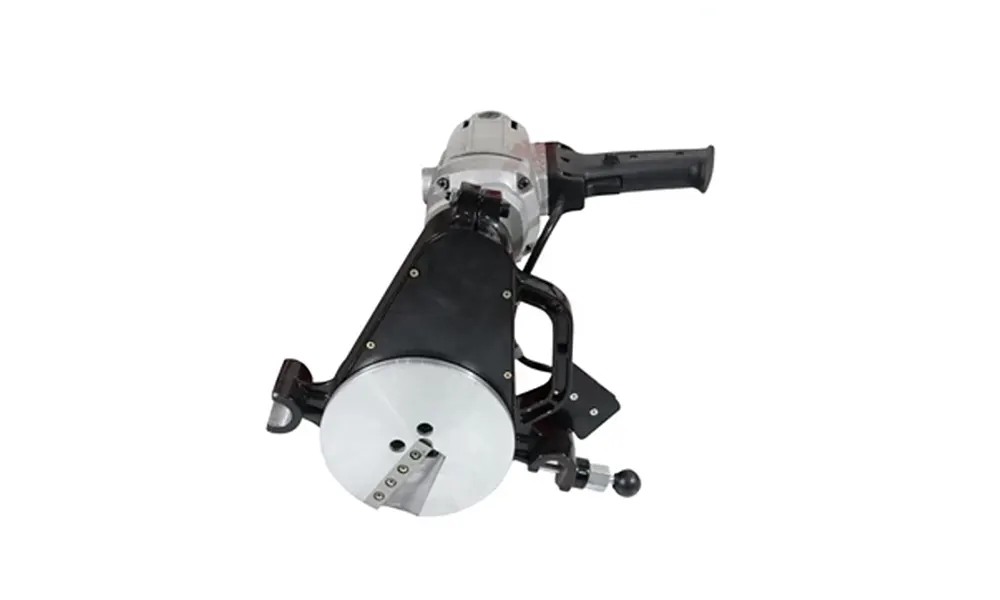
- Facing: A rotating planer block (trimmer) shaves the pipe ends until they are perfectly flat, parallel, and free of oxidation or contamination. This creates clean, square surfaces for heating.
- Heating Phase: A PTFE-coated heating plate, calibrated to a precise temperature (typically around 210°C to 230°C), is inserted between the pipe faces. The pipes are pressed against the plate to melt the material and form a bead.
- Heat Soak and Plate Removal: The pressure is released to allow heat to penetrate the pipe wall. Once the soak time is complete, the heater is swiftly removed to prevent the molten ends from cooling prematurely.
- Fusion and Cooling: The molten ends are immediately brought together at a specified pressure. This intermixes the polymer chains. The joint must then cool under this stable pressure to ensure solidification without voids.
Critical Parameters: Temperature, Pressure, and Time
The HDPE welder working principle is governed by three interdependent parameters. The interface pressure during heating must be just right to melt the pipe without pushing all the molten material out. The temperature must be carefully monitored to avoid thermal degradation. Time varies based on the pipe diameter and wall thickness. Advanced CNC automatic butt fusion welding machines utilize data logging systems to record these parameters in real-time, providing full traceability as required by the PPI butt fusion procedure guidelines.
| Phase | Primary Purpose | Key Control Factor |
|---|---|---|
| Facing | Remove surface oxidation | Continuous ribbon of material |
| Heating | Melt the polymer surface | Bead size inspection |
| Cooling | Molecular chain crystallization | Stable clamping pressure |
Manual vs. Hydraulic vs. CNC Automatic Welding
The HDPE welder working principle remains constant, but the execution varies by machine type. For small diameters up to 315mm, manual butt fusion welding machines are highly portable and rely on the operator’s skill to apply pressure via a lever mechanism, making them ideal for tight construction sites. For heavier wall thicknesses and diameters exceeding 400mm, hydraulic systems are a necessity. The hydraulic pressure unit removes manual effort from the equation, delivering consistent force that human arms simply cannot replicate.
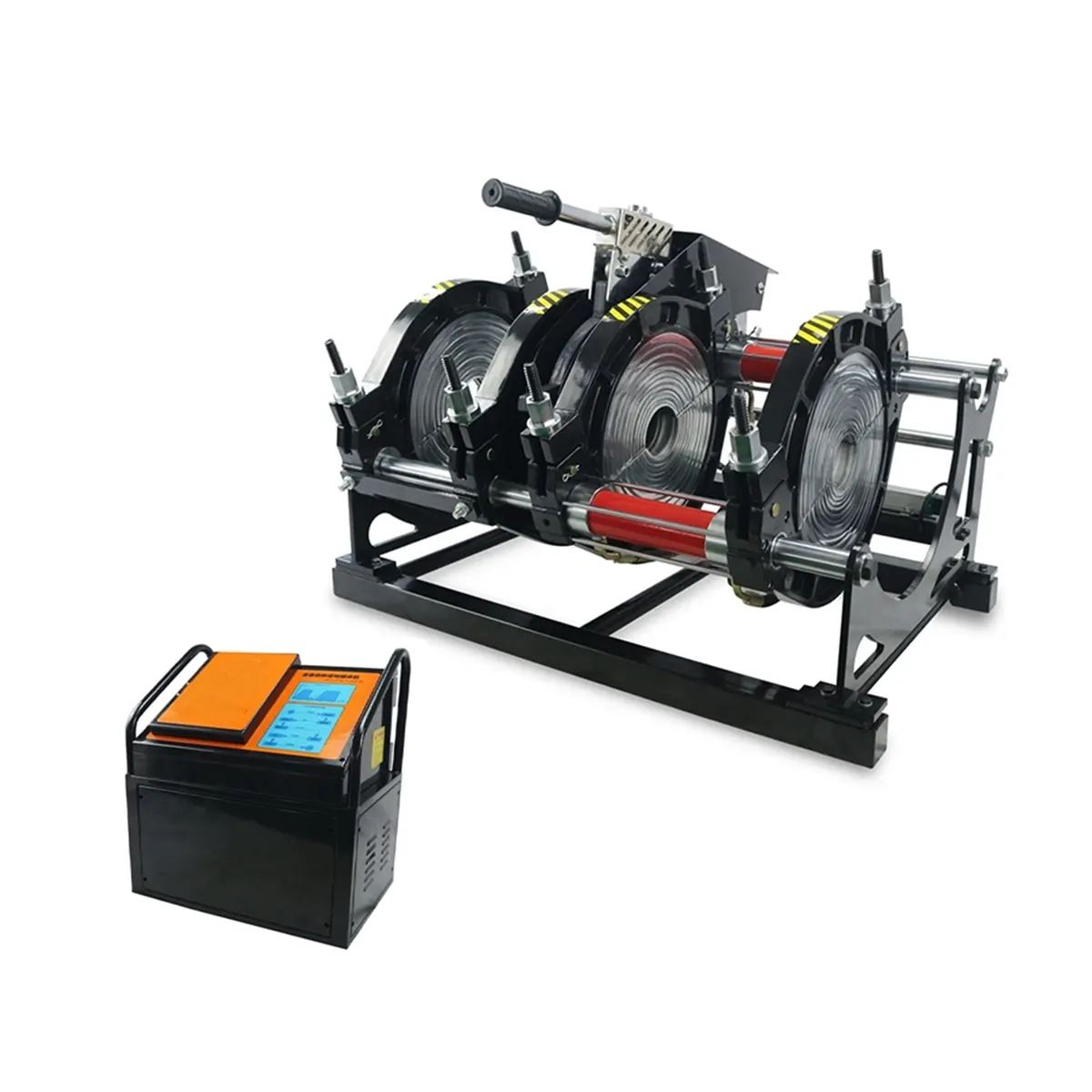
For critical gas and water infrastructure projects, the industry is rapidly shifting towards CNC automatic butt fusion welding machines. These machines remove operator guesswork by automating the full cycle. Once the pipe parameters are inputted, the machine precisely controls the heating plate engagement, hydraulic pressure, and cooling timing. This guarantees repeatability and compliance with rigorous traceability standards, ensuring every weld matches the digital record.
Understanding Electrofusion as an Alternative
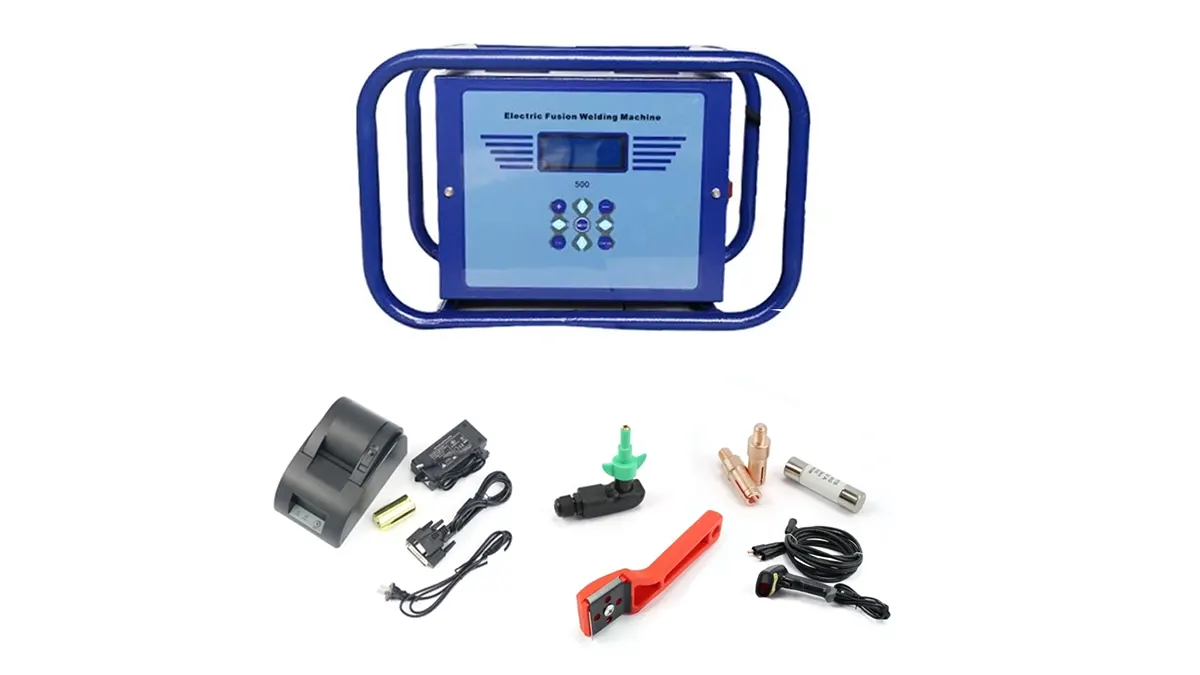
While butt fusion is the primary method for straight-line assembly, the HDPE welder working principle extends to special fittings through electrofusion. Instead of an external hot plate, an electrofusion machine passes an electric current through a resistive wire embedded inside the fitting. The generated heat melts the interface between the fitting and the pipe. This method is indispensable for tight repair clamps, tees, and areas where large butt fusion machines cannot physically access.
Common Weld Defects and Diagnostics
Deviations from the correct HDPE welder working principle leave telltale signs. A visual inspection can often catch errors before a pipe goes into service. Common indicators include:
- Incomplete Fusion: Often caused by insufficient heating time or a contaminated heating plate surface.
- High-Low Mismatch: A result of poor clamp alignment of the butt fusion welding machine frames prior to welding.
- Flat Beads: Indicates excessive pressure during the heating or fusion phase, pushing out too much molten polymer.
- Discoloration: An orange or brown tint suggests thermoplastic oxidation, usually from a heater temperature set too high.
Industry Standards and Operator Qualification
Simply owning a machine is not enough; mastering the HDPE welder working principle requires skill. International standards such as ISO 12176 and ASTM F3190 strictly dictate the qualifications of fusion operators. A trained operator must assess environmental conditions, verify pipe specifications, and perform destructive bend-back tests on sample joints to confirm the process. At JQ-Fusion, our machines are engineered to support welders in these rigorous quality assurance protocols, ensuring consistent outputs across all pipe diameters.
Choosing the Right Equipment for Your Project
Whether you need a compact manual machine for a residential water project or a CNC-controlled hydraulic rig for a 2000mm gas main, selecting the correct equipment is the foundation of a quality weld. By understanding the core thermal and mechanical physics behind the pipe joint, contractors can move beyond simply “sticking pipes together” and instead deliver fully fused, monolithic pipeline systems designed to last for a hundred years.