
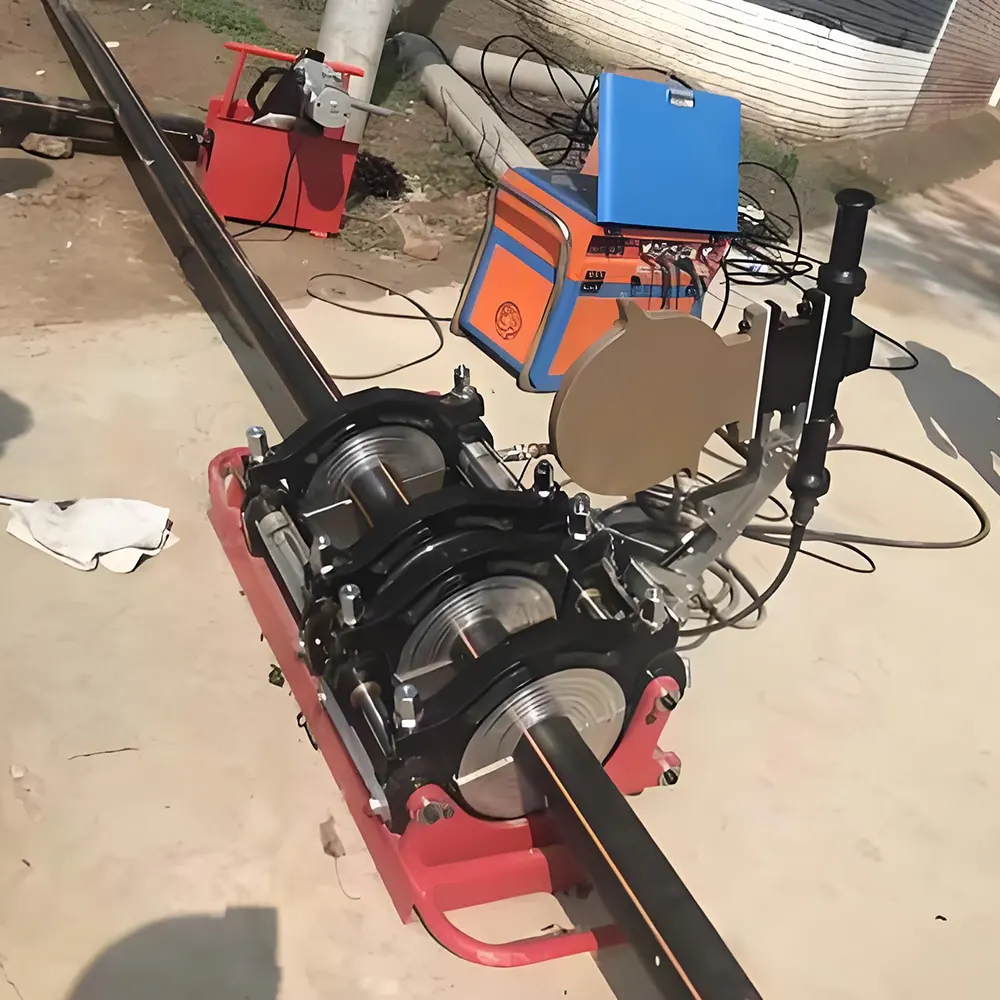
Proper butt fusion machine temperature settings are the foundation of every successful HDPE pipe welding project. If the heating plate is too cool, the pipe ends won’t melt sufficiently to form a homogeneous bond. If it’s too hot, the material can degrade, leading to weakened joints and potential long-term failure. Understanding the correct temperature range and the factors that influence it is essential for operators, project managers, and quality control teams involved in polyethylene pipeline installations.
Standard Temperature Range for HDPE Butt Fusion
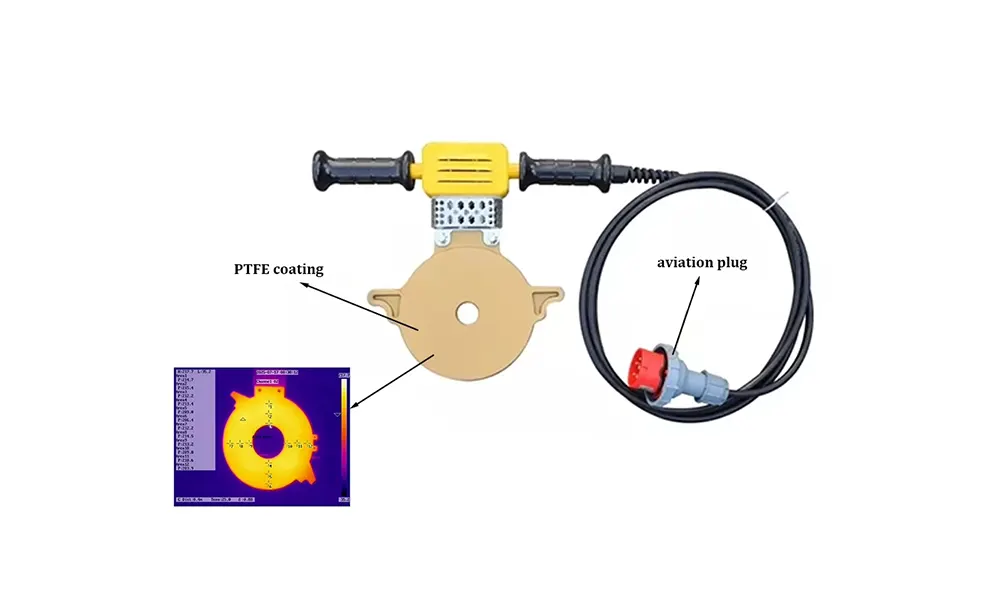
The industry-standard heating plate temperature for butt fusion machines used with HDPE pipes is typically between 200°C and 230°C (392°F to 446°F). Most manufacturers and international standards, including ISO 21307 butt fusion procedures, recommend a target temperature of 225°C (437°F) for PE100 and PE80 materials. This temperature ensures the polyethylene reaches a molten state suitable for molecular diffusion and the formation of a pressure-tight, permanent joint.
It is important to note that the temperature refers to the heating plate surface, not the ambient environment or the pipe itself. A calibrated digital thermometer or built-in thermocouple should always be used to verify the actual plate temperature before starting any welding cycle. Even minor deviations can compromise weld integrity.
Recommended Temperature Settings by Material Grade
Different polyethylene grades have slightly different melt flow characteristics. While 225°C is the universal benchmark, specific applications may require adjustments based on the pipe material, wall thickness, and environmental conditions. The table below summarizes the standard temperature recommendations for common HDPE pipe grades used in water, gas, and industrial applications.
| PE Material Grade | Recommended Plate Temperature | Typical Application |
|---|---|---|
| PE80 | 210°C – 225°C | Water distribution, low-pressure gas |
| PE100 | 220°C – 230°C | High-pressure water, gas mains, mining |
| PE100-RC (Raised Crack Resistance) | 220°C – 230°C | Trenchless installations, rough terrain |
| PE4710 (High-Performance PE) | 225°C – 235°C | Large-diameter water and industrial piping |
| Cross-linked PE (PEX) | Not suitable for butt fusion | Use mechanical or electrofusion fittings |
The values above align with the ASTM F2620 heat fusion standard, which is widely adopted across North America for gas and water utility projects. Always consult the pipe manufacturer’s specifications, as proprietary resin formulations may have slightly different thermal requirements.
Key Factors That Influence Temperature Settings
While the standard range is well-established, real-world conditions often demand careful judgment. Experienced welding technicians understand that butt fusion machine temperature settings should not be applied blindly. Several variables can shift the optimal heating parameters, and recognizing them is critical for consistent weld quality.
Ambient Temperature and Wind Conditions
Cold weather can rapidly draw heat from the heating plate and pipe ends. In sub-zero environments, some operators increase the plate temperature by 5°C to 10°C or extend the heating cycle slightly. Conversely, in extremely hot climates, the cooling rate slows, and standard temperatures usually remain sufficient. Wind shields are strongly recommended for outdoor welding, as wind chill can cause uneven cooling across the pipe face.
Pipe Wall Thickness
Thicker pipe walls absorb more heat and require longer soak times, but the plate temperature itself generally remains constant. The key variable for thick-wall pipes is the heating time, which must be calculated according to the pipe’s Standard Dimensional Ratio (SDR). Never compensate for thick walls by raising the temperature above the recommended range, as this risks surface degradation before the inner material reaches fusion temperature.
Heating Plate Condition
A worn, scratched, or contaminated heating plate surface affects heat transfer uniformity. Non-stick PTFE coatings must be intact and clean. Even a thin layer of degraded polymer residue can act as an insulator, creating cold spots. Regular cleaning with a non-abrasive cloth and periodic plate resurfacing are essential maintenance tasks that directly impact the accuracy of butt fusion machine temperature settings.
Pipe Diameter and Machine Type
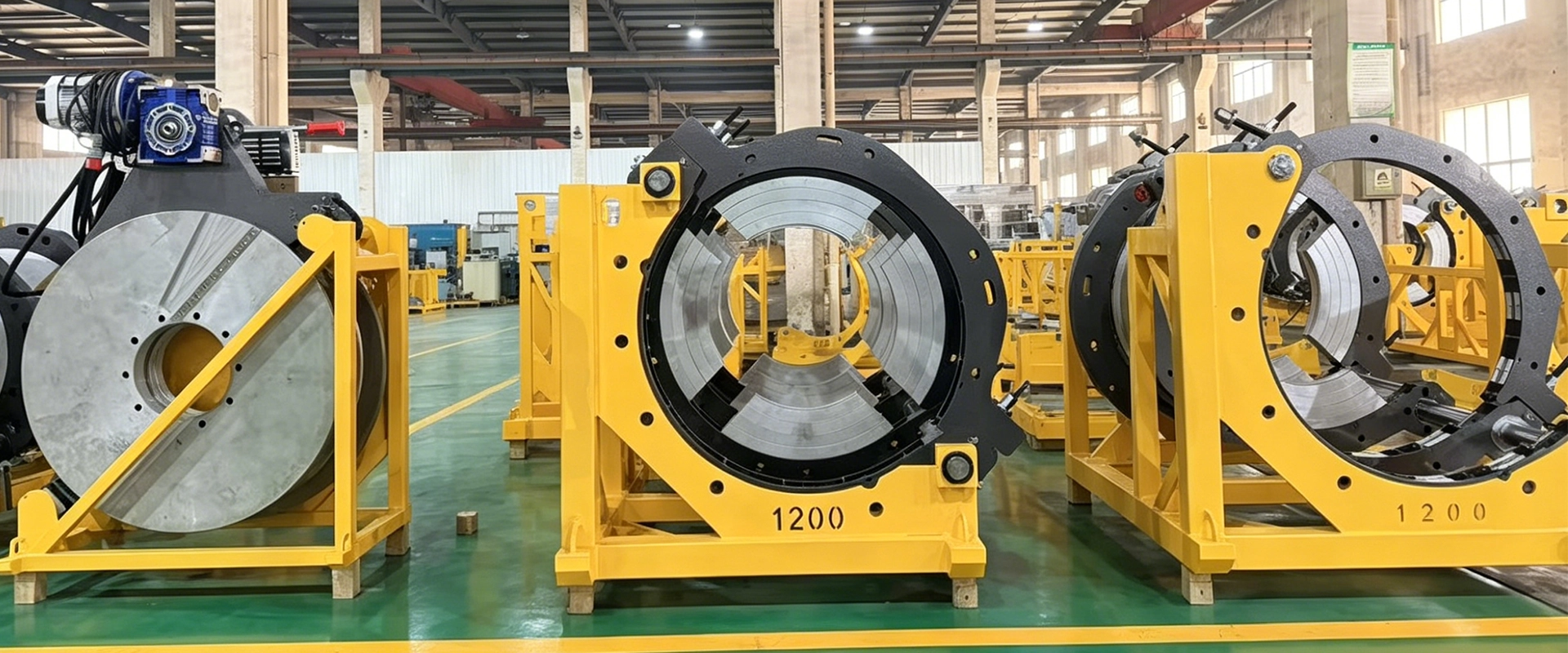
Large-diameter pipes (above 800mm) often benefit from heating plates with multiple independently controlled heating zones to maintain uniform temperature across the entire surface. Hydraulic butt fusion welding machines designed for heavy-wall, large-bore pipes typically incorporate advanced temperature monitoring systems that ensure consistent heat distribution, reducing the risk of cold joints in critical applications.
Temperature Verification and Calibration Best Practices
Even the most advanced HDPE welding equipment requires regular temperature verification. A built-in display reading is not sufficient for quality assurance. Follow these essential steps to maintain accurate temperature control on every welding joint:
- Use a calibrated surface thermocouple probe to check the actual plate temperature at multiple points before each shift. The variance across the plate surface should not exceed ±5°C.
- Allow adequate warm-up time. Heating plates typically require 20 to 30 minutes to reach a stable, uniform temperature. Rushing this process leads to inconsistent early welds.
- Check temperature between each weld cycle. The plate cools slightly when contacting cold pipe ends. Wait for the indicator to confirm the set point has been regained before starting the next joint.
- Document temperature readings as part of your quality control records. For gas and pressure-critical applications, this traceability is often a regulatory requirement under standards like PPI butt fusion procedure guidelines.
- Calibrate machine thermocouples annually or according to manufacturer recommendations. Sensor drift can lead to systematic errors that go unnoticed without regular verification.
Common Temperature-Related Welding Defects
Recognizing the visual signs of incorrect temperature settings helps operators quickly diagnose and correct problems. Below are the most frequently observed defects linked to improper heating plate temperatures.
| Defect | Likely Cause | Corrective Action |
|---|---|---|
| Cold joint / lack of fusion | Plate temperature too low or insufficient heating time | Verify plate reaches 225°C; increase soak time per pipe SDR |
| Excessive melt bead | Plate temperature too high or heating time too long | Reduce temperature to standard range; shorten heating phase |
| Discolored or burned material | Temperature significantly above 230°C; thermal degradation | Immediately recalibrate thermostat; replace degraded plate coating |
| Uneven bead formation | Non-uniform plate temperature or warped heating surface | Check plate flatness; verify multi-zone heating elements function correctly |
| Brittle joint failure | Oxidized surface layer not removed; combined with marginal temperature | Always face pipe ends immediately before heating; maintain 225°C |
Manual vs. Automatic Temperature Control Systems
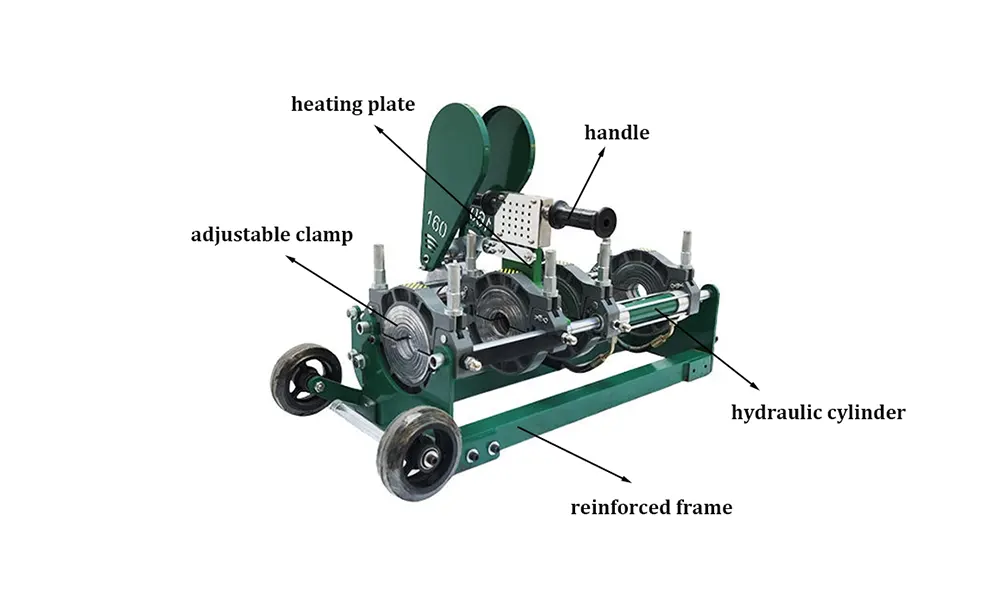
Butt fusion machines fall into two broad categories regarding temperature management. Manual machines rely on the operator to set and monitor the heating plate temperature using a dial or digital controller. While cost-effective, they demand greater operator vigilance and experience. CNC automatic machines, by contrast, incorporate closed-loop temperature control with real-time monitoring, data logging, and interlocks that prevent welding if the plate is outside the acceptable temperature window.
For critical infrastructure projects—such as gas distribution networks, high-pressure water mains, and industrial chemical lines—automatic machines with precise temperature regulation are increasingly specified. They eliminate much of the human error associated with butt fusion machine temperature settings and provide auditable records of every welding parameter, including plate temperature throughout the entire fusion cycle.
Heating Time vs. Temperature: Finding the Right Balance
A common misconception is that higher plate temperatures can compensate for shorter heating times. This practice is strongly discouraged and leads to poor weld quality. The heating phase must allow sufficient time for heat to penetrate through the pipe wall and create an even melt layer. The relationship between heating time, temperature, and pipe dimensions is well-established in international standards.
The correct approach is to maintain the plate at 225°C and calculate the heating time based on the pipe wall thickness. Typical heating times range from 30 seconds to several minutes depending on pipe diameter and SDR. Always refer to the machine manufacturer’s heating time tables or the relevant welding procedure specification for your project.
Why Choose Quality Equipment for Accurate Temperature Control
Not all butt fusion machines deliver the same level of temperature precision. Entry-level equipment may use basic thermostats with wide hysteresis bands, resulting in temperature swings that compromise joint consistency. Professional-grade machines incorporate PID temperature controllers, high-quality heating elements, and thick aluminum plates with superior heat retention and distribution.
JQ-Fusion is a professional manufacturer specializing in HDPE pipe welding machines, providing reliable butt fusion solutions for global infrastructure projects. The company’s range of manual, hydraulic, and CNC automatic machines is engineered with precision temperature control systems that meet the stringent requirements of ISO and ASTM standards. For projects where weld integrity is non-negotiable, investing in equipment with verified temperature accuracy is one of the most cost-effective decisions a contractor can make.
Field Checklist for Optimal Temperature Settings
Before starting any HDPE butt fusion welding operation, use this quick checklist to ensure temperature-related parameters are correctly configured:
- ✓ Heating plate set to 225°C and verified with a calibrated external probe
- ✓ Plate surface is clean, smooth, and free of polymer residue
- ✓ Warm-up time of at least 20 minutes has elapsed
- ✓ Temperature is stable (not fluctuating more than ±3°C)
- ✓ Wind shields are in place if welding outdoors
- ✓ Pipe ends have been freshly faced and are free of oxidation
- ✓ Heating time chart is available and matches pipe SDR and diameter
- ✓ Machine calibration certificate is within its validity period
Additional Resources
For further technical guidance on HDPE fusion practices, refer to what is HDPE butt fusion resources from the PE100+ Association, which provides comprehensive technical documentation on polyethylene pipe joining methods and equipment requirements.



