
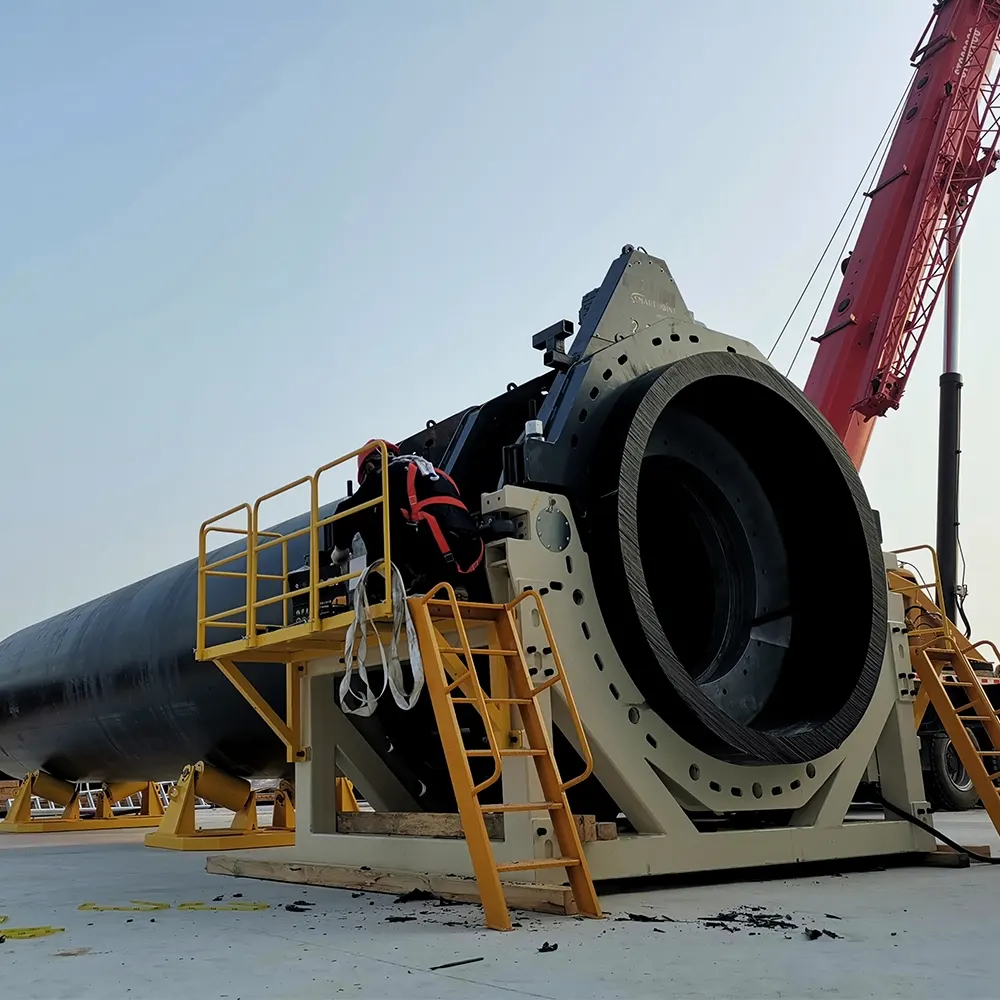
When infrastructure projects demand reliable pipeline systems, choosing the right plastic pipe welding machine for large diameter pipes becomes critical. Large-diameter HDPE pipes, typically ranging from 315 mm to over 2000 mm, require specialized equipment to ensure consistent, high-strength joints. Unlike small-diameter welding, these machines must handle immense pipe weights, maintain perfect alignment, and deliver precise fusion pressure. This guide explores the main types of large-diameter welding machines, their industrial uses, and the essential factors to consider before making a purchase.
Types of Large Diameter Plastic Pipe Welding Machines
The market offers several machine categories, each tailored to specific pipe ranges and project conditions. Understanding the differences helps contractors and engineers select equipment that matches their operational needs and budget.
Hydraulic Butt Fusion Welding Machines
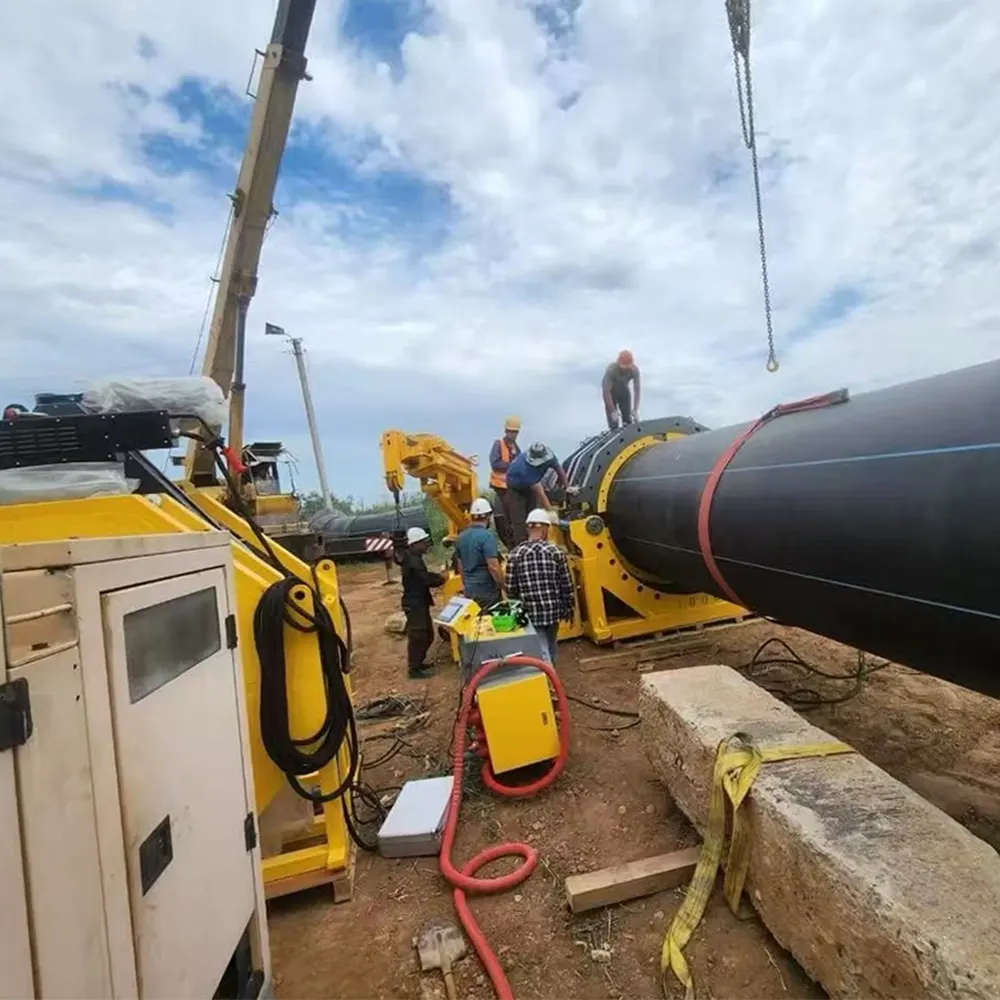
Hydraulic systems are the workhorses of large-diameter welding. These machines use a powerful hydraulic power pack to move the carriage and apply controlled fusion force, essential for pipes above 315 mm. A hydraulic butt fusion welding machine typically features a rigid steel frame, removable aluminum clamps, and an integrated control panel that monitors heating plate temperature and hydraulic pressure. For diameters from 630 mm up to 2250 mm, hydraulic models deliver the stability and repeatability required by international standards.
CNC Automatic Butt Fusion Welding Machines
For projects demanding full process control and data traceability, CNC automatic butt fusion machines are the top choice. These machines automate the entire welding cycle—including bead-up, heat soak, and cooling—reducing operator error. A touchscreen interface logs parameters such as temperature, time, and pressure, generating reports that comply with ISO 21307 butt fusion procedures. Automatic models are ideal for diameters up to 1200 mm and are widely used in gas distribution and nuclear-grade applications.
Manual Butt Fusion Welding Machines
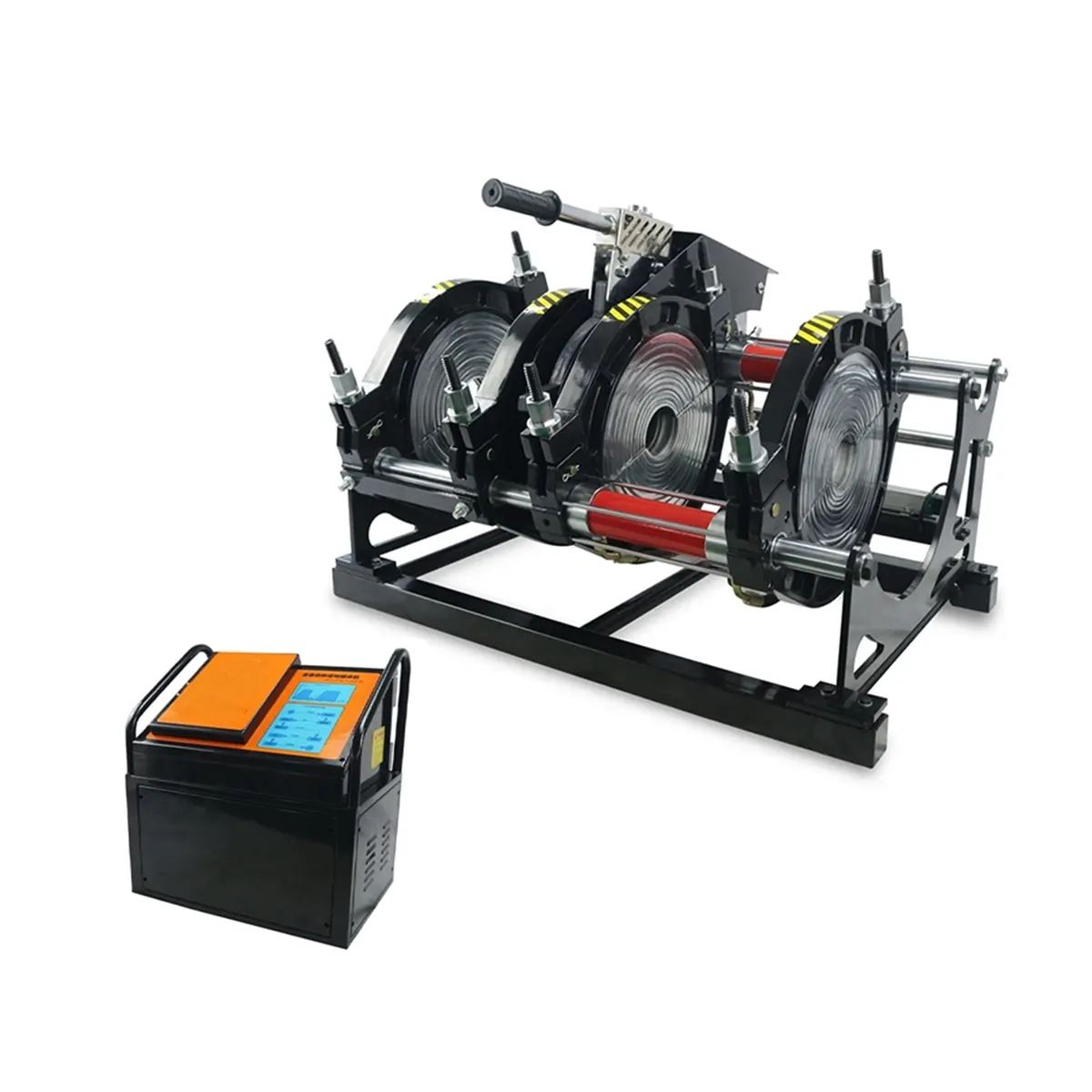
While manual machines are more common for smaller diameters, certain heavy-duty manual models extend into the lower large-diameter range, typically up to 400 mm or 500 mm. These machines rely on hand levers or mechanical clamps and are valued for their simplicity and portability. They suit rural water supply projects or repair scenarios where power sources are limited.
Electrofusion Systems for Large Diameter Pipes
Electrofusion provides an alternative joining method, especially for repairs or tight excavation sites. Using embedded heating coils within the fitting, an electrofusion machine precisely controls the welding energy. Large-diameter electrofusion fittings are available up to 1200 mm, though butt fusion remains more economical for long pipeline runs.
Key Applications and Industrial Uses
Large-diameter plastic pipe welding machines serve critical roles across multiple sectors. Their ability to create monolithic, leak-free systems makes them indispensable for:
- Municipal Water Supply: Transmitting potable water through mains up to 2000 mm in diameter.
- Gas Distribution Networks: Joining PE pipes for natural gas, requiring strict adherence to ASTM F2620 heat fusion standards.
- Mining and Slurry Transport: Handling abrasive materials with high-density polyethylene’s wear resistance.
- Industrial Effluent and Chemical Lines: Conveying corrosive fluids where welded joints prevent leakage.
- Marine Outfall and Dredging: Floating pipelines assembled onshore and towed into position.
Buying Guide: How to Choose the Right Machine
Investing in a plastic pipe welding machine for large diameter pipes requires evaluating technical specifications, project demands, and long-term reliability. The following criteria will guide your decision.
Pipe Diameter and SDR Range
Always match the machine’s clamping range to your pipe dimensions. A model rated for 800 mm maximum diameter cannot safely weld a 1000 mm pipe. Consider both the outer diameter and the Standard Dimension Ratio (SDR), as thicker walls demand higher fusion pressure and longer heat soak times. Check the product catalog for detailed capacity charts.
Clamp Design and Frame Rigidity
Large-diameter fusion requires a robust frame to prevent misalignment during the weld cycle. Aluminum clamps reduce overall weight while maintaining clamping force, whereas steel clamps offer extreme durability. Removable clamp inserts speed up pipe loading on multi-diameter projects.
Heating Plate Performance
The heating plate must distribute uniform temperature across its entire surface. Non-stick PTFE coating prevents molten PE from adhering, and built-in digital thermometers confirm surface temperature. For pipes above 1000 mm, dual-zone heating systems ensure consistent heat across the large plate area.
Operator Safety and Ease of Use
Look for safety features such as emergency stop buttons, thermal overload protection, and insulated handles. Machines with ergonomic control placement reduce operator fatigue during long welding cycles, directly impacting joint quality.
| Feature | Hydraulic | CNC Automatic | Manual |
|---|---|---|---|
| Typical Diameter Range | 315 mm – 2250 mm | 160 mm – 1200 mm | Up to 500 mm |
| Automation Level | Semi-automatic control | Fully automatic cycle | Operator dependent |
| Data Logging | Optional | Standard | None |
| Best Suited For | Heavy civil works, water mains | Gas networks, critical infrastructure | Rural areas, light commercial use |
Supplier Reputation and After-Sales Support
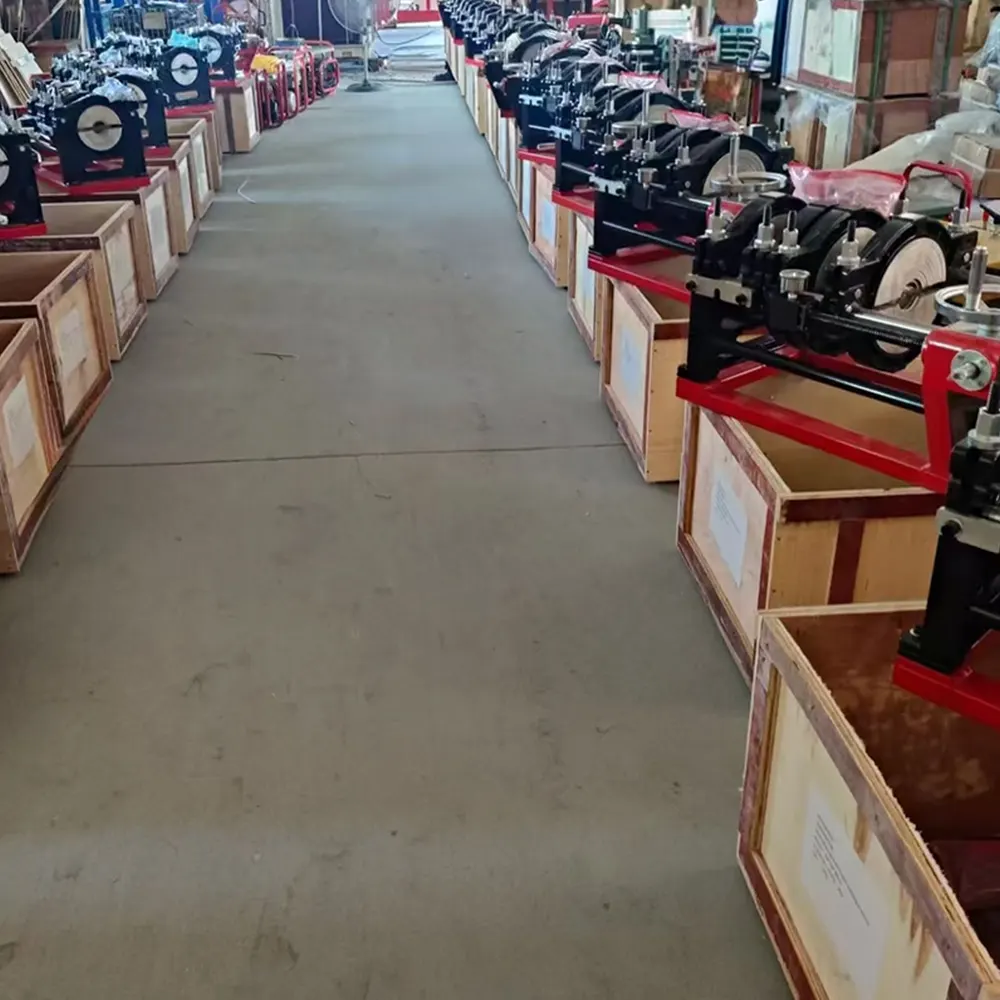
Reliable manufacturers offer comprehensive support, from operator training to spare parts availability. JQ-Fusion, a professional manufacturer in Zhengzhou, China, provides a full lineup of butt fusion welding machines with customizable options, strict quality assurance, and global shipping. Evaluating the supplier’s certification, inventory depth, and client feedback helps secure a trouble-free purchase.
Selecting the correct plastic pipe welding machine for large diameter pipes directly influences project timelines, budget, and pipeline integrity. By aligning the machine type with your pipe material, diameter, and operational environment—and partnering with a responsive supplier—you ensure every weld meets the highest performance and safety standards.



