
Finland’s infrastructure projects demand robust plastic pipe welding solutions that perform reliably in cold climates and remote sites. For contractors, municipalities, and energy companies working with HDPE and other thermoplastic pipes, JQ-Fusion (https://jq-fusionwelding.com/) offers a range of butt fusion and electrofusion machines designed to meet heavy-duty Finnish applications.
Why premium plastic pipe welding equipment matters in Finland
Finnish projects often combine long distances, seasonal extremes and strict safety requirements. Choosing the right welding equipment reduces rework, prevents leaks, and improves lifecycle performance of water, district heating, gas and industrial piping systems. Look for machines that deliver:
- Cold-start reliability — hydraulics and heaters that perform in low temperatures.
- Portability for remote pipeline sections and trench works common in rural Finland.
- Repeatable, documented welds through CNC control or digital welding logs for quality assurance.
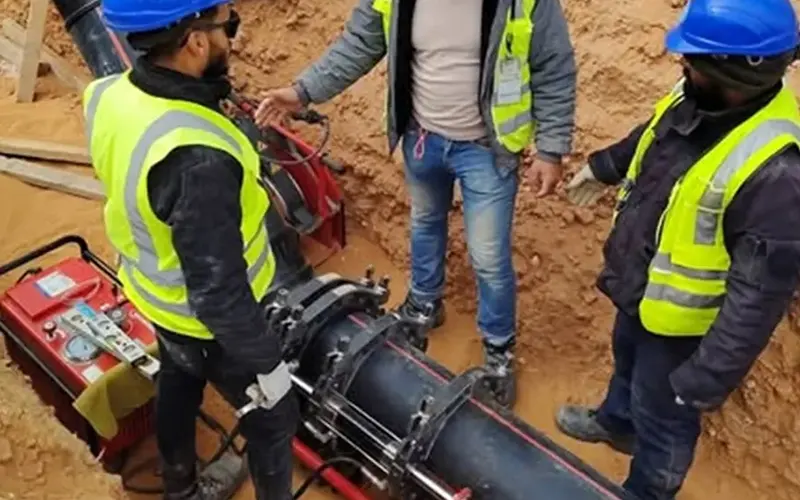
Core technologies: Butt fusion, electrofusion and automated systems
Modern installations use three main approaches:
Butt fusion
Best for joining straight lengths of HDPE and large-diameter pipelines. Hydraulic and CNC butt fusion systems provide strong, homogeneous joints ideal for high-pressure water and gas networks.
Electrofusion
Electrofusion fittings are common for repairs, branch connections and complex assemblies. They are favored for confined urban works and precise service taps used by Finnish utilities.
CNC automatic welding
Automated machines reduce operator variability and create traceable weld reports, useful for contractors who must meet tight QA schedules on municipal and industrial contracts.
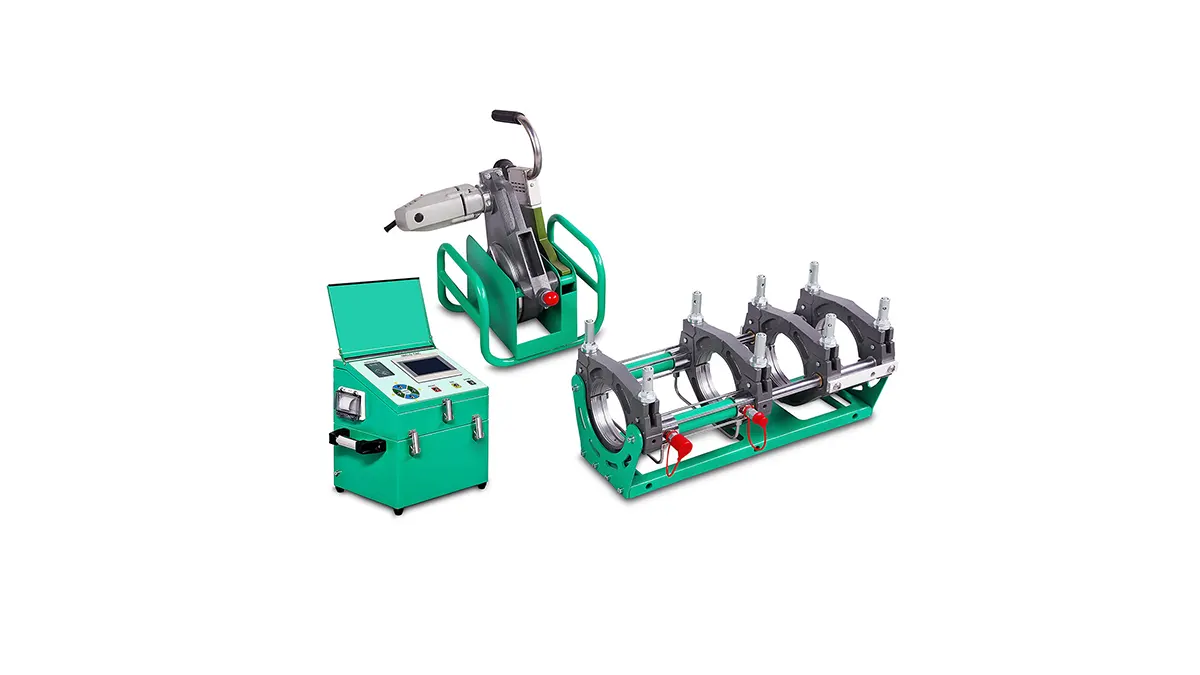
Common Finnish applications
- Municipal water and wastewater networks — corrosion-resistant HDPE solutions for long-term performance.
- District heating and cooling — thermoplastic pipes for insulated carrier systems and plant connections.
- Gas distribution and industrial pipelines — reliable butt fusion for safety-critical joints.
- Mining and remote infrastructure — transportable machines for off-grid operations in northern regions.
Quick selection guide — match machine type to project needs
| Machine Type | Typical Pipe Range | Automation | Best For |
|---|---|---|---|
| Manual Butt Fusion | 20–630 mm | Low | Small crews, tight budgets |
| Hydraulic Butt Fusion | 63–1600 mm | Medium | Large diameter mains, industrial lines |
| CNC Automatic Butt Fusion | 160–2250+ mm | High | High-volume pipeline contractors, QA-critical work |
| Electrofusion Units | 20–630 mm (fittings) | Varies | Repairs, branch connections, urban works |
Maintenance & best practices for Finnish conditions
To maximize uptime in northern climates:
- Keep heating plates and hydraulic systems clean and calibrated; cold weather increases thermal losses.
- Store electronics and batteries at stable temperatures when not in use.
- Use certified weld procedures and maintain welding logs for municipal acceptance.
- Train crews on safe trench and pipeline handling in winter conditions to prevent brittle failures.
Certifications and compliance
For Finnish procurement, prioritize equipment that adheres to recognized international quality systems (CE marking, ISO manufacturing standards) and that supports documented welding procedures. Contractors should also verify local utility requirements and testing protocols.
Final note
Selecting the right HDPE welding equipment improves project reliability, reduces long-term maintenance and supports Finland’s high standards for public infrastructure. Evaluate machine range, automation level and winter-readiness when planning tenders or fleet upgrades.



