
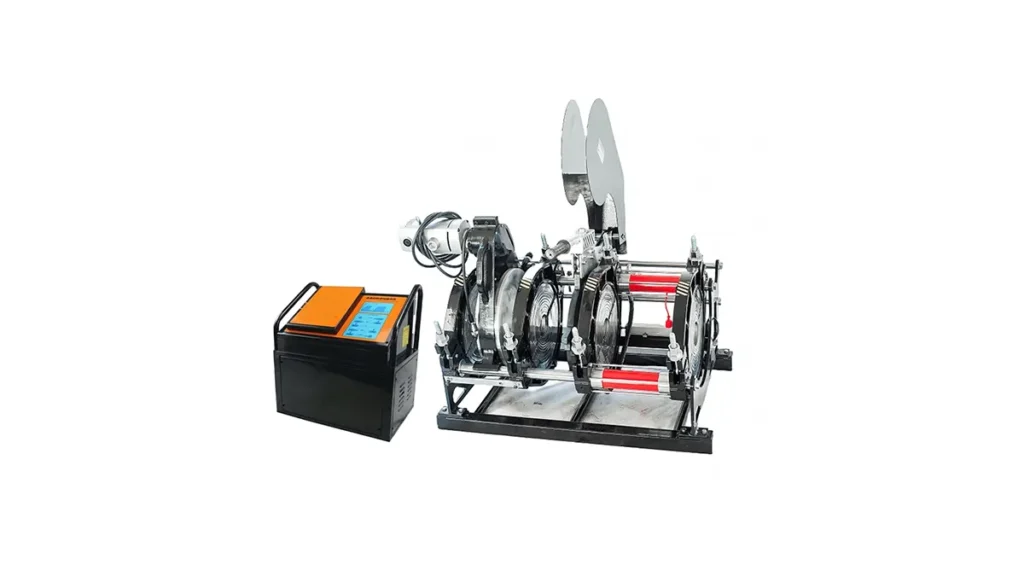
Looking for the best automatic pipe welding machine in New Zealand? This guide covers top automatic butt fusion and HDPE welding machines, key features to consider for Kiwi projects, and a practical buying checklist to help contractors, councils, and contractors in rural and urban New Zealand choose the right equipment.
Why New Zealand contractors choose automatic pipe welding machines
Automatic butt fusion machines deliver consistent, high-quality joints for HDPE and PE pipes used in water, sewer, and gas infrastructure. In New Zealand, where seismic resilience, coastal corrosion resistance, and long pipeline runs matter, automated control of heating, pressure and timing means fewer reworks and reliable field performance. Operators appreciate reduced skill dependency, faster cycle times, and repeatable weld records for compliance with local standards such as AS/NZS 4130.
Top automatic butt fusion models suited for New Zealand projects
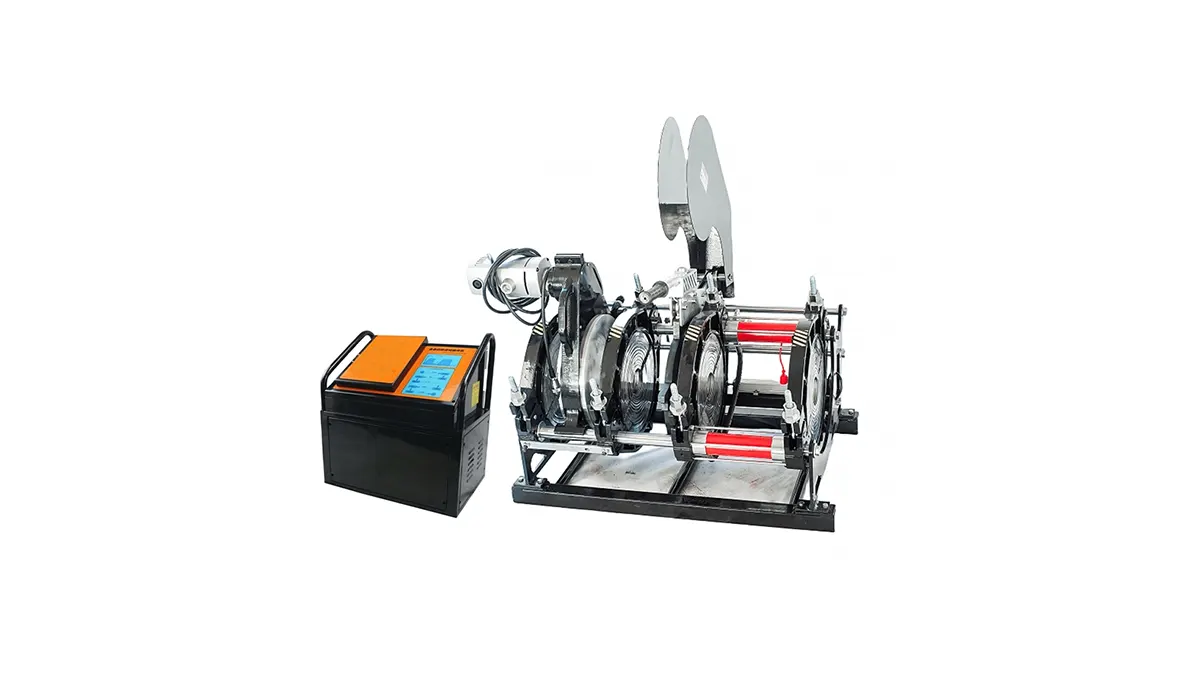
Below is a quick comparison of common automatic models to consider for medium to large HDPE pipelines typically used in NZ municipal and rural applications. Choose based on pipe diameter range, site mobility and data logging needs.
| Model | Pipe Range (mm) | Key Features |
|---|---|---|
| JQA250 | 20–250 | Compact, portable, touchscreen control, basic weld logging |
| JQA315 / JQA355 | 63–355 | Full automation, hydraulic clamping, advanced data export for QA |
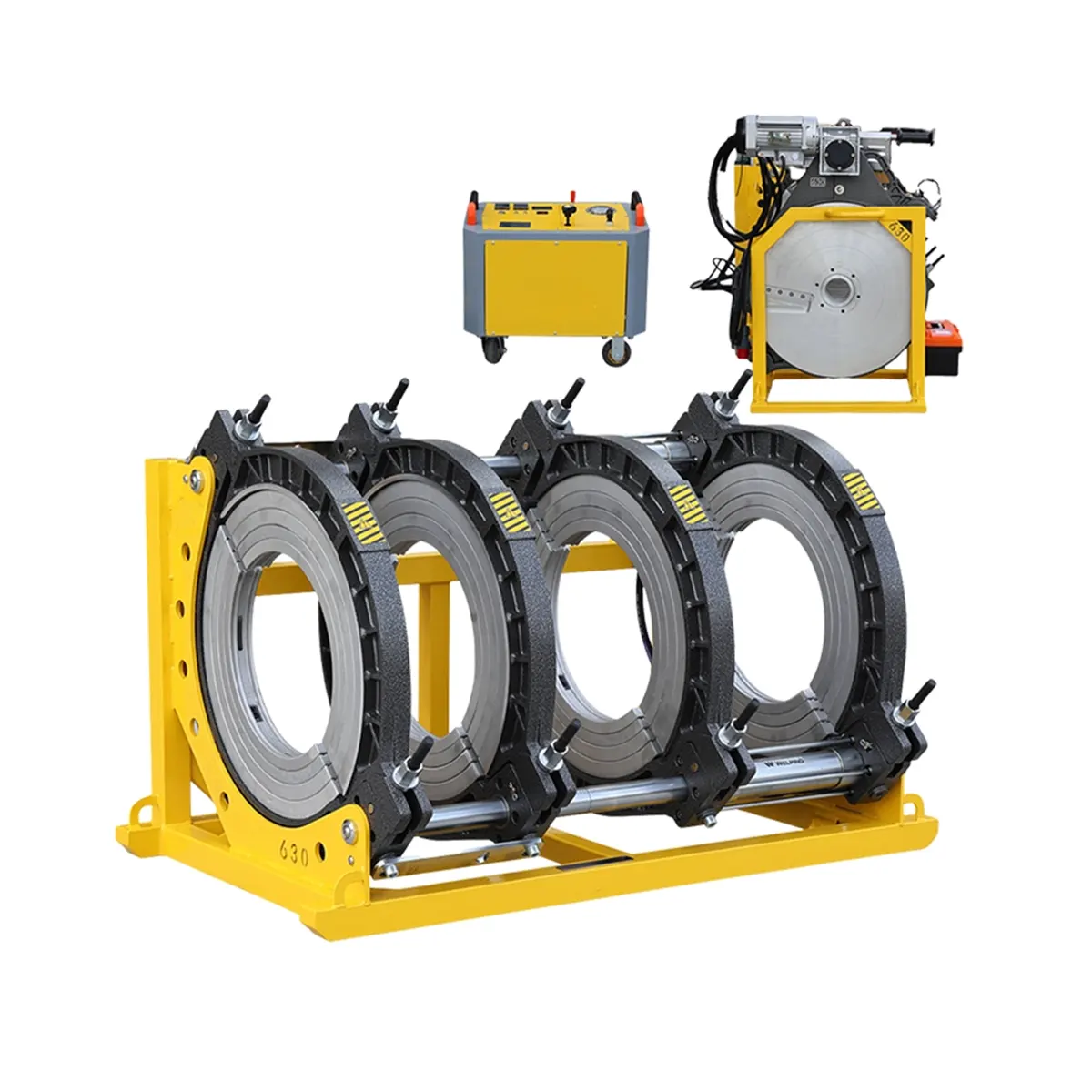
| JQA630 | 250–630 | Large-diameter capabilities, robust frame, remote monitoring options |
Key features to prioritize for New Zealand conditions
– Automation level: Fully automatic sequences reduce human error on long runs and tight NZ project timelines. Automated pressure and time control are essential for consistent joints.
– Data logging and export: Choose machines with weld history export (CSV/USB/Bluetooth) to meet council compliance and third-party inspection needs.
– Portability and setup: For rural or remote NZ sites, lightweight frames and quick-clamp systems save travel time. Consider trailer-mount options for long pipeline projects.
Buying guide — practical checklist before you buy
– Confirm pipe types and diameters you weld most often (PE80/PE100). Match machine range to avoid overpaying for unused capacity.
– Verify standards compliance (AS/NZS 4130 for pipes, relevant welding procedure qualifications). Ask for sample weld certificates.
– After-sales support: Ensure spare parts, trained technicians, and shipping to New Zealand are available. Consider warranty length and local service agreements.
Cost expectations & ROI for New Zealand projects
Initial machine cost varies by automation and diameter range. Consider lifecycle ROI: faster weld cycles, lower rejection rates, and better traceability often justify higher upfront investment on council or contractor contracts.
| Category | Typical Price Range (NZD) |
|---|---|
| Portable automatic (up to 250mm) | 20,000 – 45,000 |
| Medium automatic (250–400mm) | 45,000 – 90,000 |
| Large diameter systems (400mm+) | 90,000+ |
How to order and local considerations in New Zealand
When ordering from international manufacturers, confirm freight terms, import duties, and delivery timelines to NZ ports. Ask about training packages for operators and remote technical support to reduce downtime on site.
For a proven range of HDPE butt fusion and automatic machines equipped for global infrastructure projects, see JQ-Fusion: https://jq-fusionwelding.com/.
Final tips for New Zealand buyers
Select a machine that balances mobility, logging capability and diameter range. Prioritize certified weld procedures and accessible local support to protect your project schedule and warranty. Investing in automation often pays off on multi-kilometre water and gas mains projects common across New Zealand.



