
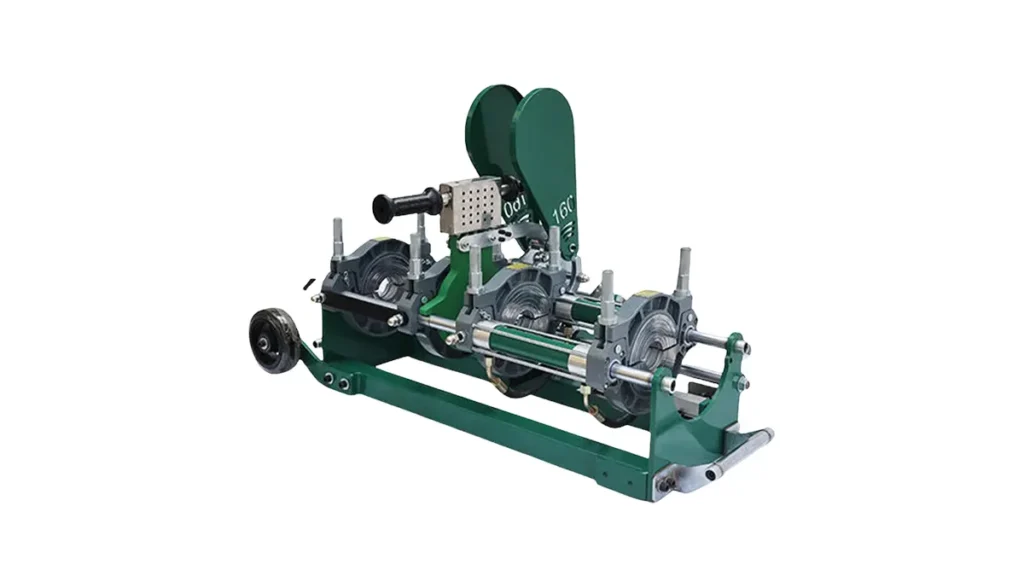
Ghana’s expanding infrastructure — from urban water networks in Accra and Kumasi to rural irrigation and mining operations in the Ashanti and Western regions — demands durable, efficient plastic pipe welding solutions. Reliable butt fusion and electrofusion equipment ensure leak-free HDPE pipelines that withstand tropical heat, seasonal rains, and coastal corrosion. This guide explains the welding equipment options available for Ghanaian projects, how to choose the right machines, and what features deliver long-term performance.
Why reliable pipe welding matters in Ghana
HDPE pipes are increasingly preferred across Ghana for water distribution, gas transmission, and mining tailings lines because of their corrosion resistance and flexibility. However, the welded joints determine system integrity. Poor fusion leads to failures, service interruptions, and costly repairs. Choosing equipment designed for local conditions — high ambient temperatures, variable power, and rugged job sites — reduces rework and extends pipeline service life.
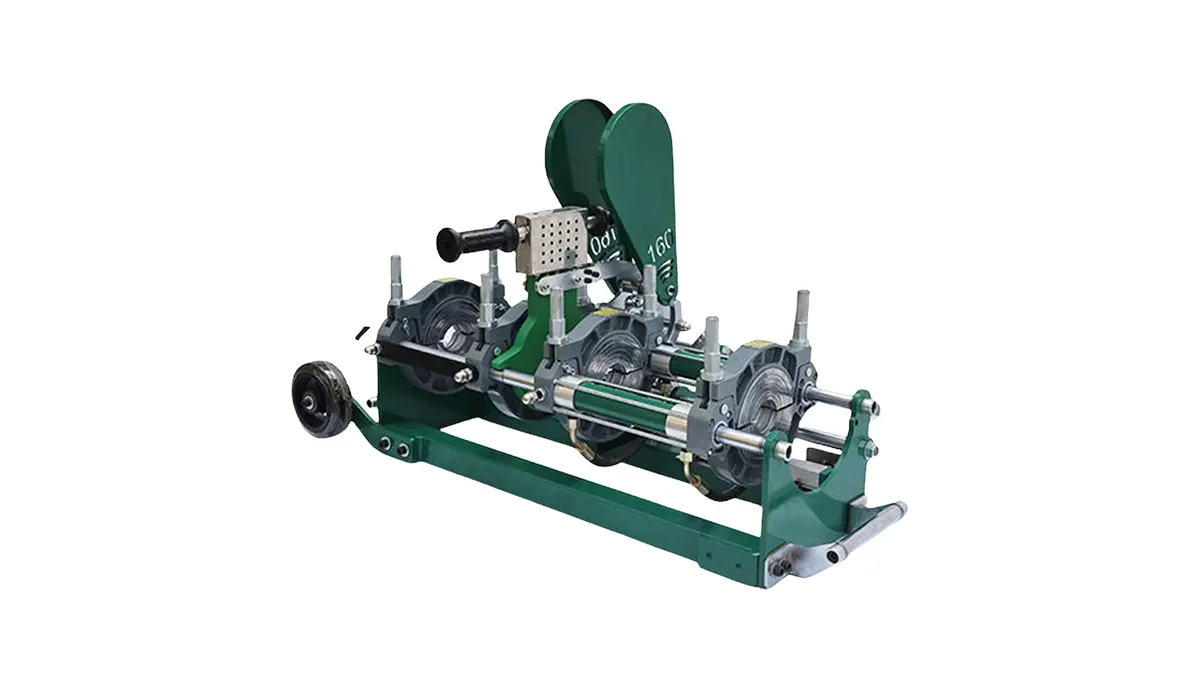
Common welding machine types for Ghanaian projects
Manual butt fusion machines are compact and affordable for small-diameter repairs and village water schemes. They require skilled operators but are easy to transport to remote sites.
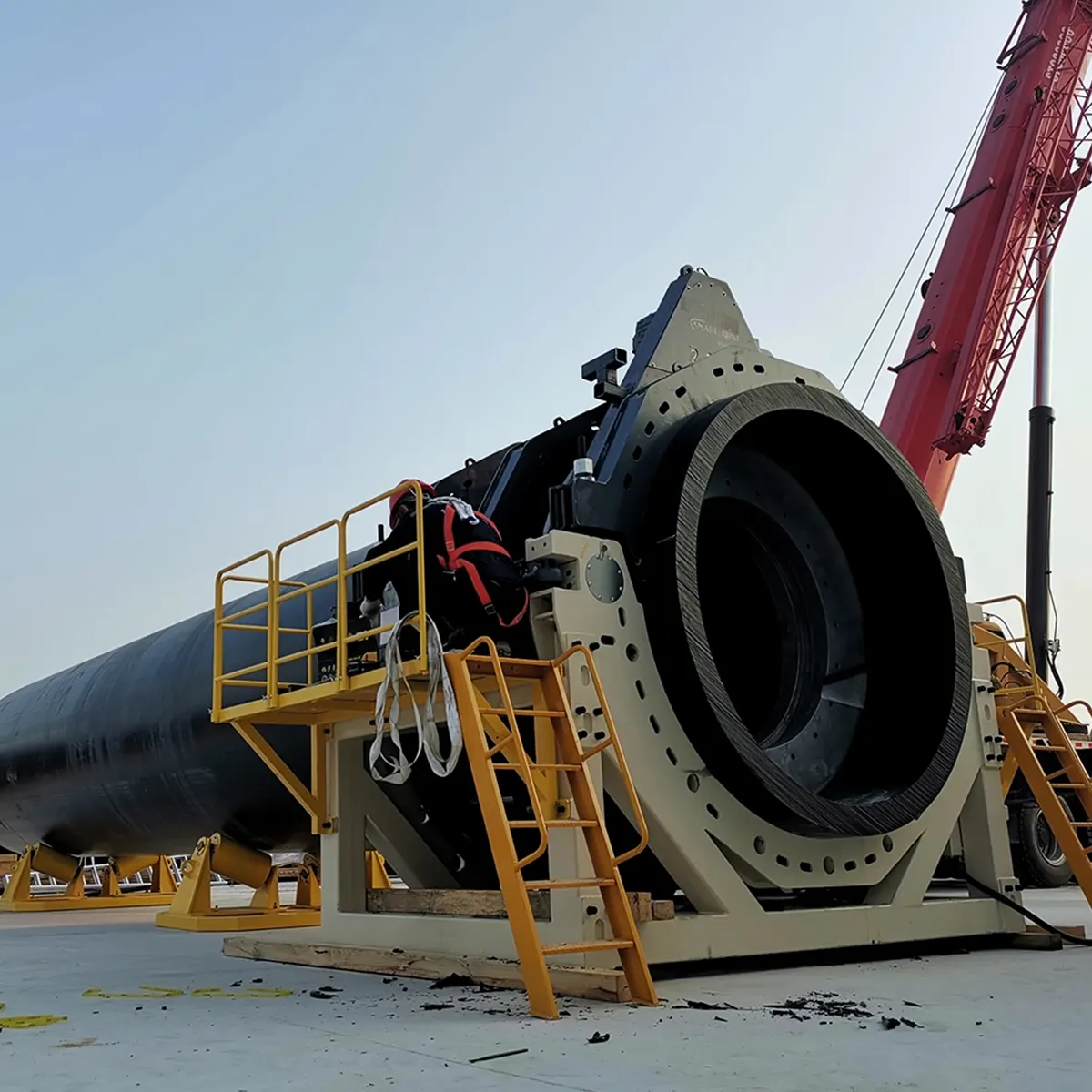
Hydraulic butt fusion machines suit medium to large diameter pipelines used in municipal and industrial projects — offering higher clamping force and consistent heating pressure.
Automatic/CNC butt fusion machines provide precise, repeatable results for long transmission mains and contractor fleets working on major infrastructure programs.
Electrofusion machines are ideal for fittings and connections in constrained spaces where butt fusion is impractical.
At-a-glance model comparison
| Model | Pipe Range (mm) | Best for | Key Strength |
|---|---|---|---|
| Manual JQSY-2M | 20–160 | Rural water networks | Portable, low-cost |
| Hydraulic JQH-315 | 63–315 | Municipal distribution | High clamp force |
| Automatic JQA-630 | 160–630 | Transmission mains | Precision, data logging |
Key features to prioritize for Ghanaian conditions
Power flexibility: machines that tolerate generator supply or fluctuating voltage are essential on many sites outside city grids. Robust clamps and frames resist dusty, humid environments. For coastal projects, select components with corrosion-resistant finishes.
Selecting the right specification
Consider pipe diameters commonly used in your projects (drinking water mains often 90–315mm; distribution branches 20–110mm), expected daily weld count, and the mobility required to reach remote districts. For government or donor-funded programs, traceability and weld-data logging on automatic machines help meet compliance and warranty requirements.
Installation, training and local support
Investing in operator training and preventive maintenance reduces downtime. Look for suppliers that offer spare parts kits and on-site commissioning. Local distributors and trained technicians speed response times for repairs and calibration.
Benefits for contractors, utilities and communities
Using quality HDPE welding machines improves joint integrity, reduces leak-related water losses, and minimizes environmental impact from pipeline failures. Contractors deliver faster project completion with fewer callbacks, while utilities gain longer pipeline service life and simplified maintenance schedules.
For reliable butt fusion and electrofusion solutions tailored to Ghanaian projects, explore options from a professional manufacturer with experience in HDPE welding machines. Visit JQ-Fusion to review model specifications, inventory availability, and support services.



