
The PE heat fusion welding machine is the industry-standard solution for joining polyethylene (PE/HDPE/PP) pipes with permanent, leak-proof results. This guide covers the core features, common uses, and tangible benefits of heat (butt) fusion welding machines — so project managers, pipeline contractors, and procurement teams can make informed decisions quickly.
How PE Heat Fusion Welding Works
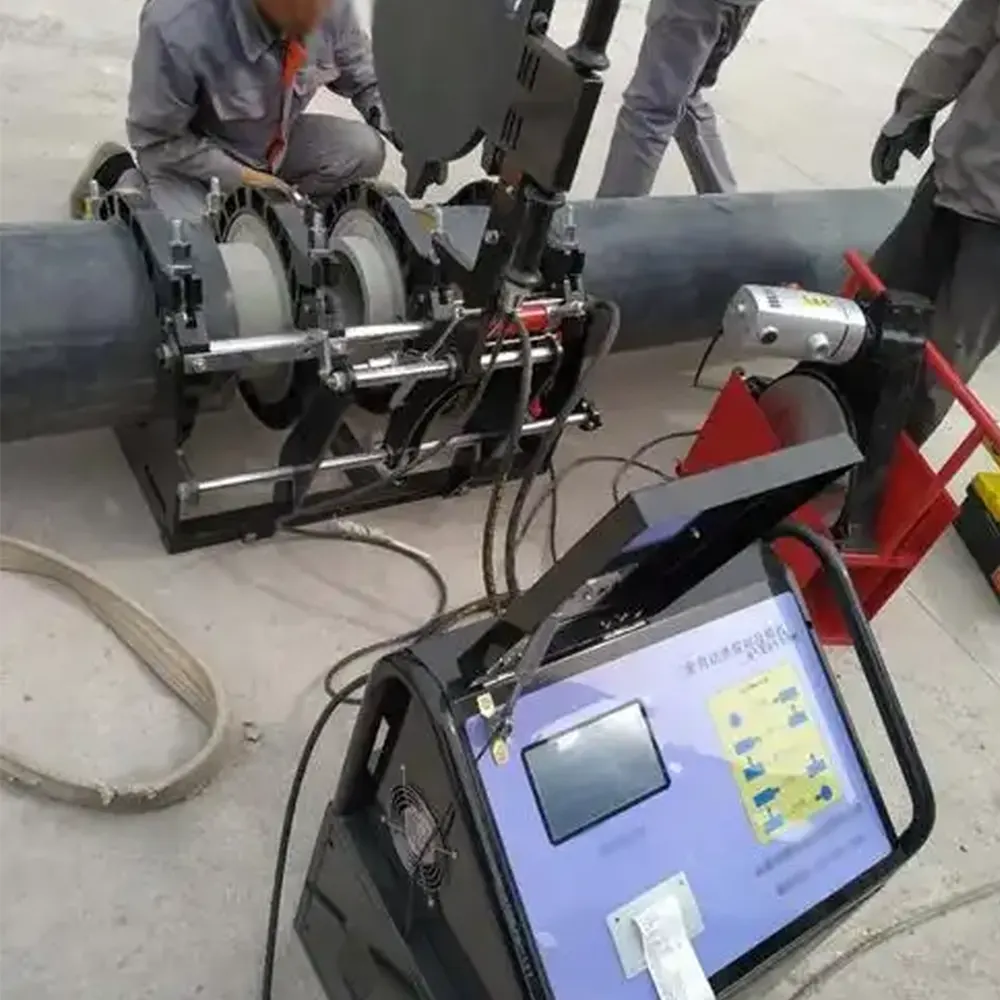
Heat fusion welding, often called butt fusion, joins thermoplastic pipe ends by heating both surfaces and applying controlled pressure until the material cools into a single homogenous joint. The process eliminates mechanical fittings and creates a continuous pipeline with high structural integrity.
Basic Steps
1. Alignment: Clamping and aligning pipe ends in a welding frame. 2. Facing: Trimming the pipe ends to ensure flat, square faces. 3. Heating: Bringing both faces into contact with a heated plate to soften the material. 4. Fusion: Bringing the softened ends together with controlled pressure. 5. Cooling: Holding until the joint solidifies and achieves full strength.
Key Features to Look For
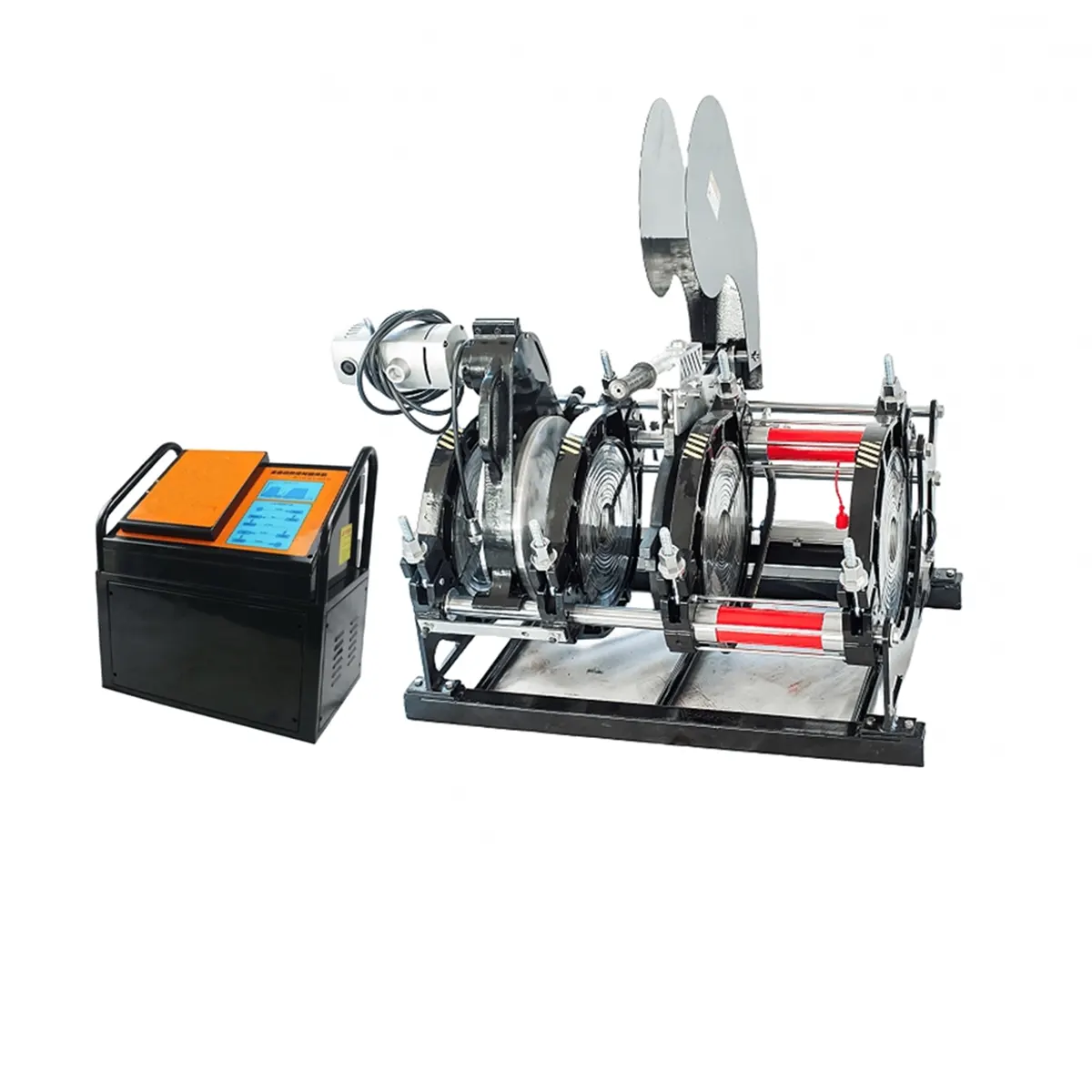
Modern PE heat fusion welders come in manual, hydraulic, and CNC/automatic variants. Look for the following capabilities when selecting equipment:
- Precise pressure control for consistent weld strength
- High-quality facing units with replaceable blades
- Durable heating plates with even temperature distribution
- Easy-to-read control systems and welding data logging (for automatic models)
- Portable frames or trailer-mounted options for fieldwork
Types of PE Heat Fusion Welding Machines
The choice between manual, hydraulic, and automatic machines depends on diameter range, production speed, and budget:
| Type | Best For | Advantages |
|---|---|---|
| Manual Butt Fusion | Small diameters (up to ~315mm) | Cost-effective, simple to maintain |
| Hydraulic Butt Fusion | Medium to large diameters | High clamping force, suitable for heavy-duty fieldwork |
| Automatic/CNC Butt Fusion | High-volume production & large diameters | Repeatable weld quality, data logging, faster cycles |
Common Applications
PE heat fusion welding machines are widely used across sectors that require robust, corrosion-resistant piping systems:
- Municipal water distribution and potable water mains
- Gas distribution networks where joint integrity is critical
- Mining pipelines and slurry transfer lines
- Irrigation systems and agricultural water management
- Industrial process piping for chemicals and wastewater
Benefits of Using PE Heat Fusion
Choosing heat fusion over mechanical fittings brings several measurable advantages for long-term infrastructure projects:
- Leak-free joints: Fusion creates a molecular bond for superior leak resistance.
- Longevity: HDPE systems fused correctly can last 50+ years with minimal maintenance.
- Reduced maintenance and fewer repair points compared with mechanical couplings.
- Lower lifecycle cost — fewer replacement parts and less downtime.
- Environmentally safer installations: fewer chemical fittings and less corrosion risk.
Operator & Site Considerations
To maximize weld quality, ensure operators are trained in facing, heating time, and pressure control. Site prep is critical: level ground, proper clamps, and clean pipe surfaces reduce rework and improve first-pass success.
Maintenance & Safety Tips
Regular checks extend equipment life and ensure safety: keep heating plates clean, replace worn facing blades, inspect hydraulic hoses, and verify control calibration. Use appropriate PPE and follow standard operating procedures for hot surfaces and pressurized systems.
Selecting the Right Machine for Your Project
Match your machine to pipe diameter range, production tempo, and site conditions. For contractors working on municipal or industrial projects with varied diameters, consider a mix of portable hydraulic and automatic units to balance flexibility and productivity.
For procurement or technical inquiries, JQ-Fusion offers a full range of manual, hydraulic, and CNC automatic butt fusion welding machines with global support and customizable configurations. Visit https://jq-fusionwelding.com/ to view product lines and specifications.
Final Recommendations
Invest in certified training for operators, select machines with reliable controls and data logging if traceability is required, and plan maintenance schedules to protect return on investment. Properly executed PE heat fusion delivers dependable, long-lasting pipeline performance across municipal, industrial, and agricultural projects.



