
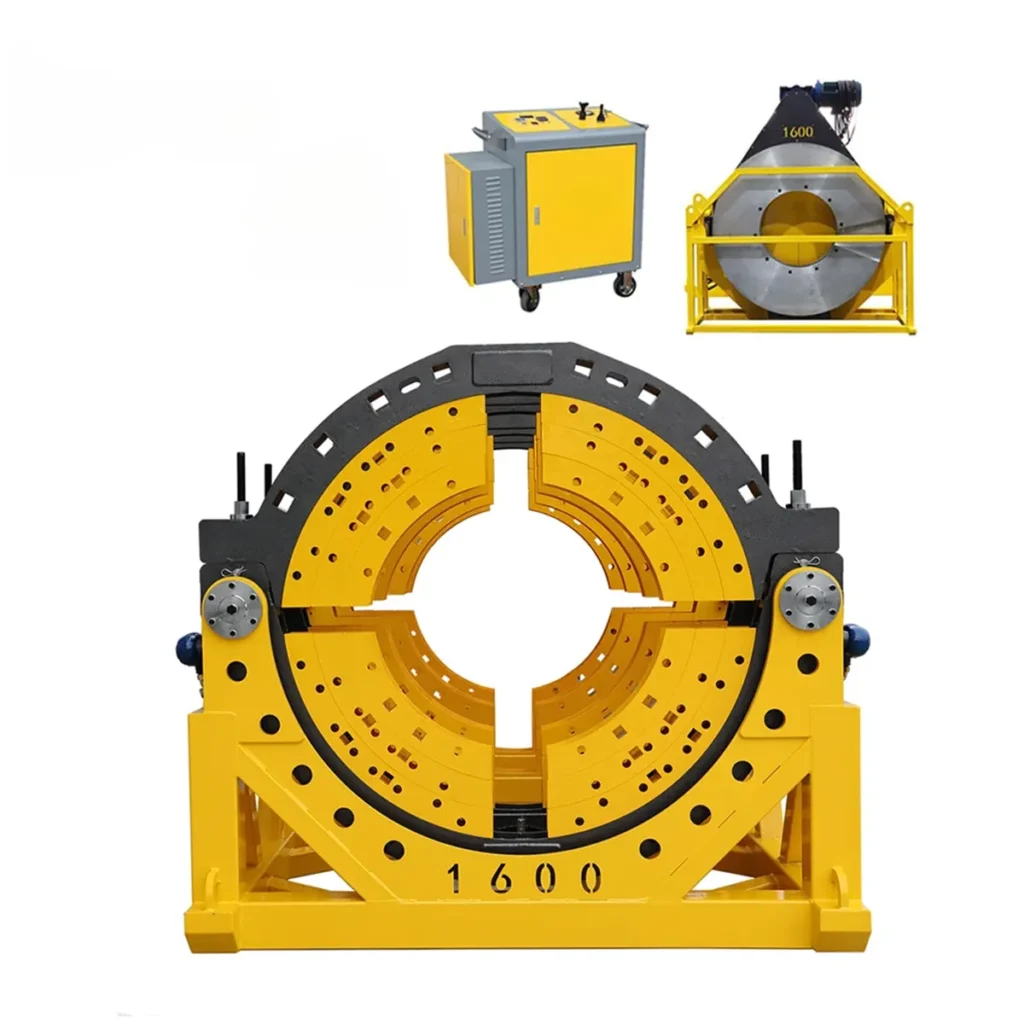
Plastic pipe welding is a critical capability for Brazil’s expanding infrastructure — from urban water networks and gas distribution to large-scale irrigation and mining pipelines. Reliable butt fusion welders deliver consistent, leak-free joints that stand up to Brazil’s varied climates and demanding industrial conditions. For customers seeking dependable equipment and global manufacturing expertise, JQ-Fusion offers a wide range of manual, hydraulic, and CNC automatic butt fusion machines tailored to project scale and site conditions. Visit https://jq-fusionwelding.com/ for product details and support options.
Why Butt Fusion Welders Are Ideal for Brazilian Projects
Durability and leak resistance: Butt fusion produces homogeneous joints that eliminate flanges or adhesives, reducing long-term failure risk in water, gas, and sewage systems.
Adaptability: Machines range from compact manual units for remote rural worksites to high-precision CNC automatic systems for large urban or industrial installations.
Climate performance: HDPE and PP pipelines welded correctly resist corrosion and chemical attack, an advantage in coastal, humid, or tropical inland regions.
Types of Machines and When to Use Them
Manual Butt Fusion Machines — Ideal for small-diameter pipes, tight budgets, and remote job sites. Simple to operate and transportable for rural water and irrigation projects.
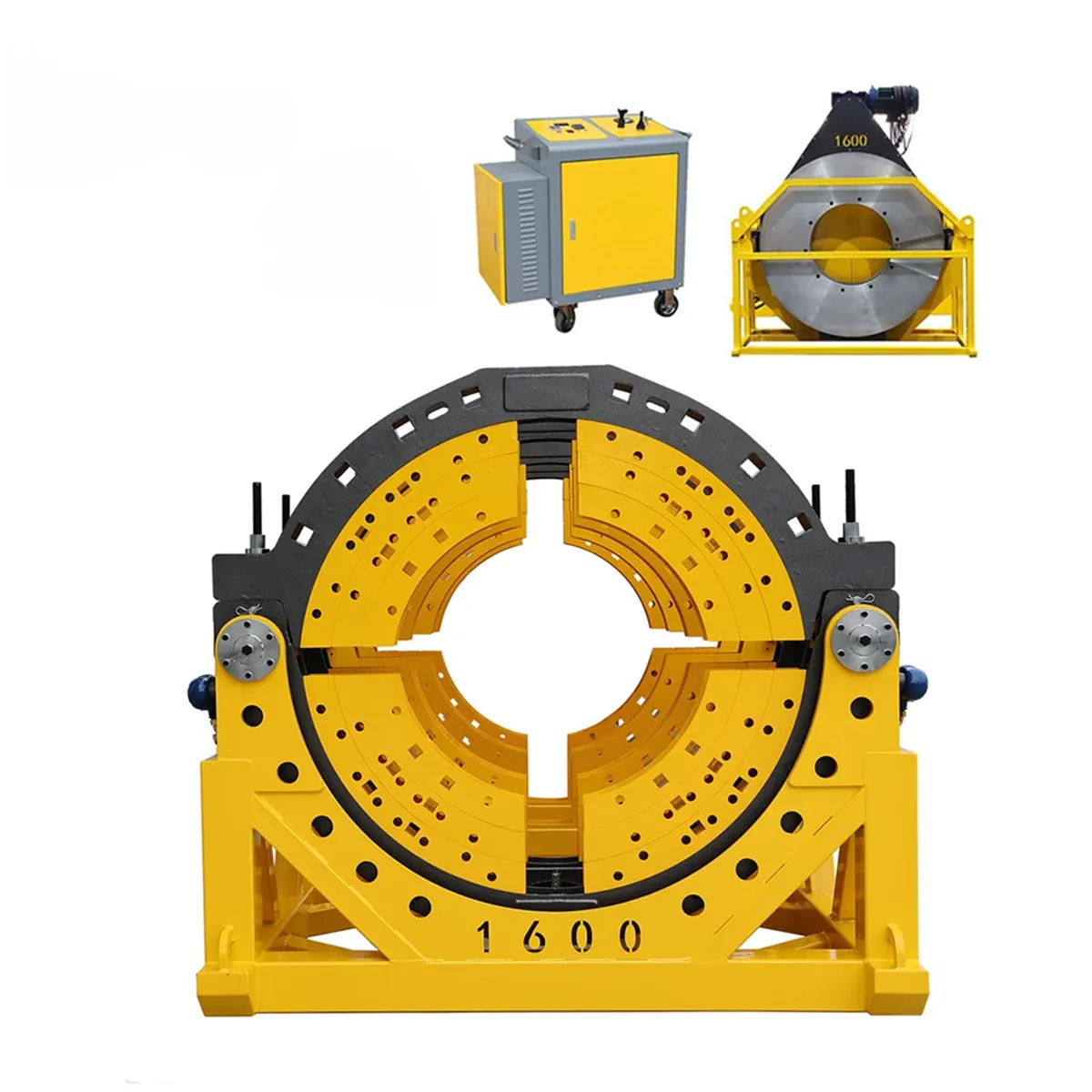
Hydraulic Butt Fusion Machines — Provide higher clamping force and stability for medium to large diameters used in municipal water mains and industrial pipelines.
CNC Automatic Butt Fusion Machines — Offer repeatable, recorded weld cycles and precise control for large-diameter trunk lines, gas networks, and critical industrial installations.
Key Models & Typical Specifications
| Model | Pipe Diameter Range | Automation | Best For |
|---|---|---|---|
| JQH1600 | Ø160 – Ø1600 mm | Hydraulic | Large municipal/industrial mains |
| JQA250 | Ø20 – Ø250 mm | CNC Automatic | Precision urban networks |
| JQSY-2M | Ø20 – Ø160 mm | Manual | Rural water & irrigation |
| JQMA450 | Fittings up to Ø450 mm | Multi-angle | Complex fittings & factory work |
| JQH2250 | Ø500 – Ø2250 mm | Hydraulic | Large trunk lines and industrial projects |
| JQA630 | Ø20 – Ø630 mm | CNC Automatic | High-volume municipal installations |
Selecting the Right Machine for Brazilian Conditions
Regulatory compliance: Ensure materials and welding procedures meet Brazilian norms (ABNT) and any sector-specific certifications (INMETRO, pipeline operator requirements).
Site logistics: Consider transport to remote areas (Amazon, interior Northeast), availability of trained technicians, and access for large hydraulic units.
Environmental factors: Plan for rainy season interruptions, high humidity, and temperature variations when scheduling outdoor welds to maintain process quality.
Installation, Training & After-Sales Considerations
Operator training: Proper training on heating cycles, alignment, and cleaning is essential to achieve repeatable weld quality and reduce rework.
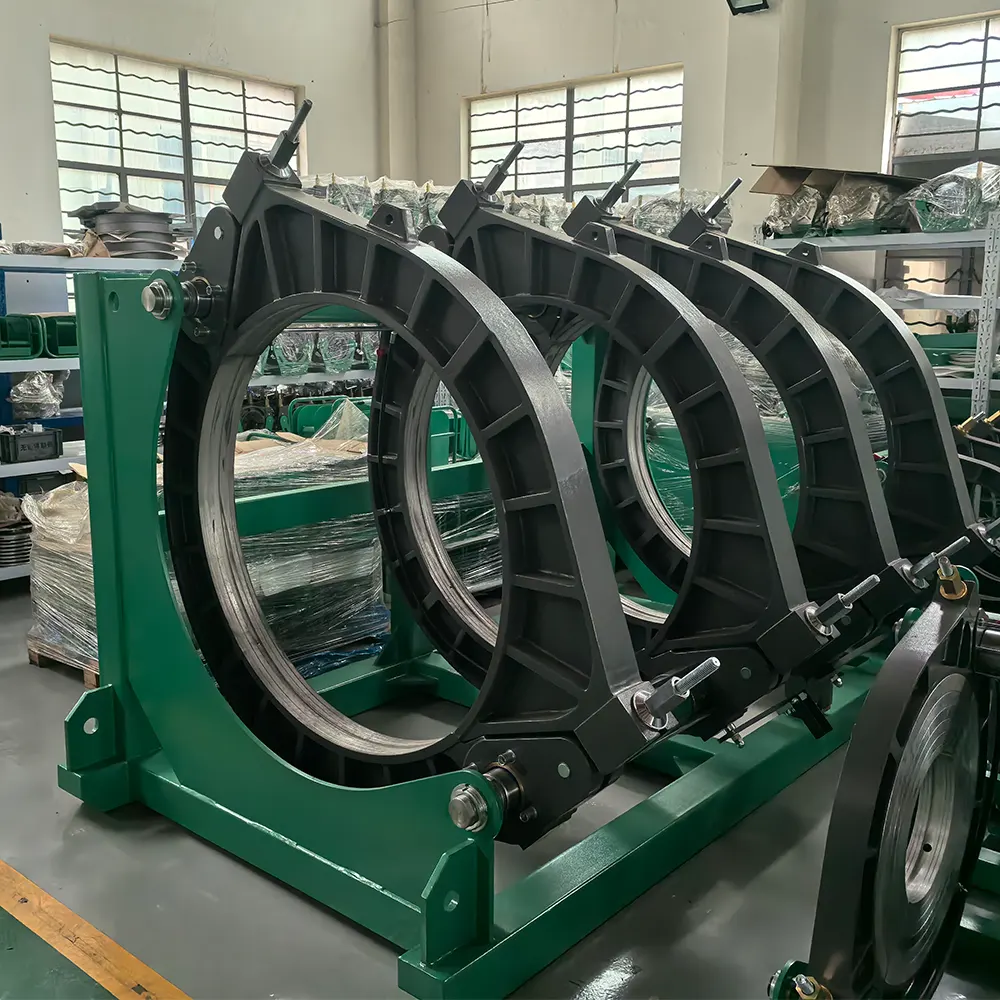
Spare parts and consumables: Keep critical spares (heating plates, scrapers, clamps) on hand and establish a supply plan for remote project sites.
Local support & logistics: Factor in customs, import duties (ICMS/IPI in some cases), and the benefit of regional distributors or service partners for rapid response.
Maintenance Tips to Maximize Machine Life
Clean heating plates after each use — prevent material buildup to maintain even heating and reduce scrap welds.
Regular hydraulic checks — monitor fluid levels and seals on hydraulic units to prevent downtime on large projects.
Calibration and verification — periodically verify temperature sensors and pressure gauges, especially before major pipeline weld campaigns.
Typical Applications Across Brazil
Urban water & sewer: Cities such as São Paulo, Rio de Janeiro and Brasília use welded HDPE for distribution and stormwater management where corrosion resistance is needed.
Irrigation & agriculture: The semi-arid Northeast and Central-West regions benefit from portable manual machines for drip and sprinkler networks.
Mining & industrial pipelines: Minas Gerais, Pará and other mining states require heavy-duty hydraulic and CNC equipment for slurry lines, process piping and tailings systems.
Gas distribution & energy projects: Precision welding and certified procedures are essential for safe natural gas networks serving urban and industrial customers.
Next Steps: Requesting a Quote and Local Support
For tailored recommendations, technical datasheets, and pricing for Brazilian project needs, request a detailed quote through the manufacturer website. Include pipe material, diameters, expected daily weld count, and site access details to receive the most accurate proposal and logistics plan.



