
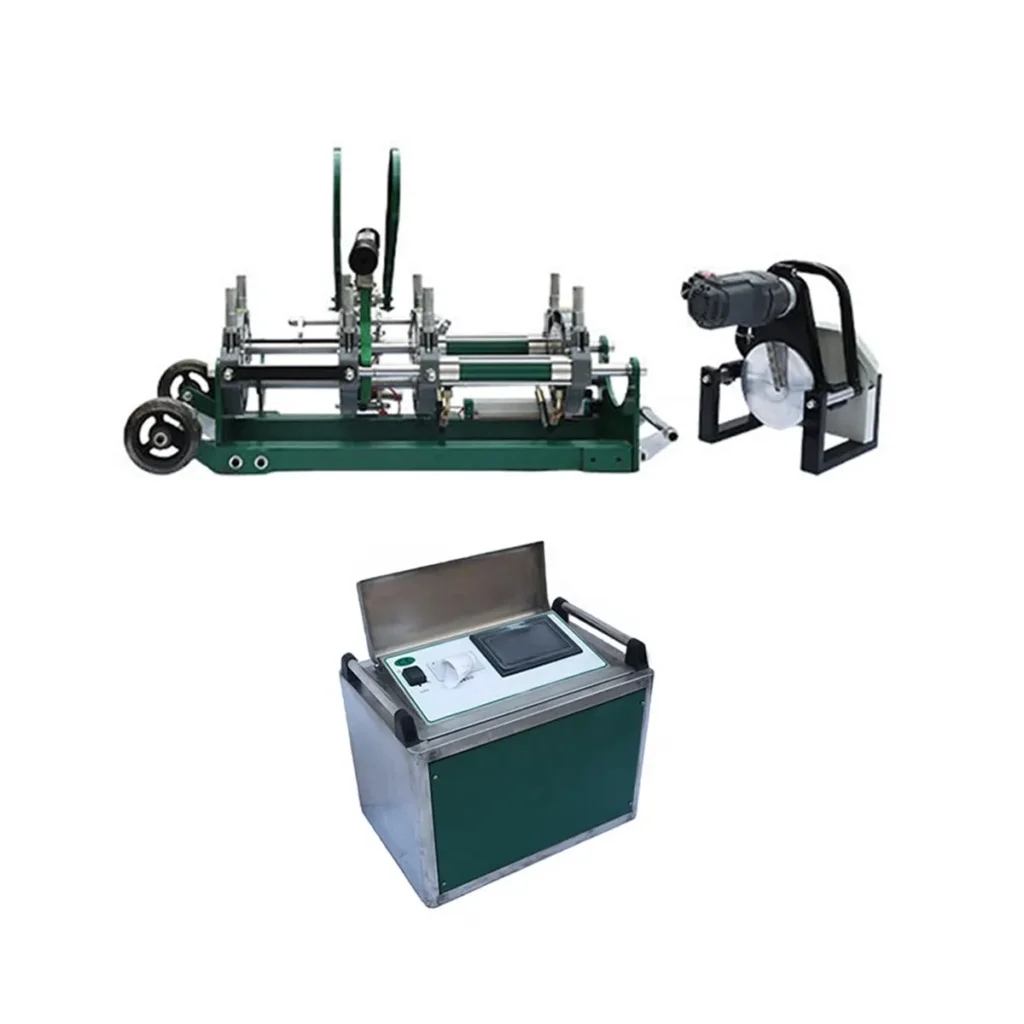
Upgrading a pipeline welding equipment control system is a strategic move that improves weld quality, reduces downtime, and boosts operator safety. This guide outlines practical upgrade solutions for butt fusion and automated welding rigs, helping project managers and maintenance teams plan an efficient modernization that delivers measurable ROI.
Why Upgrade Your Welding Control System
Accuracy, repeatability, and traceability are the top drivers for control system upgrades. Modern control stacks provide digital logging, closed-loop pressure/temperature control, and user-friendly interfaces that reduce operator error and ensure consistent joint integrity across long pipeline runs.
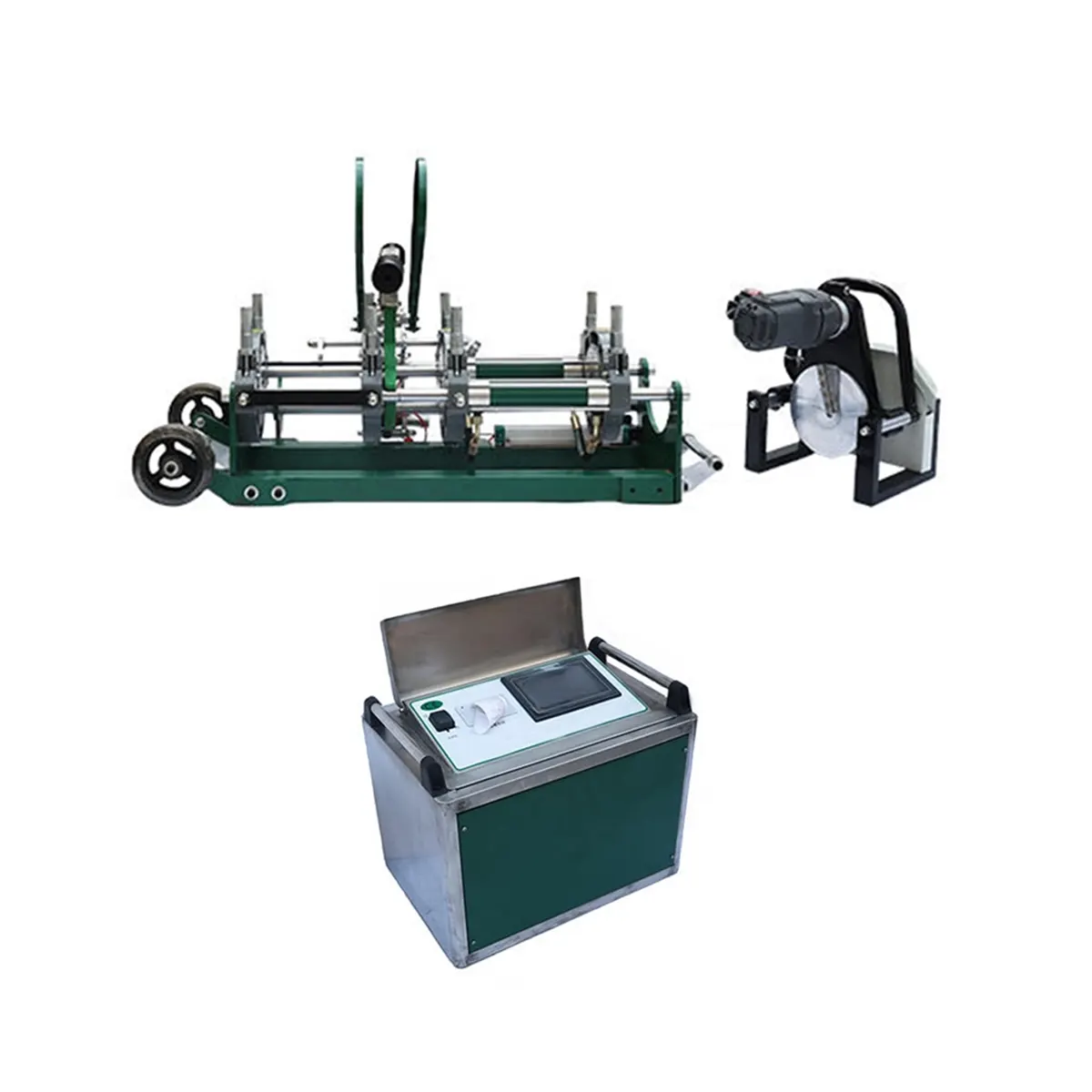
Key Benefits at a Glance
- Higher first-pass yield with precise heat and pressure control
- Faster setup and fewer manual adjustments
- Improved data capture for quality assurance and regulatory compliance
- Remote diagnostics and faster troubleshooting to cut downtime
Core Components to Consider for Upgrade
Upgrades should focus on both hardware and software layers. Typical upgrade items include programmable logic controllers (PLCs), human-machine interfaces (HMIs), sensors (temperature, pressure, displacement), actuators, and communications modules (Ethernet, 4G/5G, or LoRa for remote sites).
Hardware Upgrades
Replace aging analog controllers with a modular PLC platform and add high-accuracy sensors. Consider digital pressure transducers and thermocouples with calibration certificates. For hydraulic butt fusion machines, servo-driven pumps and proportional valves enable finer control of ram speed and force.
Software & Interface Improvements
Modern HMI software offers guided weld procedures, multi-language support, and touchscreen operation tailored for field crews. Integrating welding sequence management, recipe storage, and automatic report generation significantly reduces paperwork and improves consistency.
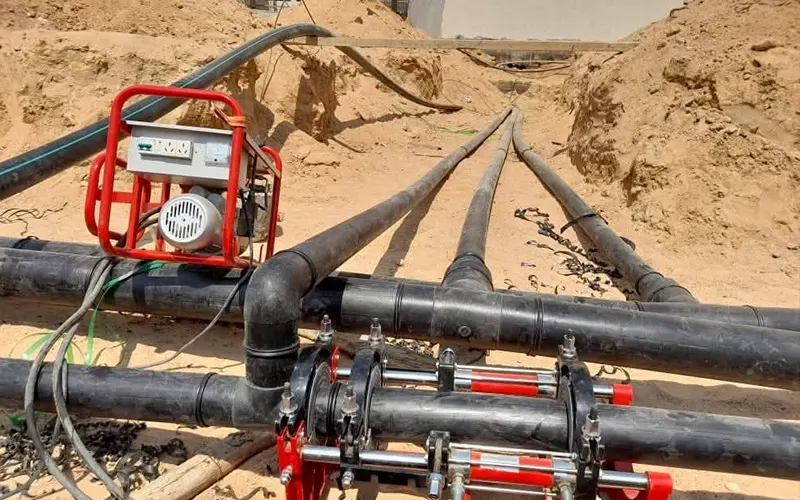
Retrofit Solutions for Field Conditions
For contractors working in remote or harsh environments, select ruggedized enclosures and sealed connectors, and prioritize low-power, battery-ready components. Modular retrofit kits can minimize downtime: they allow swapping control racks while keeping clamping and heating subsystems intact.
Performance & Safety Metrics Table
| Metric | Before Upgrade | After Upgrade |
|---|---|---|
| Weld cycle time | 60–90 min | 30–50 min |
| First-pass success rate | ~85% | >97% |
| Data capture / joint | Manual sheets | Digital logs & certificates |
| Maintenance response time | Hours–Days | Minutes–Hours (remote diagnostics) |
Implementation Roadmap
Step 1 — Assessment: Audit existing machines, control cabinets, wiring, and environmental constraints. Map current weld procedures and regulatory requirements.
Step 2 — Design: Define upgrade scope: full controller replacement, HMI refresh, sensor additions, or partial retrofit. Document parts list and integration plan.
Step 3 — Pilot: Install one upgraded unit for field trials. Capture process metrics, operator feedback, and real weld logs.
Step 4 — Rollout: Use lessons from the pilot to standardize the retrofit kit and train crews. Roll out in waves to minimize operational impact.
Integration & Training
Plan for operator training on the new HMI and troubleshooting workflows. Include quick-reference cards and on-machine recipe menus. Remote support access and firmware version control will help maintain consistency across the fleet.
Budgeting & Return on Investment
While the initial investment varies with scope, many operators see payback within a single large-scale project due to reduced rework, faster cycle times, and lower downtime. Use the table above to estimate savings from improved cycle times and success rates.
Final Practical Tips
Start with components that give the biggest measurables: sensors and data logging. Keep mechanical interfaces unchanged where possible to reduce fitment issues, and choose open communication protocols for easier integration with site management systems.
For turnkey butt fusion and welding machine upgrade kits, contact JQ-Fusion for tailored solutions and field-proven retrofit strategies.



